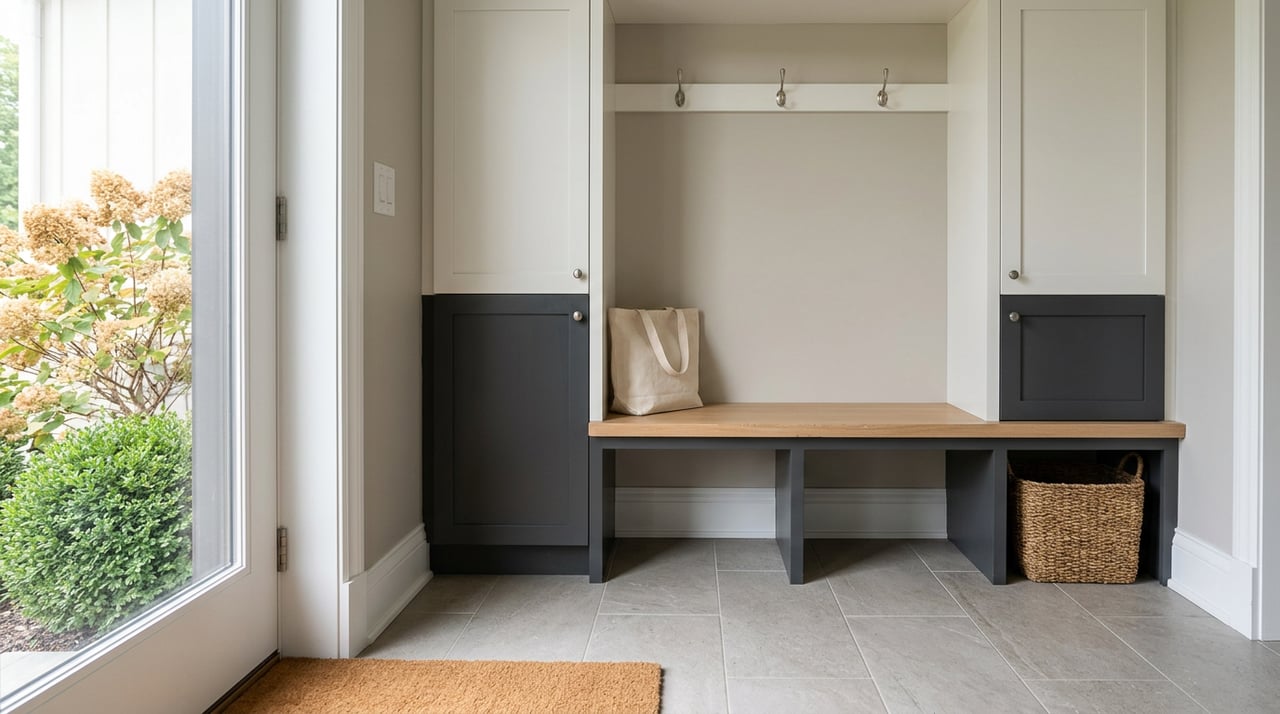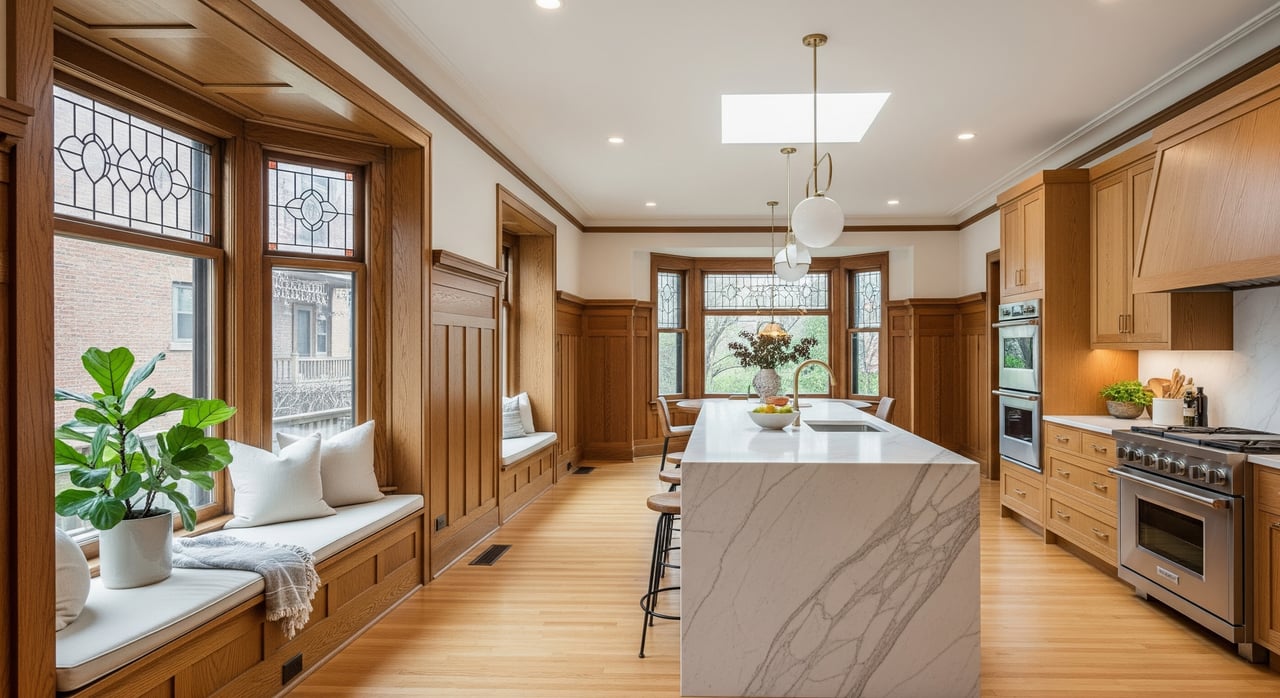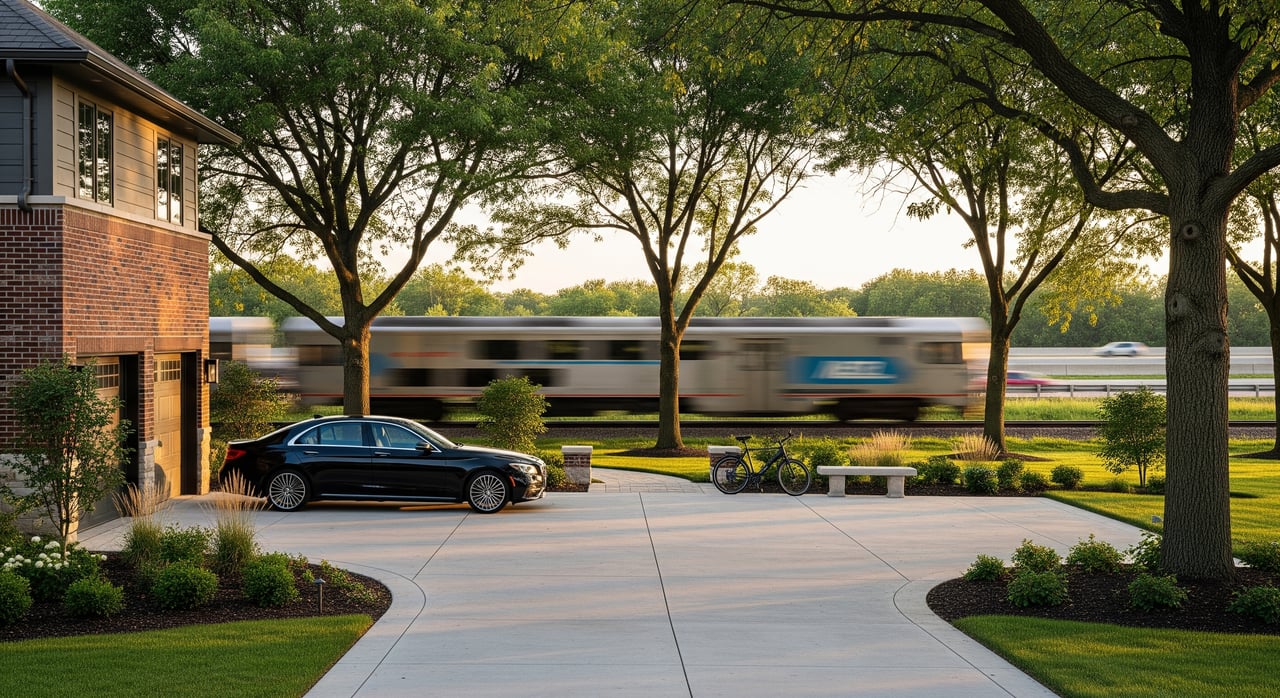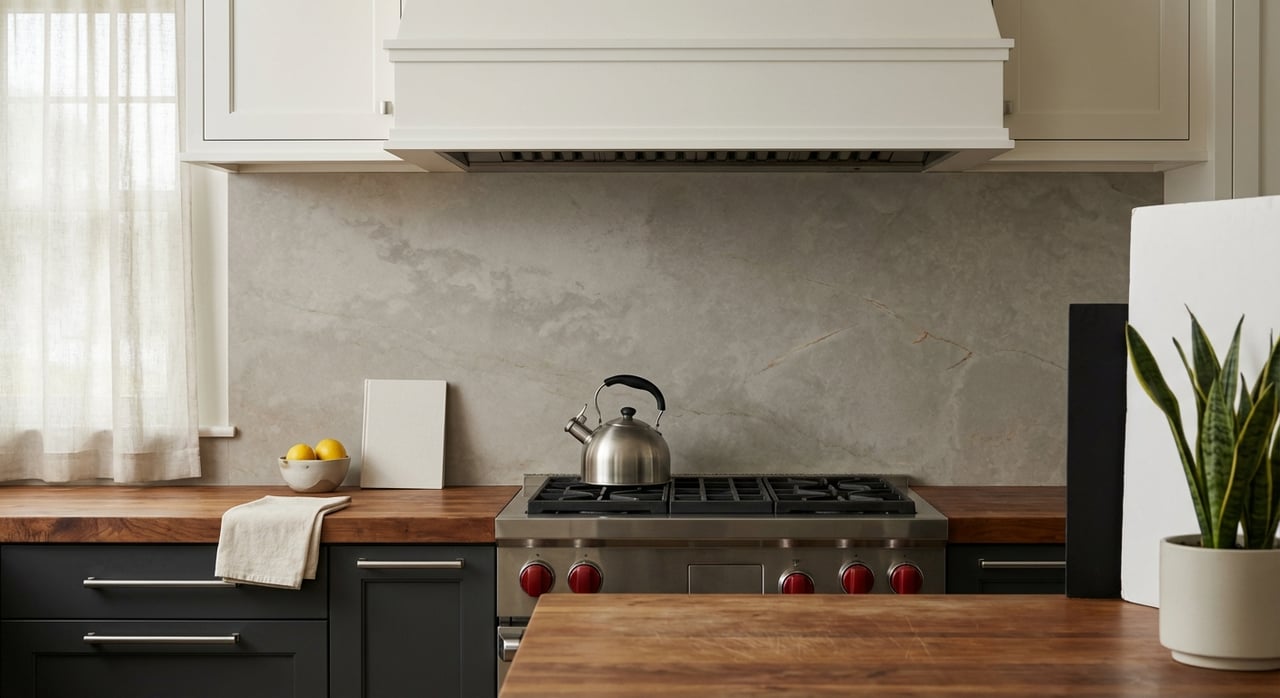
Thinking about selling your Orland Park home this year? You want a smooth sale, a strong price, and a clear plan that cuts out guesswork. With the right list price and a focused prep plan, you can attract more buyers in the first two weeks and protect your bottom line. This guide walks you through the local market, a step-by-step pricing strategy, what to fix before you list, and the key costs to expect. Let’s dive in.
Orland Park market at a glance
Public trackers show Orland Park’s median sale price in the high $300Ks, with recent figures often reported around the upper $370Ks to just under $400K. Days on market tend to land in the 4 to 8 week range, and overall conditions are “somewhat competitive,” which means some homes get multiple offers while many sell at a steady pace. Neighborhood and ZIP-level details matter, so homes in 60462 can perform differently from those in 60467. Treat these citywide numbers as a starting point and lean on a tight CMA for precision. For a quick snapshot, see the current Orland Park housing trends.
What this means for you:
- Price precision drives showings and offers.
- Condition and presentation matter more than in ultra-hot markets.
- Expect variation by subdivision and price tier.
Price your home with confidence
Build a tight CMA
Start with recent solds from the last 3 months where possible, then layer in active and pending listings for context. Online estimates can help frame the range, but a CMA built from fresh local comps is the backbone of your strategy. For unique homes, consider a pre-list appraisal. For practical rules on pricing, review Zillow’s guidance on how to price your home.
Choose the right search band
Buyers filter by price brackets. Pricing at $399,900 instead of $400,000 can place your listing in a lower search band and boost views. Call out updates and value drivers in your listing copy so the price makes sense to buyers browsing online. Zillow’s research supports the power of search-friendly price points and clear value messaging.
Pick a pricing tactic
- Market-right pricing: List within about 1–3 percent of fair market value to attract qualified buyers and reduce the need for cuts.
- Strategic underpricing: Listing just below market can spark more showings and competition, but it also increases appraisal risk. Use this move only when inventory and demand support it, and plan it with a local expert.
Win the first two weeks
Most buyer attention hits right after you go live. Track showings, saves, and online engagement closely for 7–14 days. If traffic is soft, adjust quickly. One clean price correction is better than a series of small cuts that make the listing look tired. See the first-week dynamics in Zillow’s seller pricing guide.
Compare offers beyond price
Look at the whole package: financing strength, appraisal terms, inspection requests, concessions, and timing. The highest number is not always the best net or the safest path to close.
Prep your Orland Park home: what matters most
Immediate, high-impact wins
- Declutter, deep clean, and depersonalize. Touch up paint in neutral tones. NAR research shows that clean, well-staged homes sell faster and can draw stronger offers. See the impact in NAR’s staging findings.
- Invest in professional photography and a floor plan or virtual tour. Buyers screen homes online first. Sharp photos and a clear layout earn more showings.
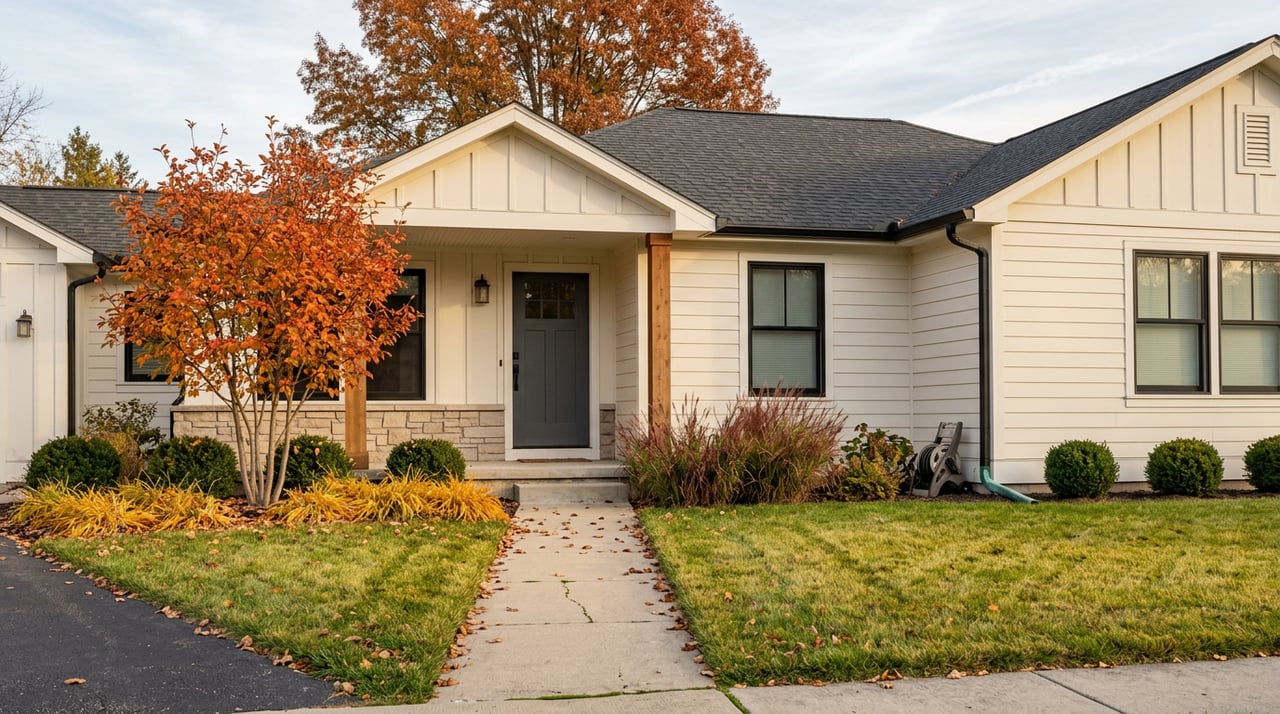
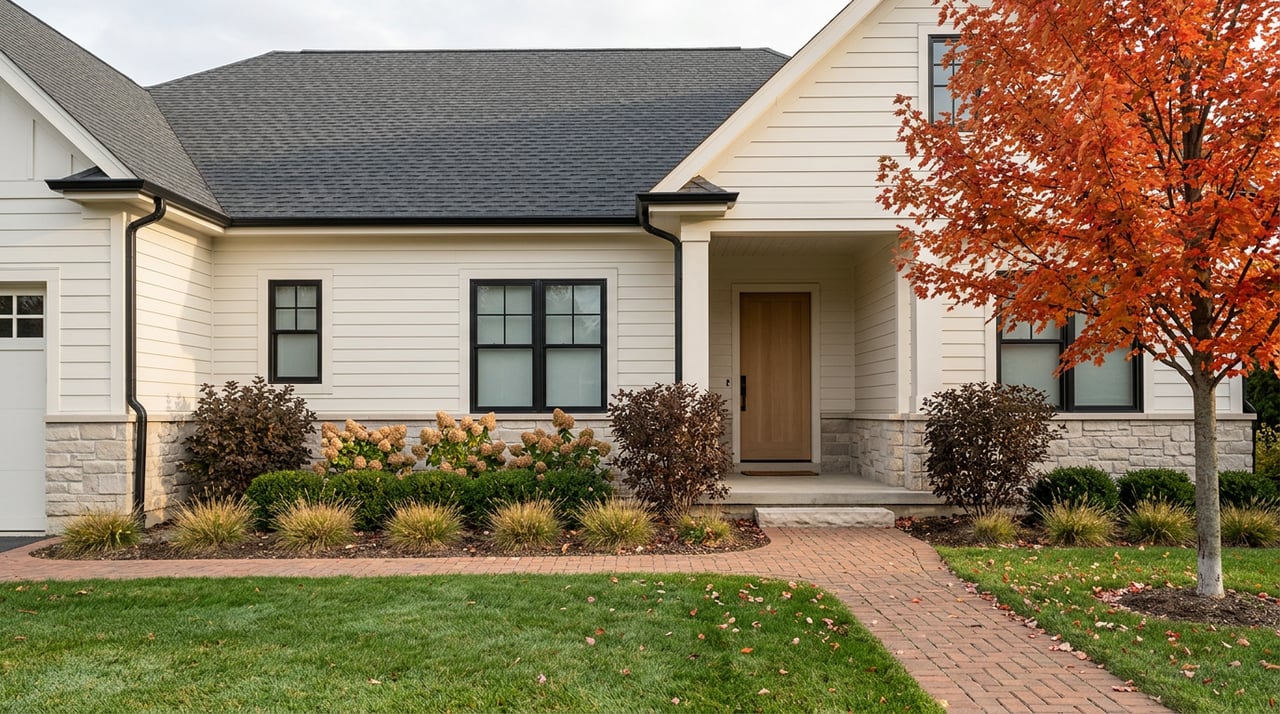
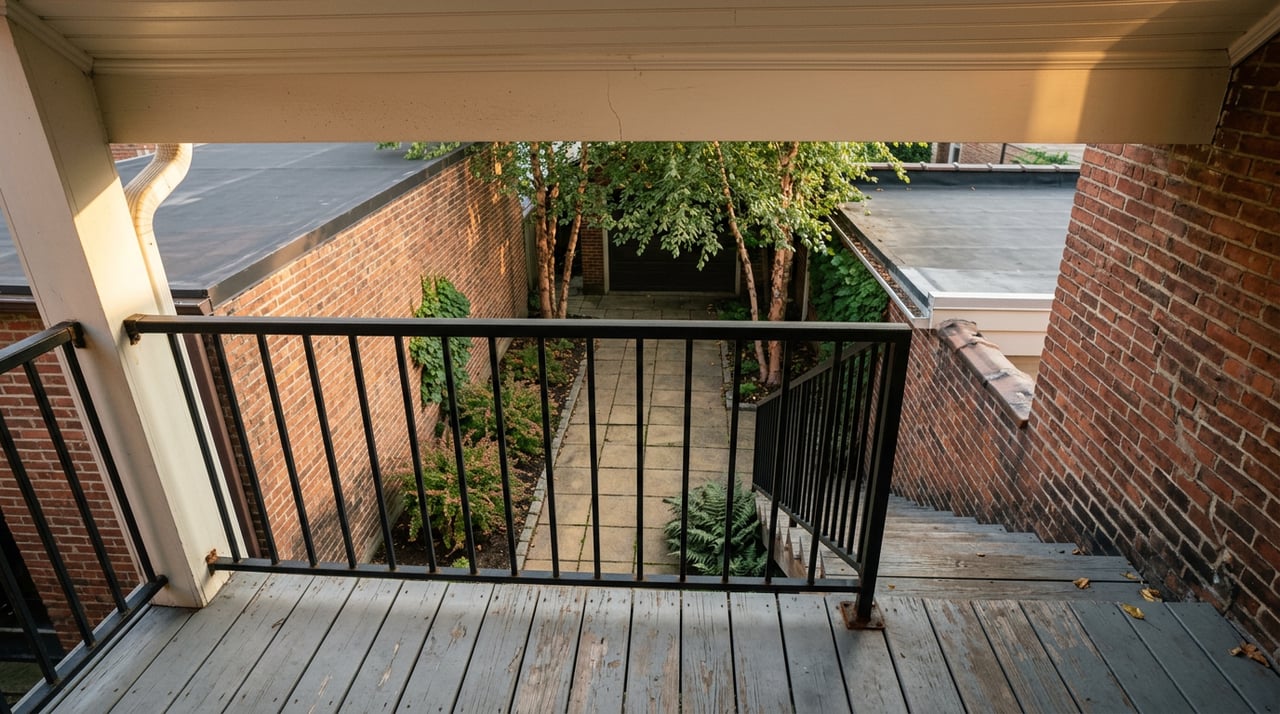
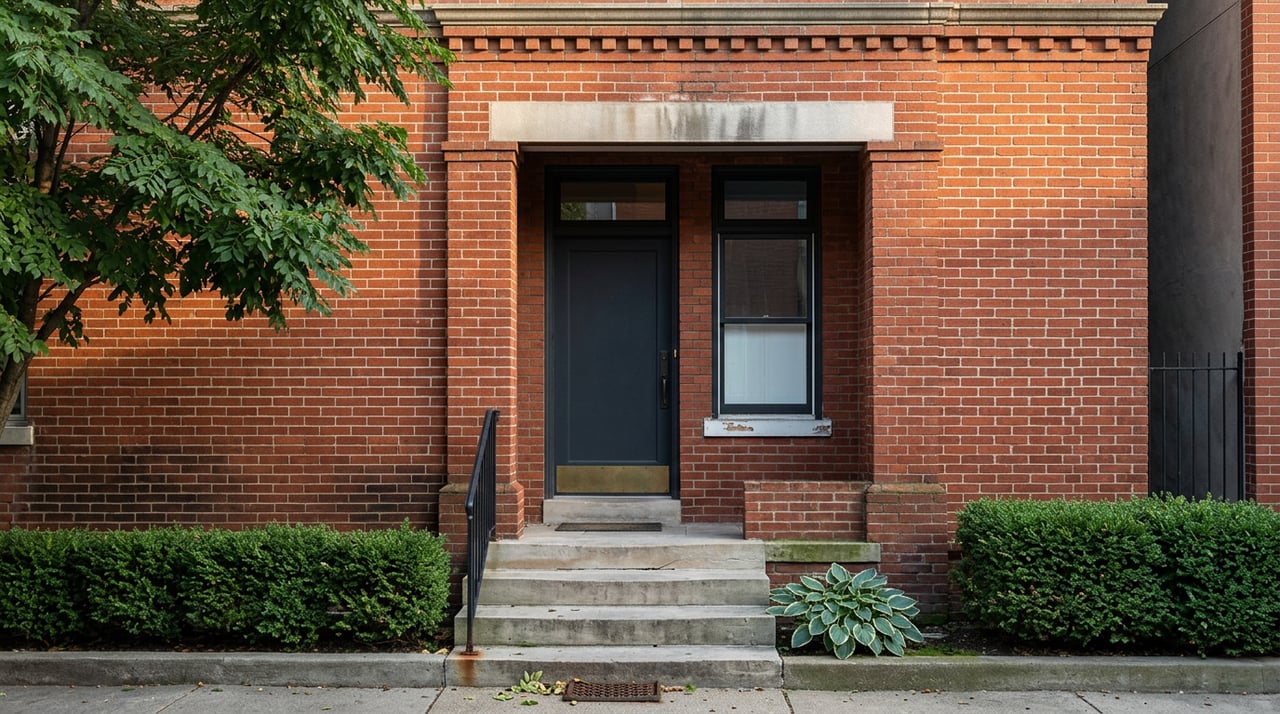
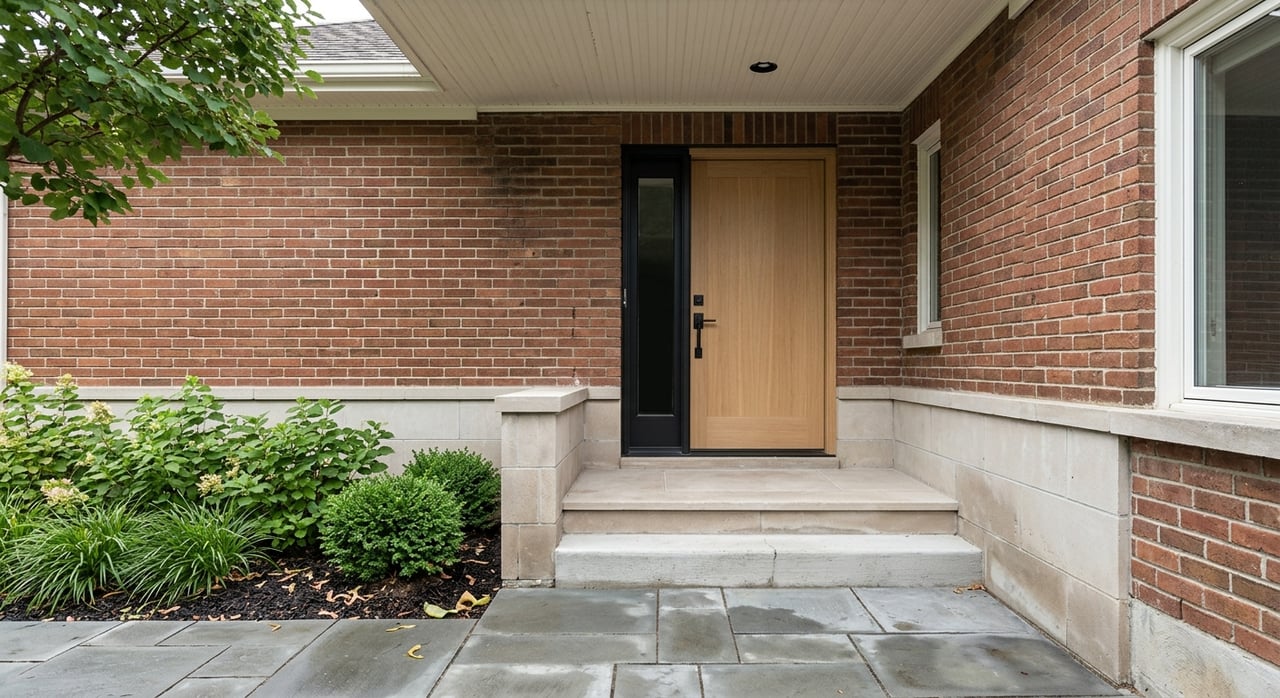
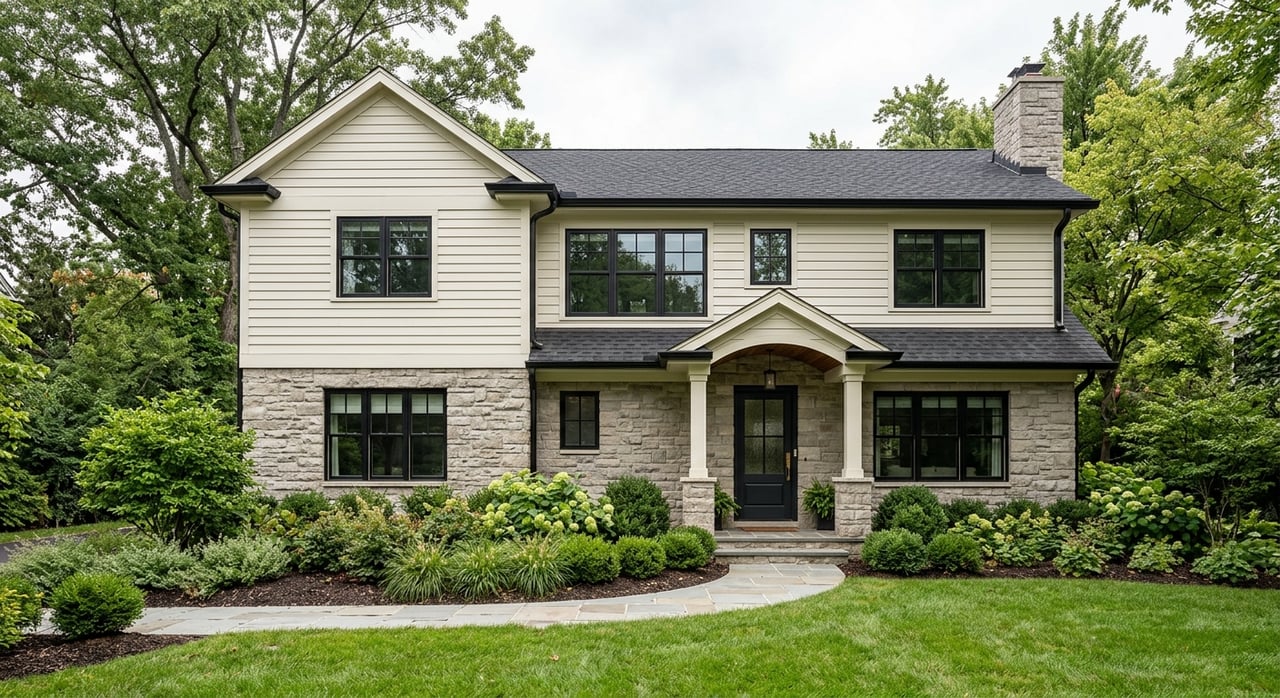
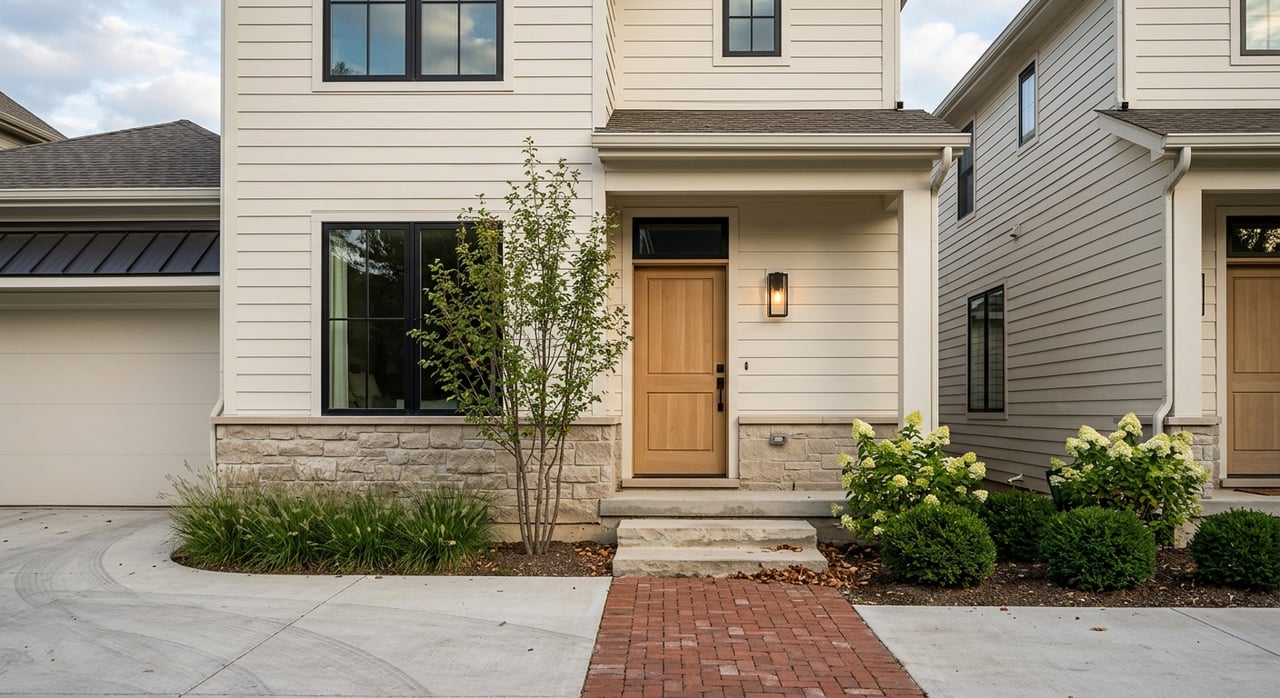
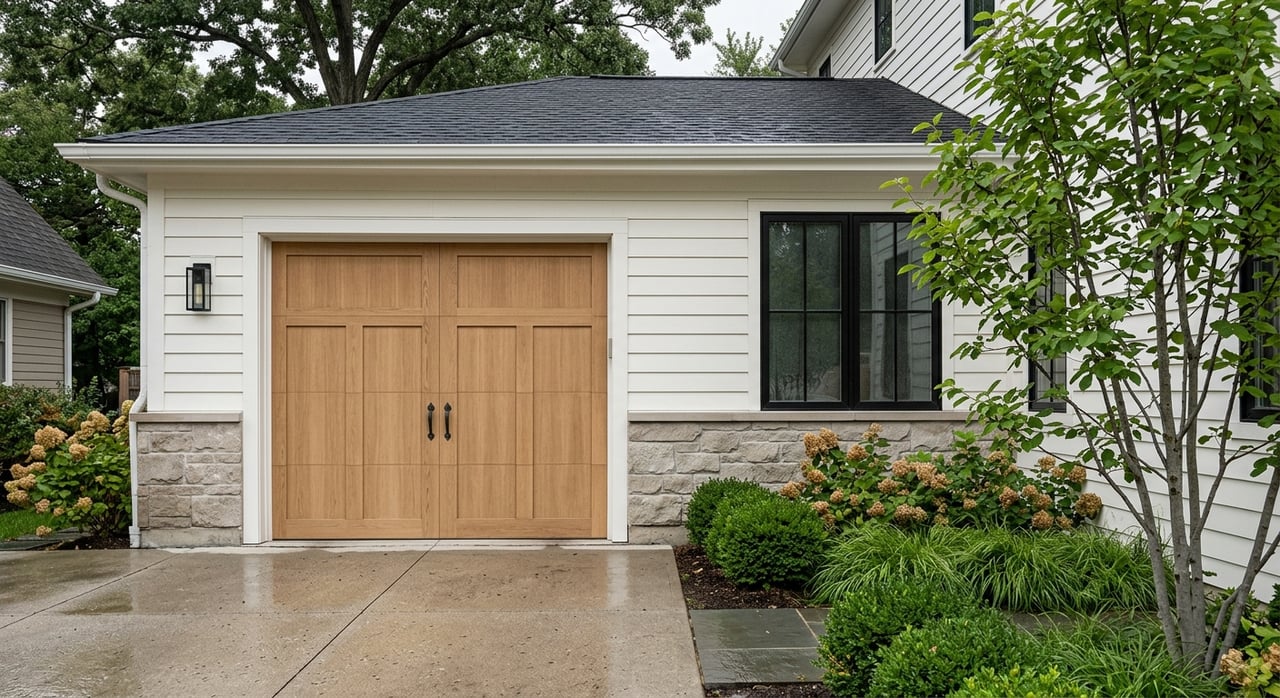
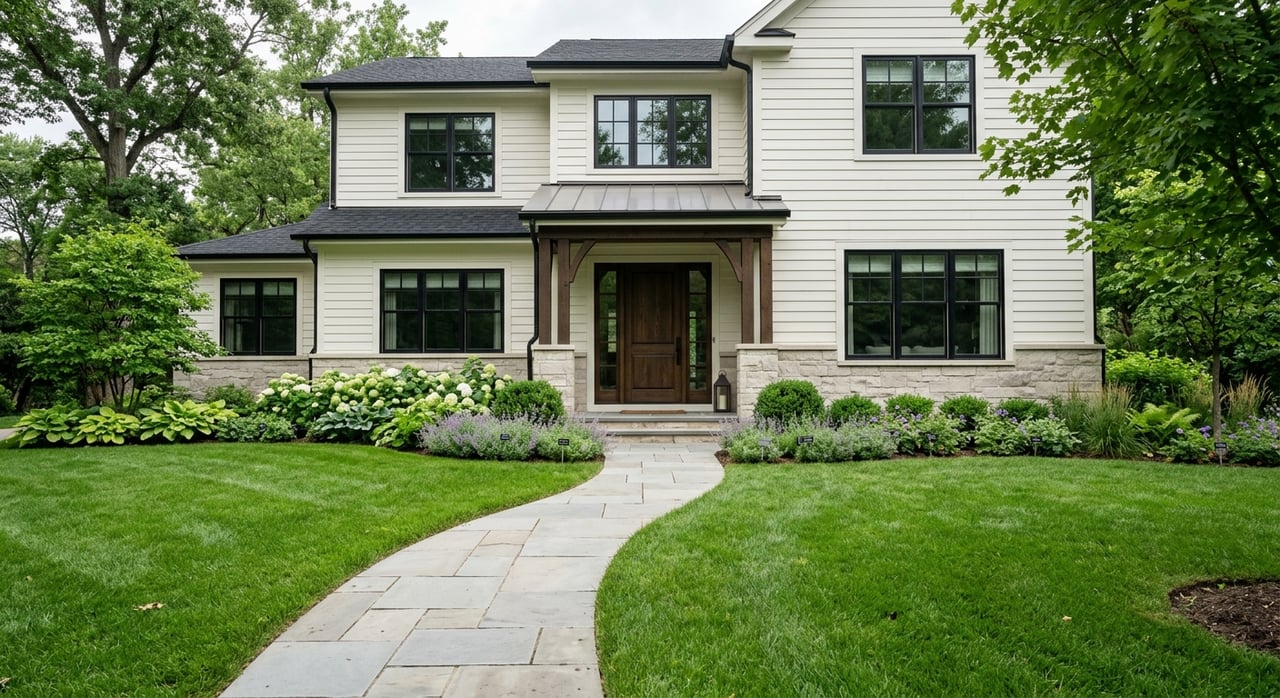
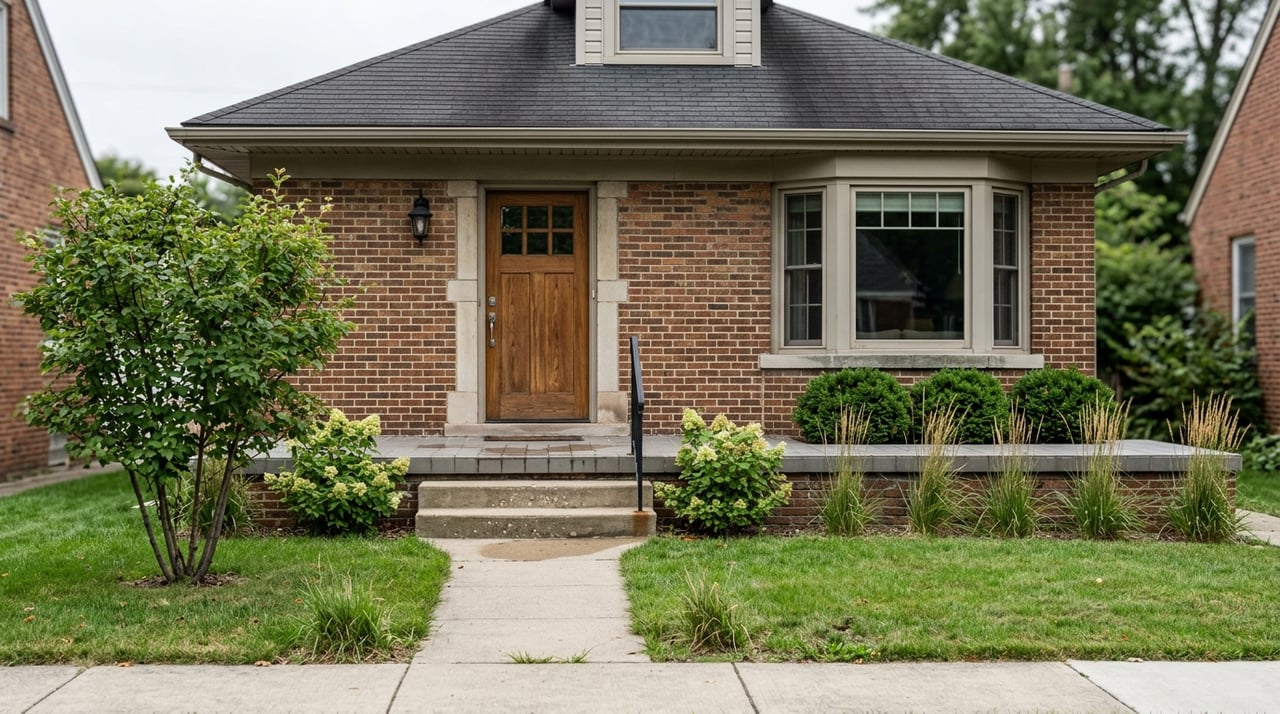
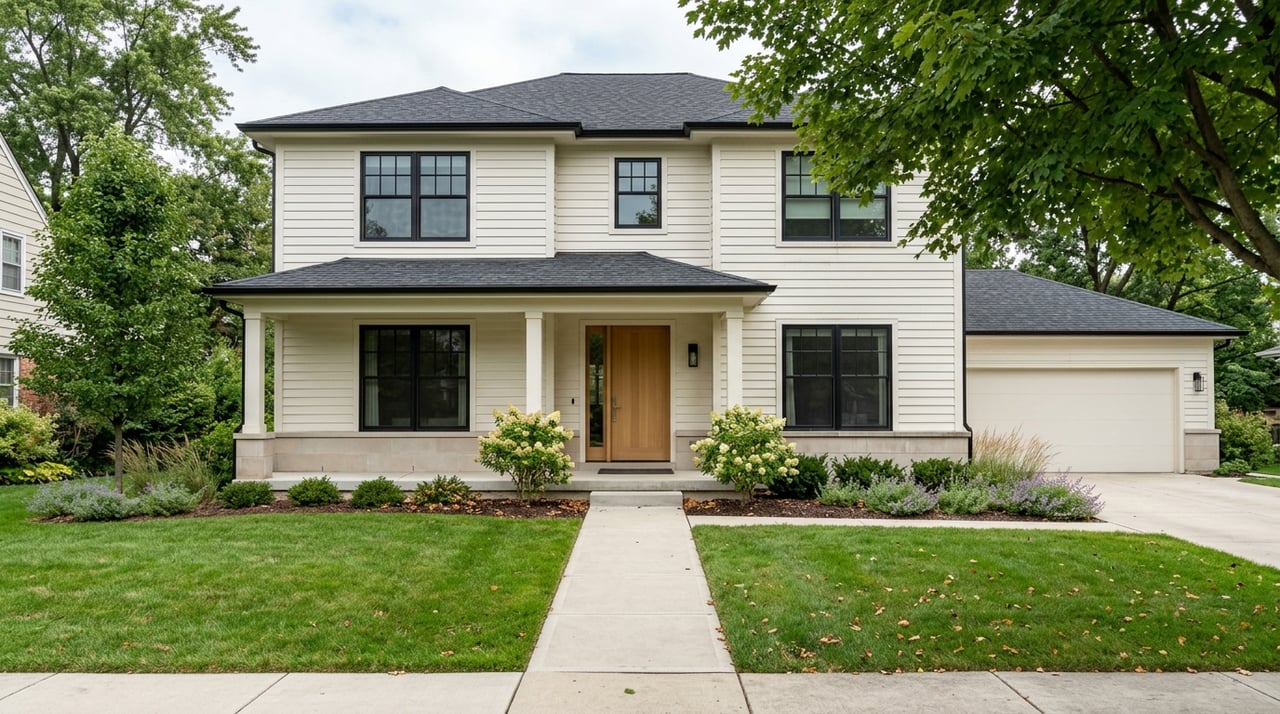
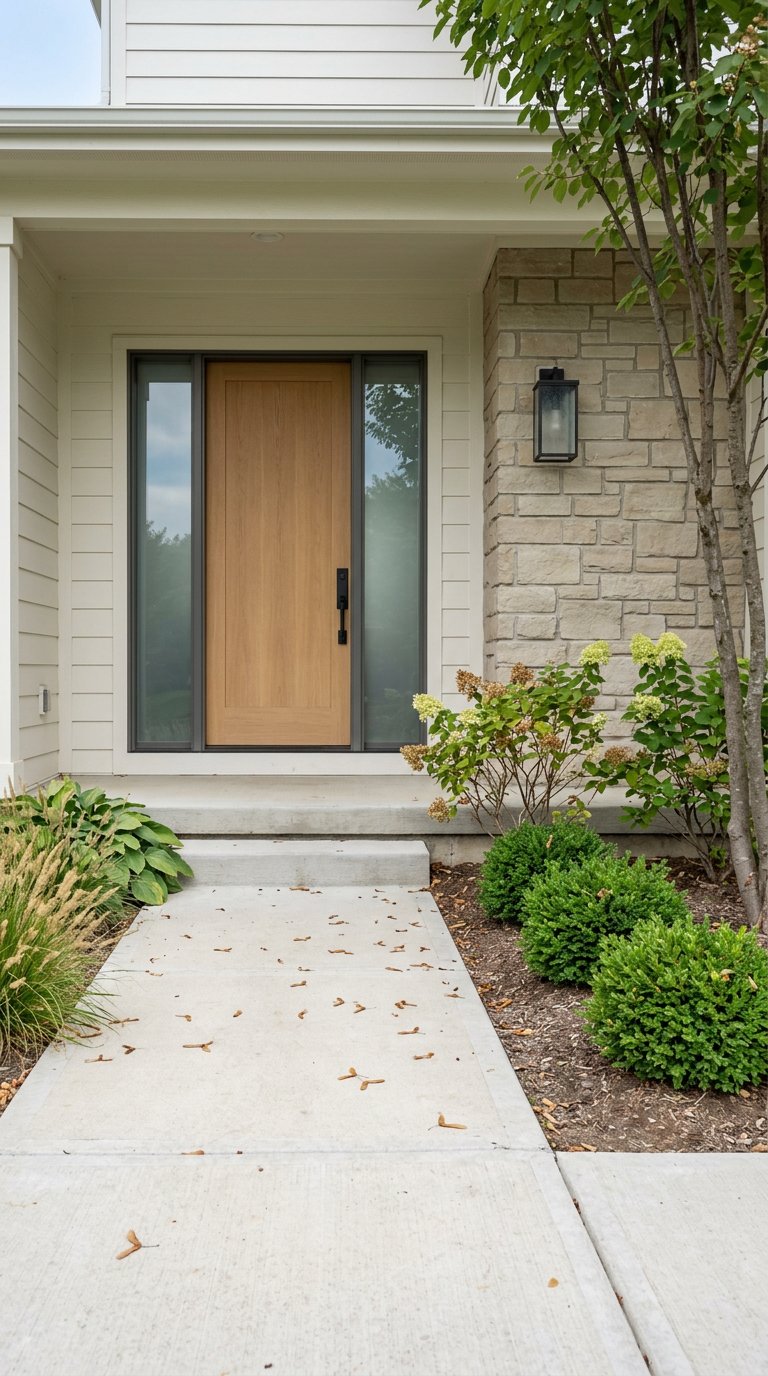
- Max curb appeal: trim shrubs, add fresh mulch, power wash, replace the welcome mat, and consider painting the front door. Exterior refreshes punch above their cost. Remodeling’s Cost vs. Value summaries show modest curb projects often deliver solid returns, as noted in this regional ROI overview.
Medium-impact updates that pay
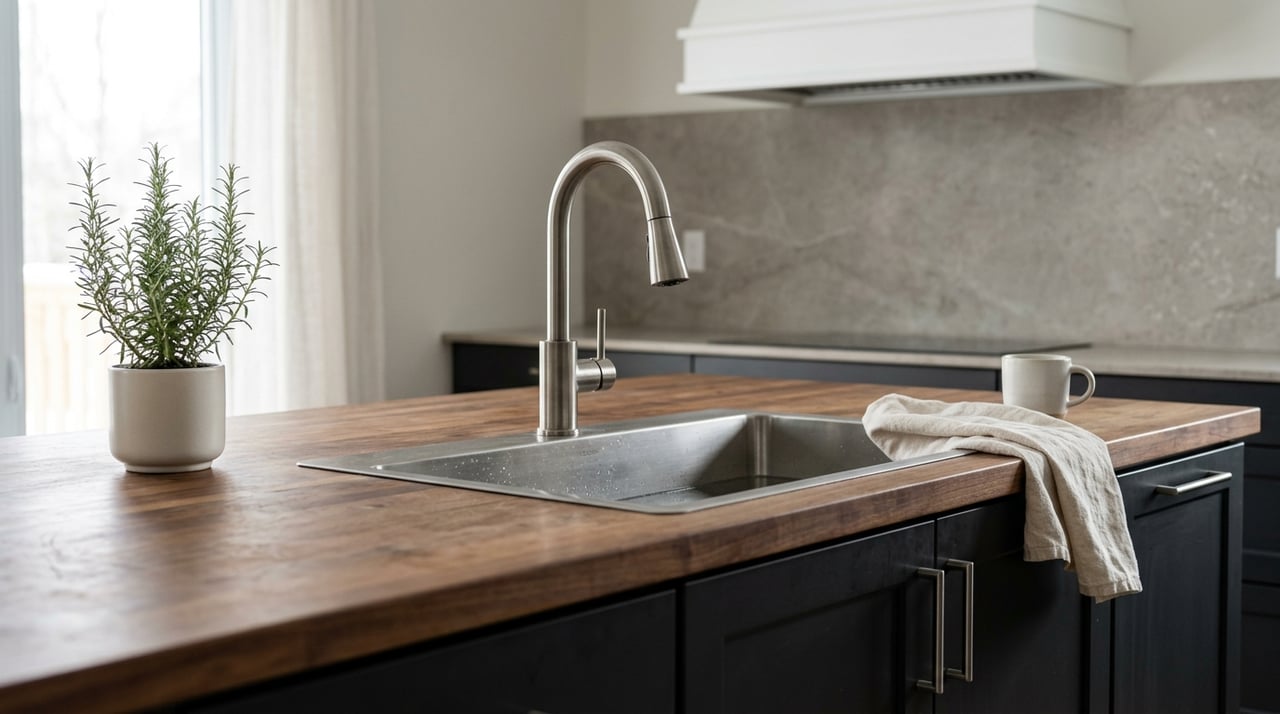
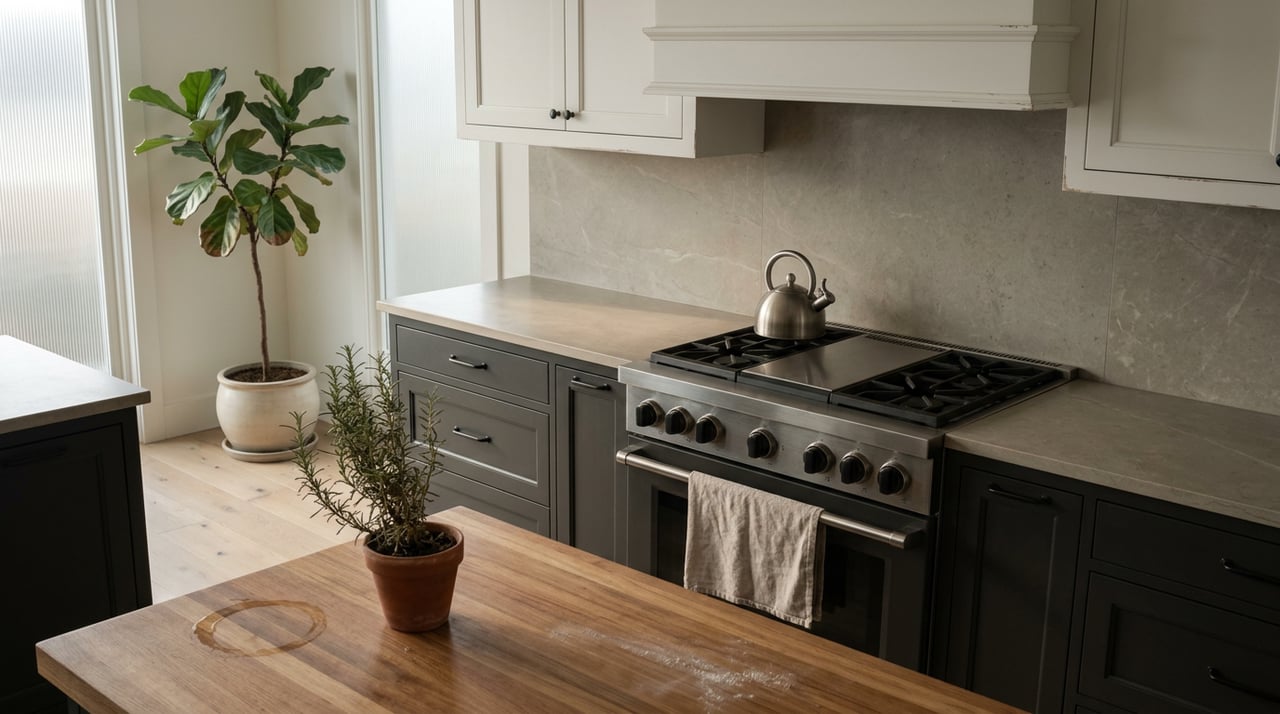
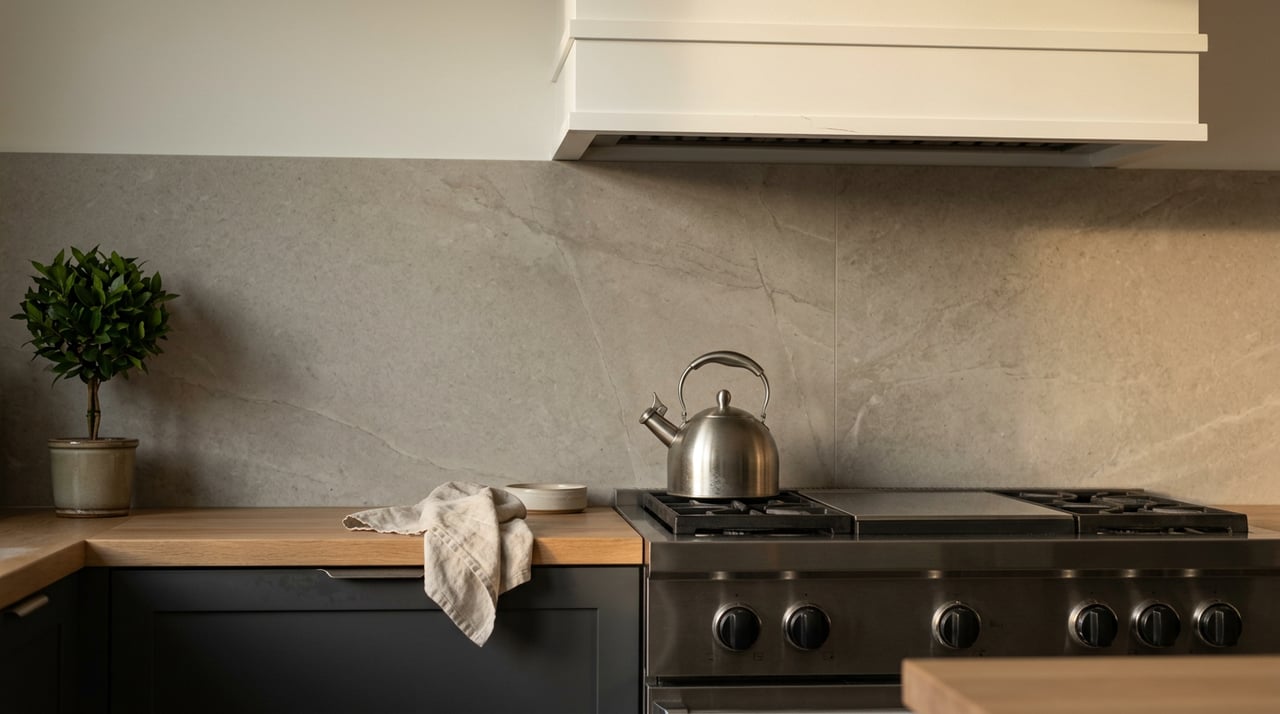
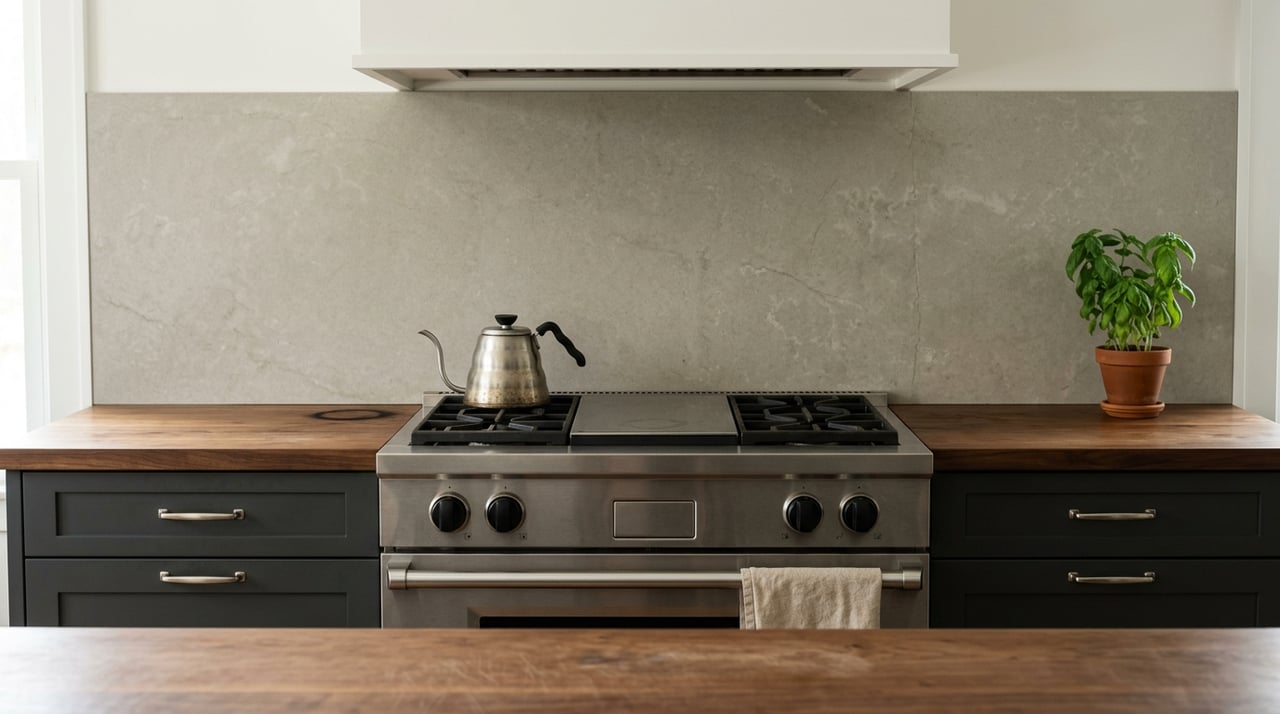
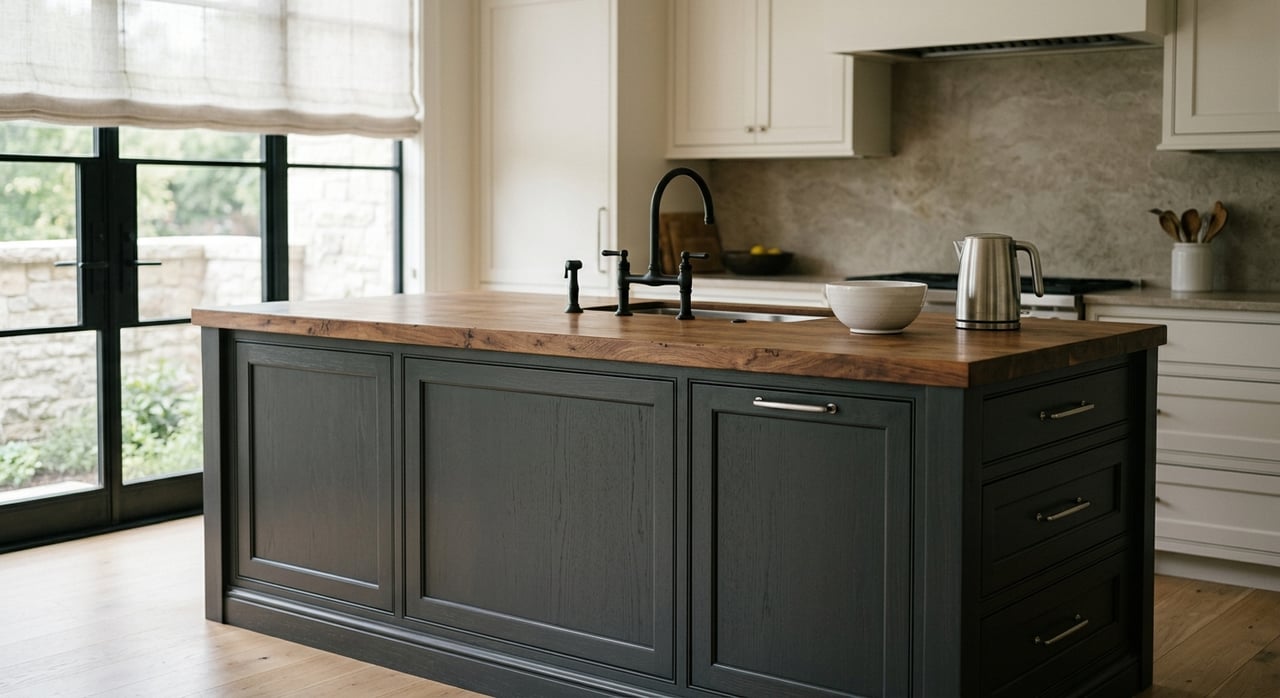
- Do a minor kitchen refresh: paint or refinish cabinets, swap dated hardware, update lighting, and consider practical countertop upgrades when it pencils. These changes lift perceived value without a full gut.
- Tackle obvious repair flags: service HVAC, fix leaks, address stains, and handle roof or gutter issues. A simple pre-list inspection can help you set priorities and prevent delays. Learn how it works in this pre-listing inspection guide.
Stage the rooms that sell
Staging the living room, kitchen, and primary bedroom helps buyers connect with the home. Many agents report staging reduces time on market and can increase offers. Keep furniture scaled to the room, use light textiles, and style surfaces with a light touch. See highlights in NAR’s latest staging research.
Permits and paperwork ready
Collect permits and final inspections for major work, additions, roof replacements, and key system upgrades. Unpermitted work can slow or derail a deal. Start by checking with the Village of Orland Park’s Development Services for records and guidance, and have receipts or warranties organized for buyers and title.
Consider a pre-list inspection
A pre-list inspection can surface issues early, help you decide what to fix, and reduce renegotiation risk. You can also choose to price around known defects or offer credits instead of last-minute repairs. See the seller use cases in this pre-listing inspection overview.
What not to over-upgrade
Avoid high-cost, highly personalized finishes that do not match the neighborhood. Focus on broad-appeal updates with stronger cost recovery, like minor kitchen work, fresh paint, tidy landscaping, and exterior refreshes. For perspective on resale ROI, skim this Cost vs. Value summary.
What sellers pay in Cook County
- Real estate commission: Full-service commissions in Illinois often land in the mid 5 percent range. That is typically the largest seller expense and is negotiated with your agent. For context, see Bankrate’s commission overview.
- Seller closing costs (excluding commission): Plan for roughly 1–3 percent of the sale price for title fees, owner’s title policy, recording, prorations, and related charges. Actual costs vary by deal.
- Transfer taxes: Illinois charges $0.50 per $500 of value and Cook County charges $0.25 per $500. On a $400,000 sale, the combined state and county transfer tax is about $600. Local practice usually places the state and county transfer tax on the seller. For filing logistics, Cook County uses the MyDec system. See practical details in this MyDec overview.
Tip: Ask your agent and title company for a net sheet early. It outlines line-item costs and your estimated proceeds so you can plan with confidence.
Required Illinois disclosures
Illinois law requires a Residential Real Property Disclosure Report before contract signing, and updates if new issues arise before closing. You must disclose known material defects. Review the statute in the Residential Real Property Disclosure Act, and ask your agent or attorney if you are unsure how to answer a question.
Your 6–8 week prep timeline
- Weeks 1–2: Order a CMA, choose your pricing window, book contractors, gather permits, warranties, and service records.
- Weeks 3–4: Finish paint and small repairs, refresh landscaping, stage priority rooms, and schedule pro photography and measurements.
- Weeks 5–6: Complete disclosures, consider a pre-list inspection, write your listing copy, and upload photos and tours.
- Go-live week: List midweek to capture weekend traffic, then monitor showings and online saves for 7–14 days.
- After launch: If activity is light, make a decisive price or marketing adjustment in week two.
Common seller mistakes to avoid
- Overpricing and waiting too long to adjust. Use a data-driven CMA, price to the market, and make changes quickly if traffic is slow. See pricing basics in Zillow’s guide.
- Skipping pro photos or staging. Listings live and die online. Pro imagery and light staging often reduce days on market, as shown in NAR’s staging research.
- Missing permits and records. Unpermitted work invites delays and credits. Check with Orland Park’s Development Services and gather your paperwork early.
- Ignoring inspection risk. A pre-list inspection helps you fix safety issues, set expectations, and keep the deal moving. Learn more in this inspection guide.
- Underestimating costs. Build in commission, closing fees, and transfer taxes. Use a net sheet so your proceeds match your plan. For commission context, see Bankrate’s overview.
Ready to price precisely and present your home at its best? Our local, full-service process handles staging, pro marketing, negotiation, and net-sheet planning so you can move with confidence. Reach out to Timothy Good to get your custom selling plan and a room-by-room prep checklist.
FAQs
How long does it take to sell a home in Orland Park right now?
- Public trackers often show a 4 to 8 week range for days on market, but timing depends on price, condition, and neighborhood.
What is the best way to set my list price in Orland Park?
- Start with a tight CMA, choose a search-friendly price band, and monitor engagement in the first 7–14 days so you can adjust if needed.
Which pre-list updates deliver the best ROI before selling?
- Focus on cleaning, paint, curb appeal, minor kitchen refreshes, and clear repair items; these have broad appeal and strong perceived value.
Do I need permits for past renovations before I list?
- You should confirm permits and final inspections for structural or major system work and organize records for buyers and title.
What seller costs should I expect in Cook County?
- Plan for a negotiated commission, roughly 1–3 percent in seller closing costs, and state plus county transfer taxes, which total about $600 on a $400,000 sale.