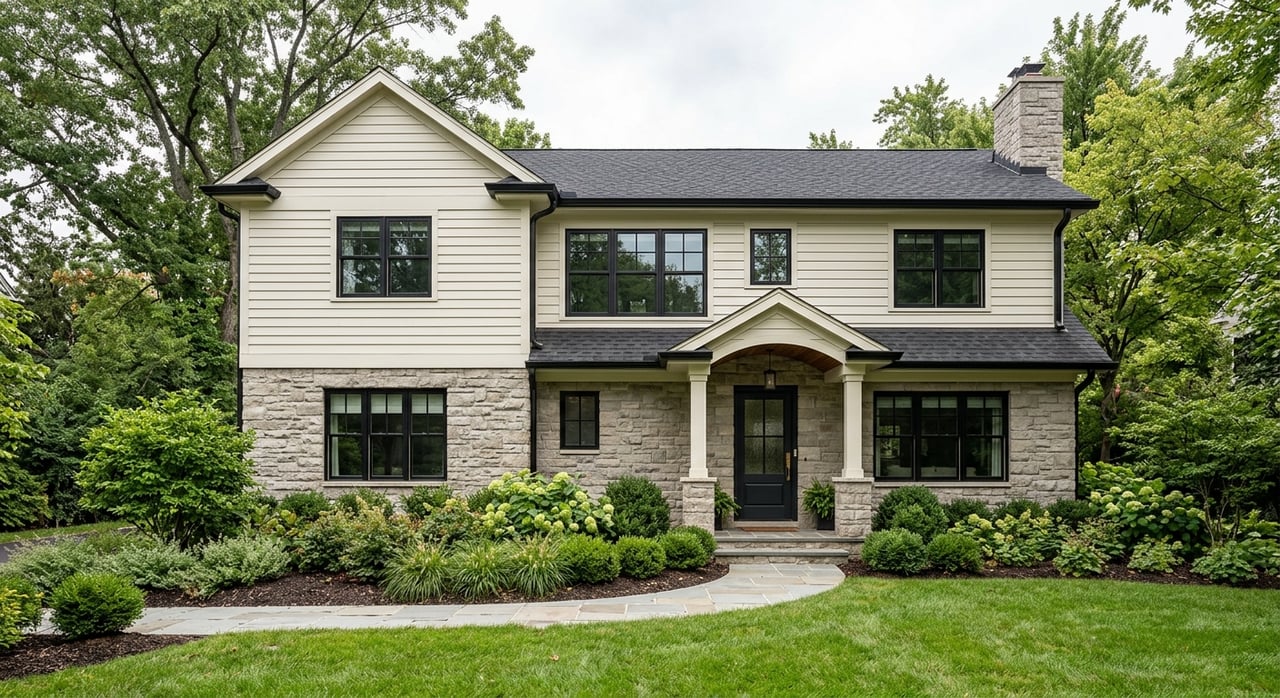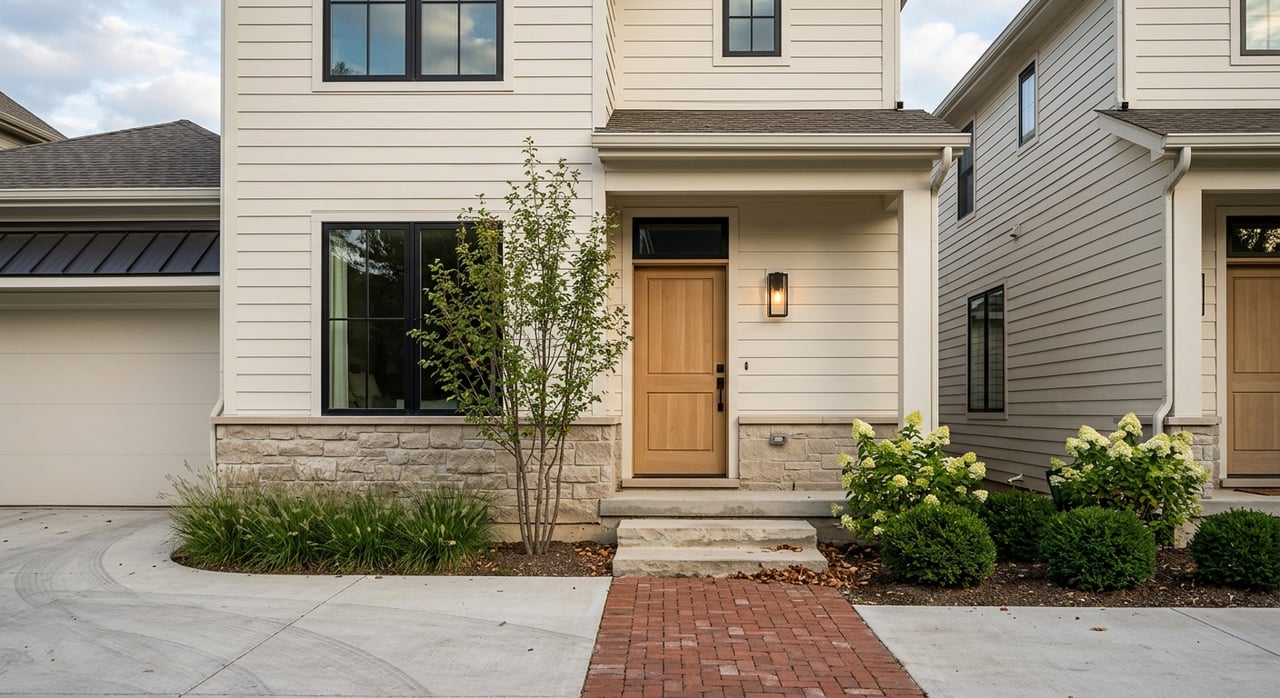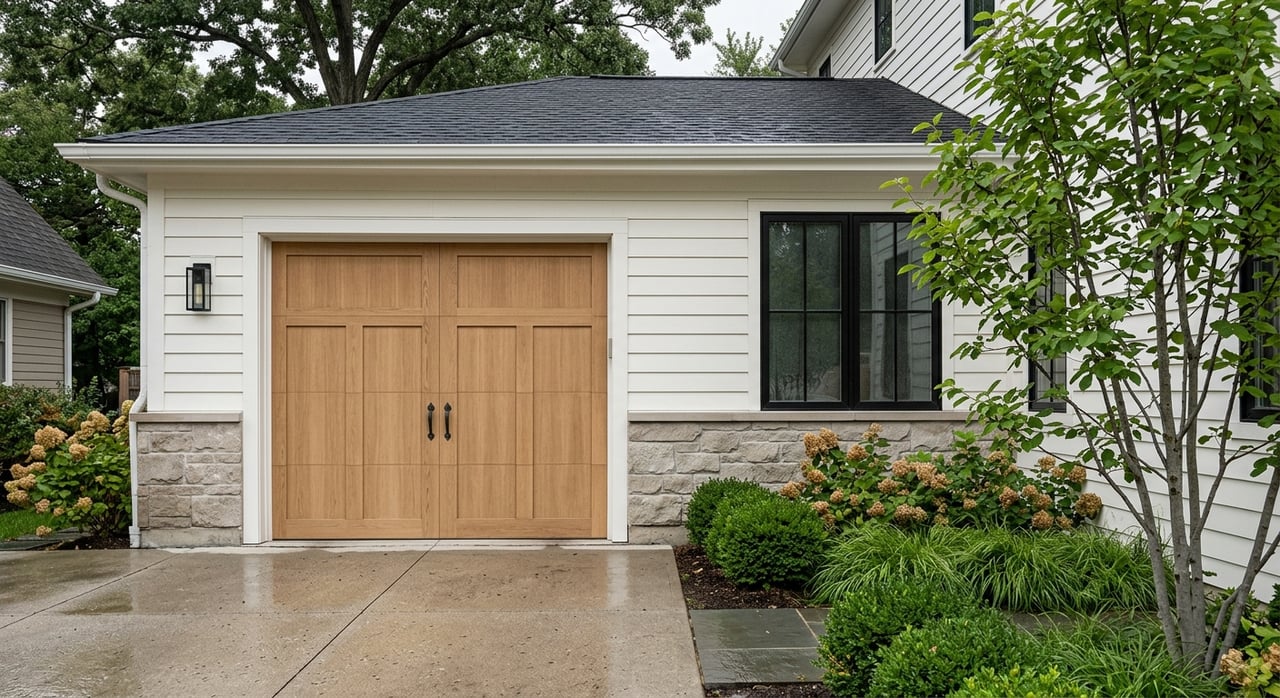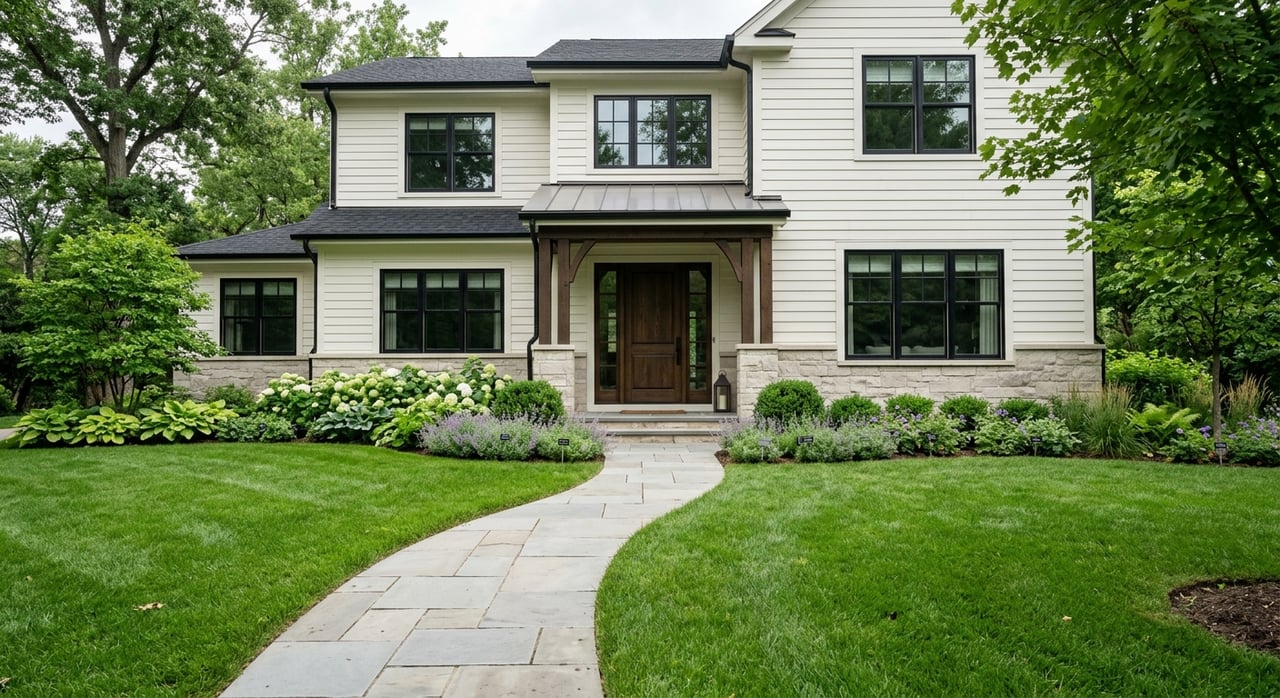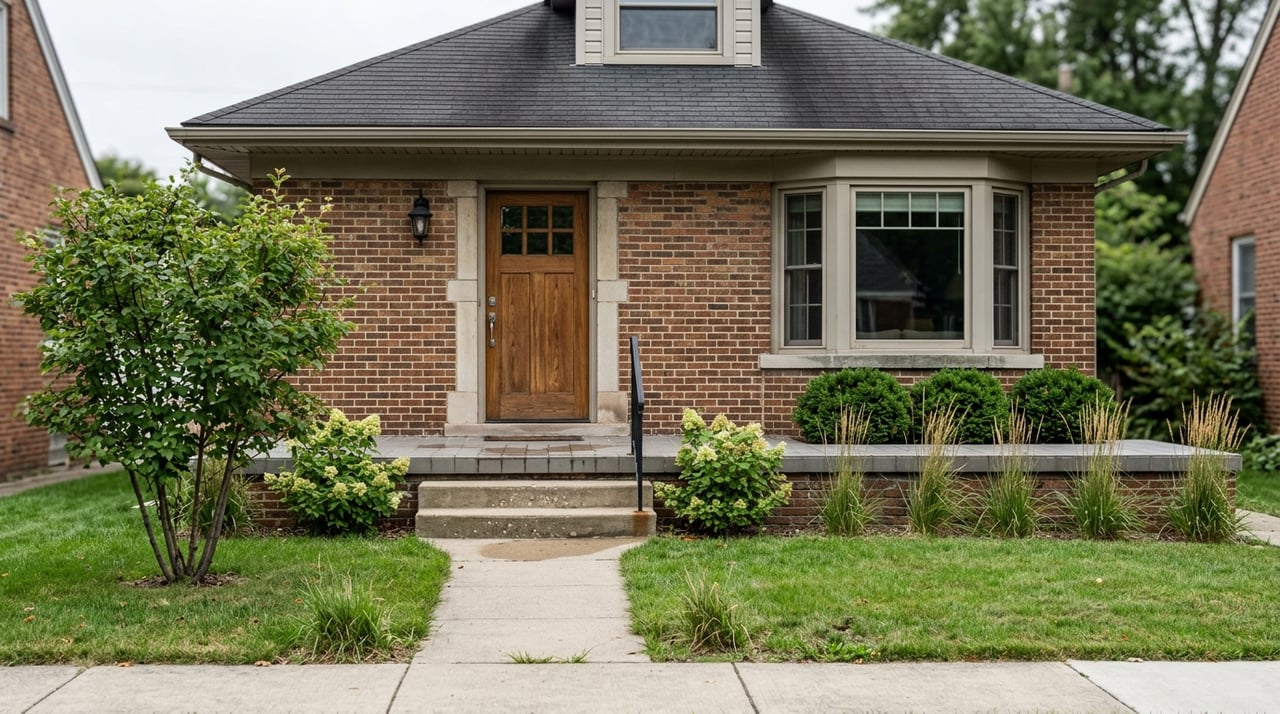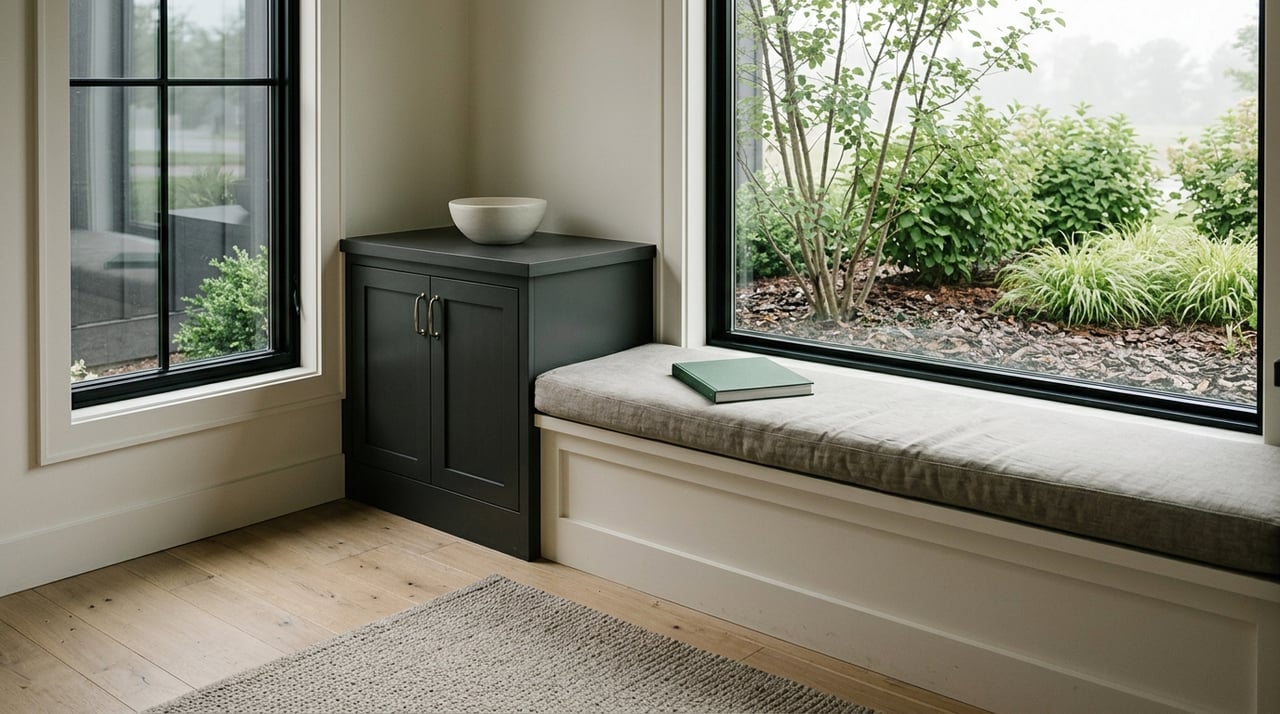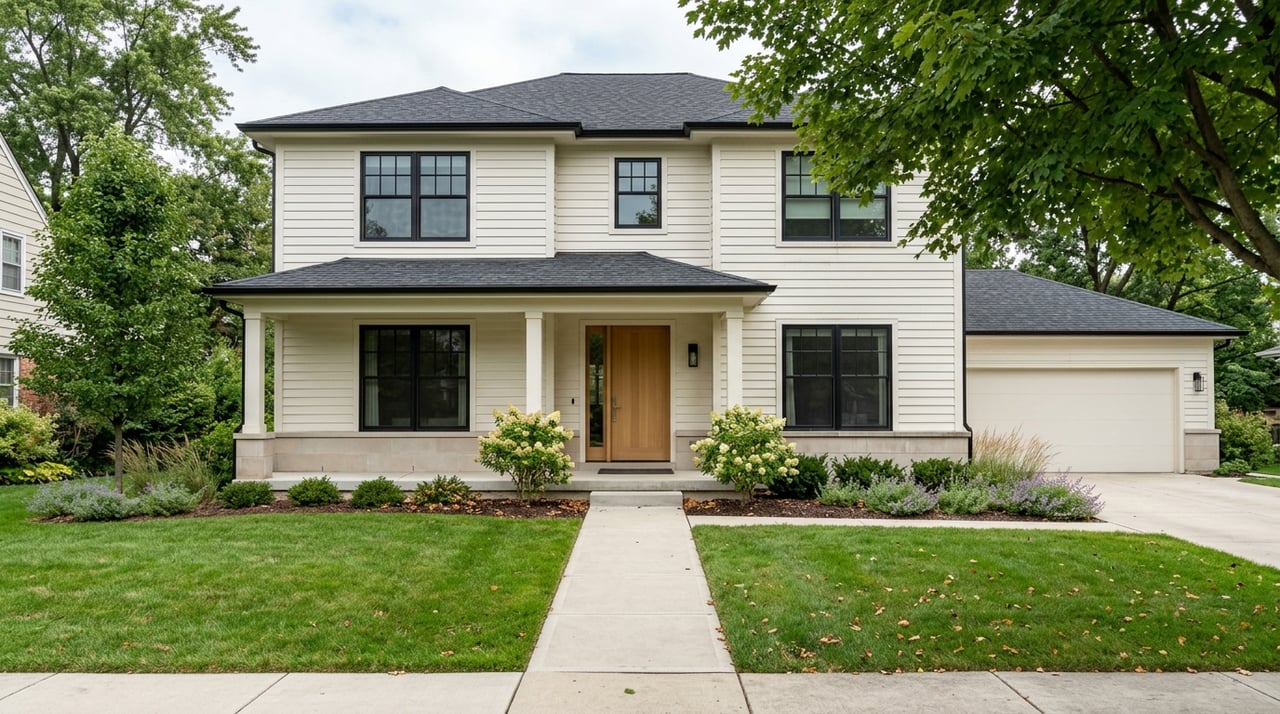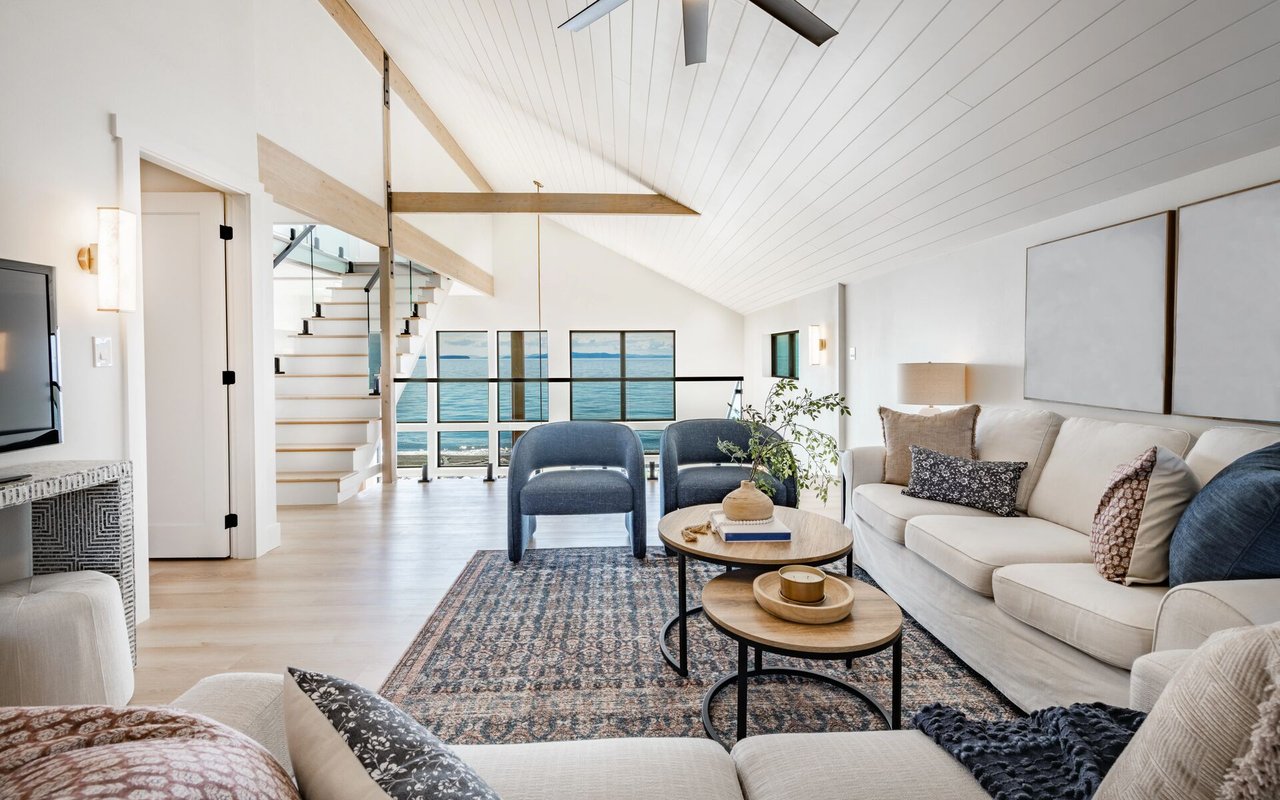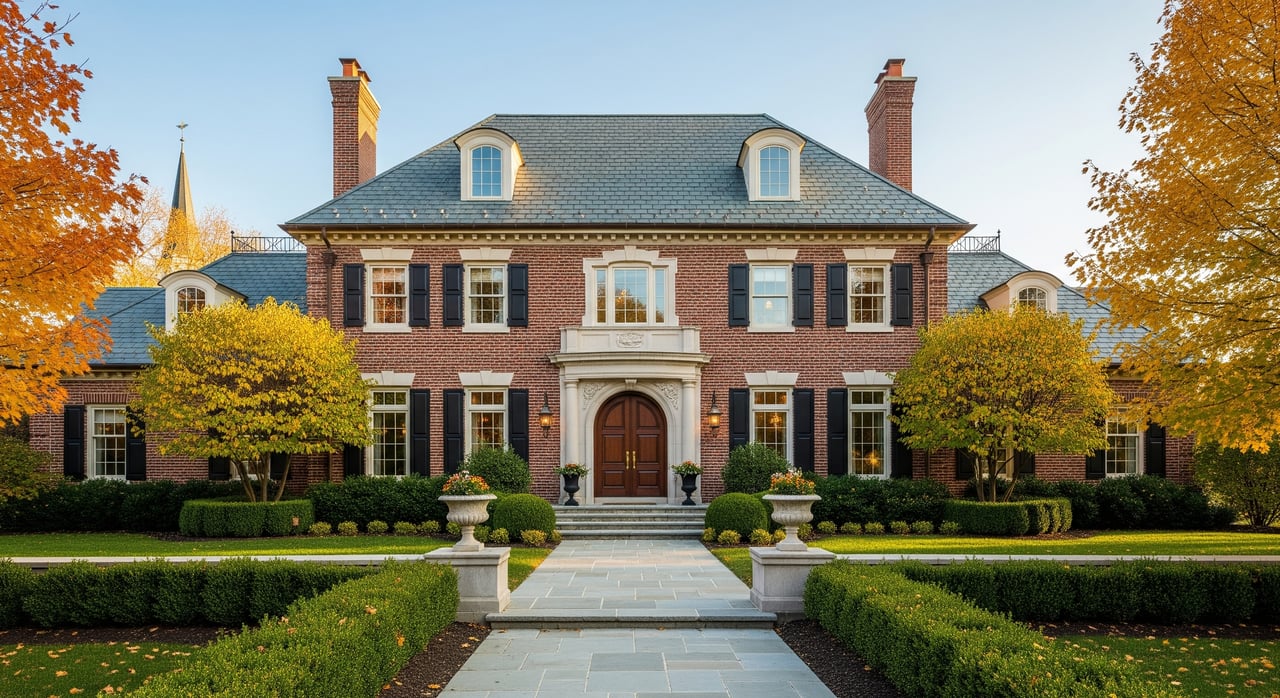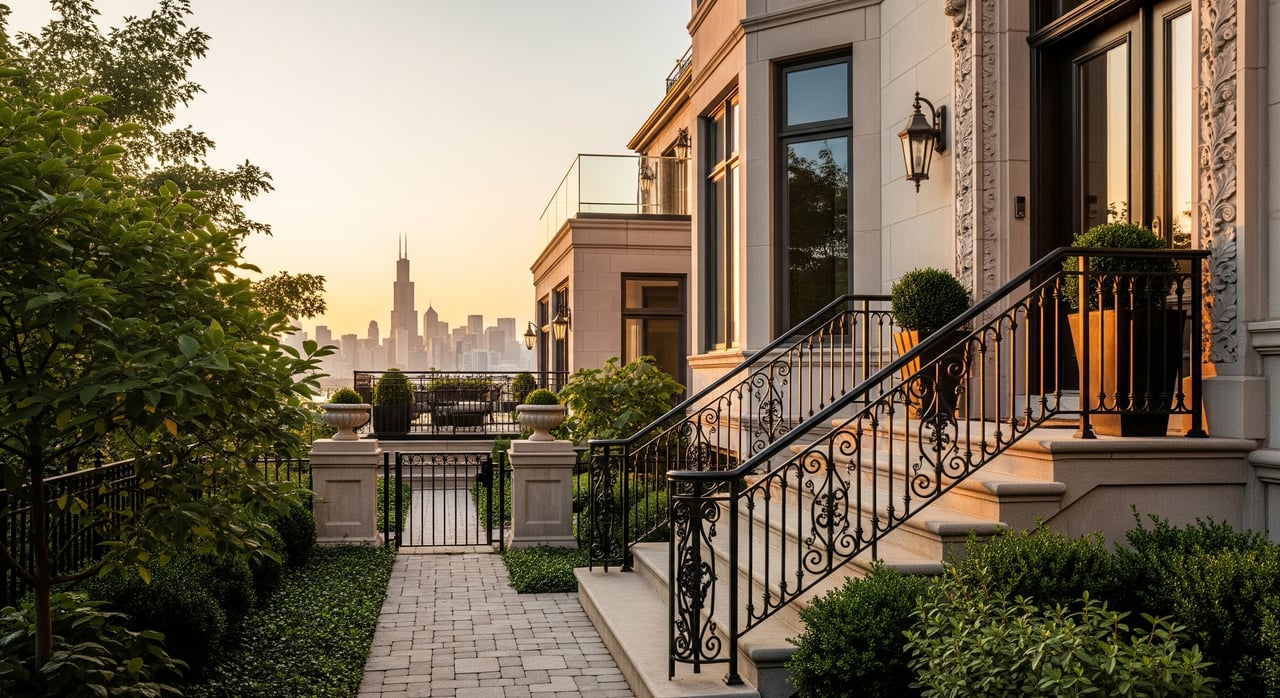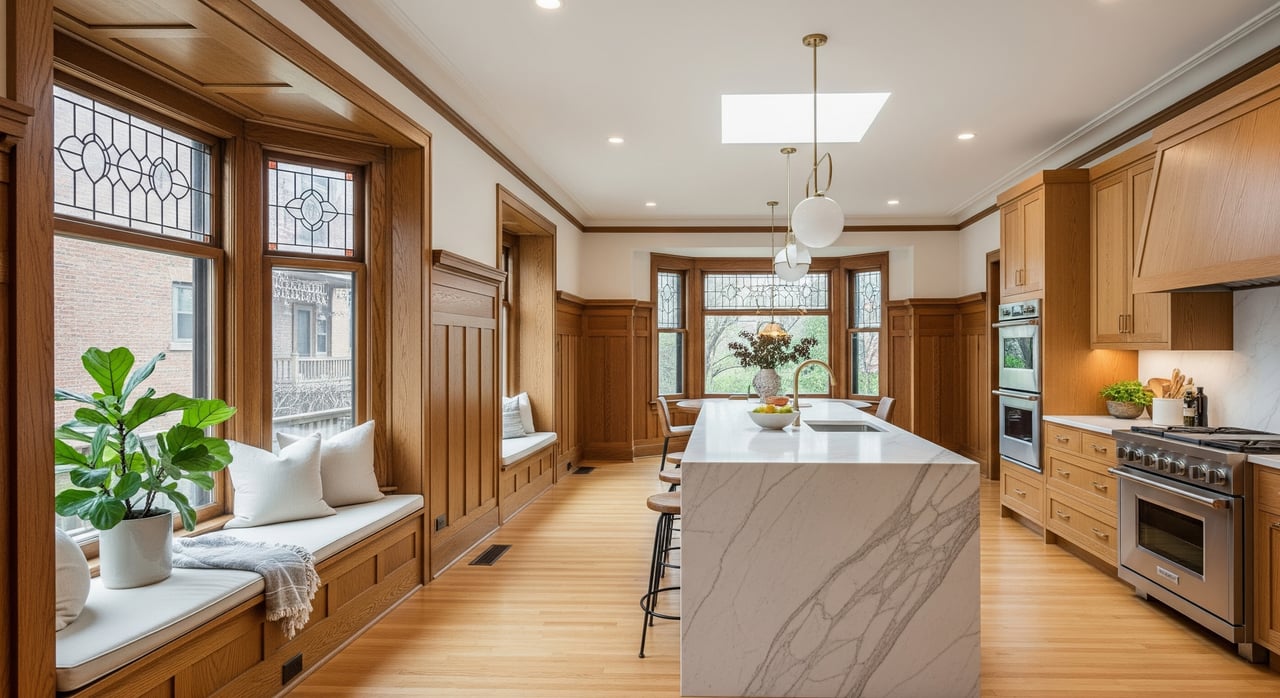
Thinking about selling your Chicago bungalow? You know buyers love the brick, woodwork, and cozy porches, yet they also expect modern systems and smart efficiency. The good news is you can honor the character and still add real market value with the right, code-conscious upgrades. In this guide, you’ll learn which projects help most in Chicago, what permits and rules to plan for, and how to time your updates for a smooth sale. Let’s dive in.
What buyers expect in Chicago bungalows
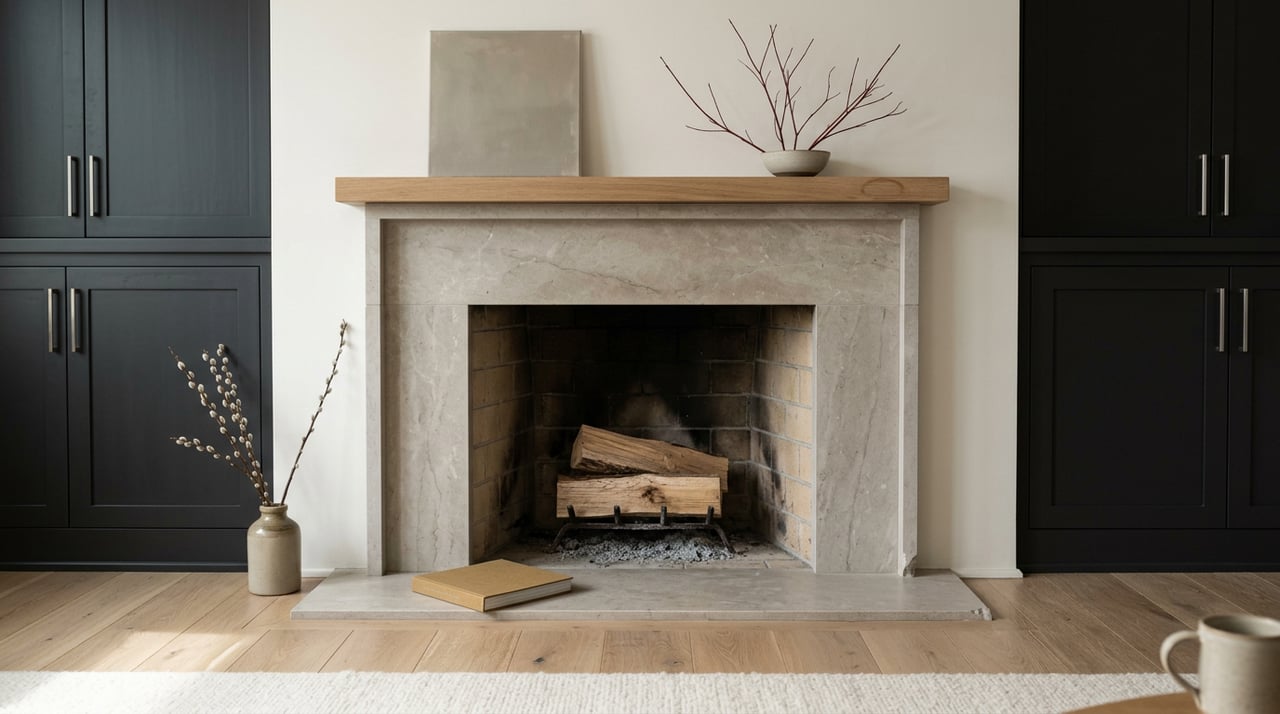
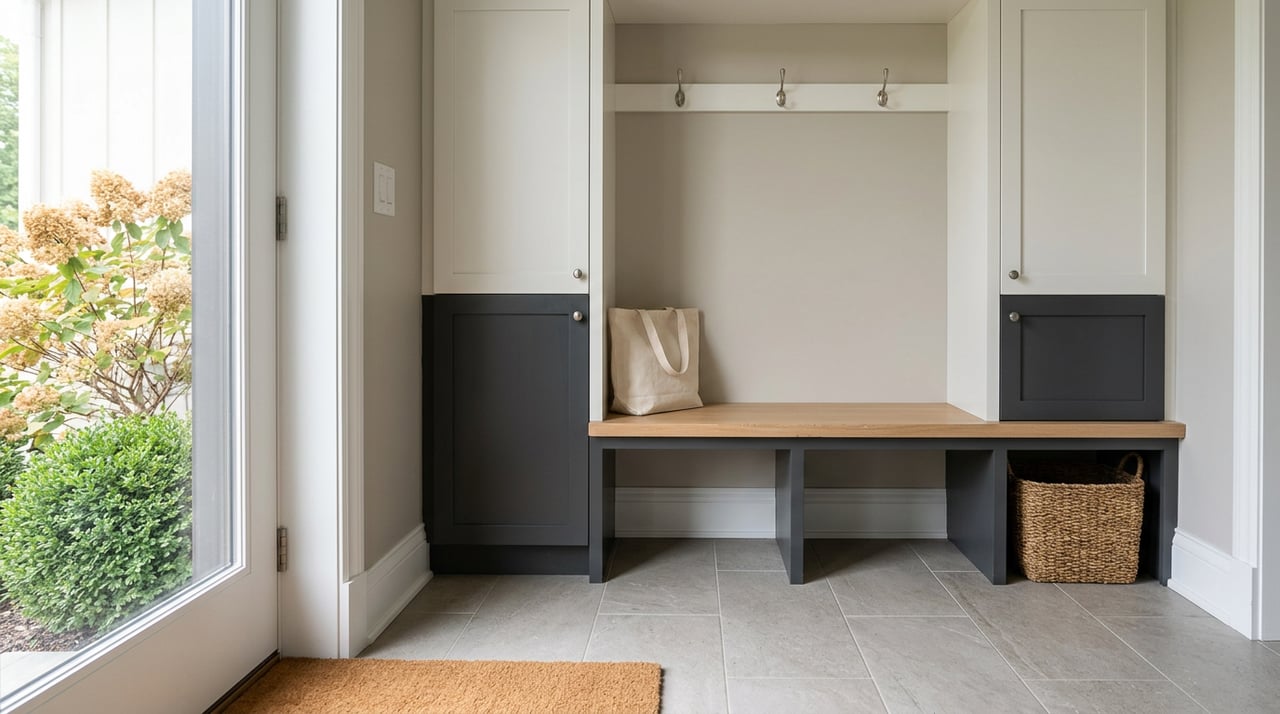
Chicago bungalow buyers want two things: preserved charm and practical updates. Original features like brick masonry, built-ins, and porches make a strong first impression. Buyers also look for a modern kitchen and bath, safe electrical and plumbing, and comfort upgrades like insulation and air sealing. Clear documentation for permits and inspections matters, since lenders and insurers may ask for it during closing.
High-impact upgrades that sell
Kitchen updates that work in tight spaces
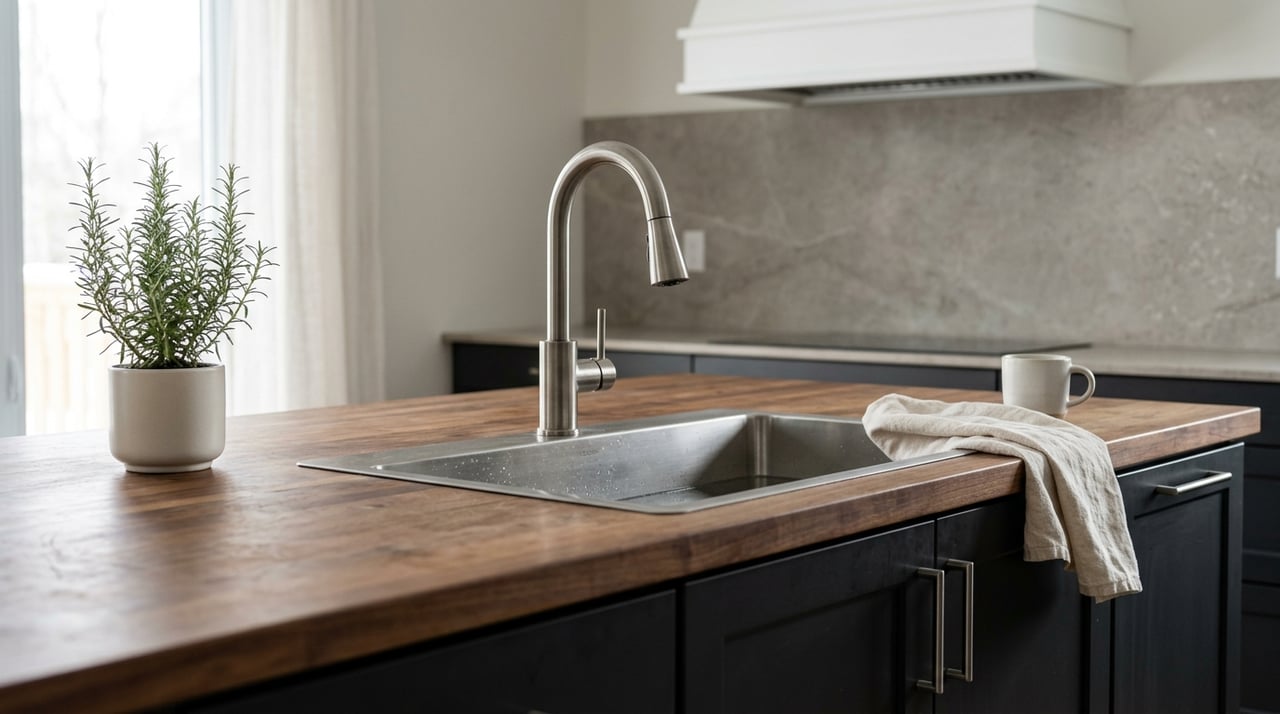
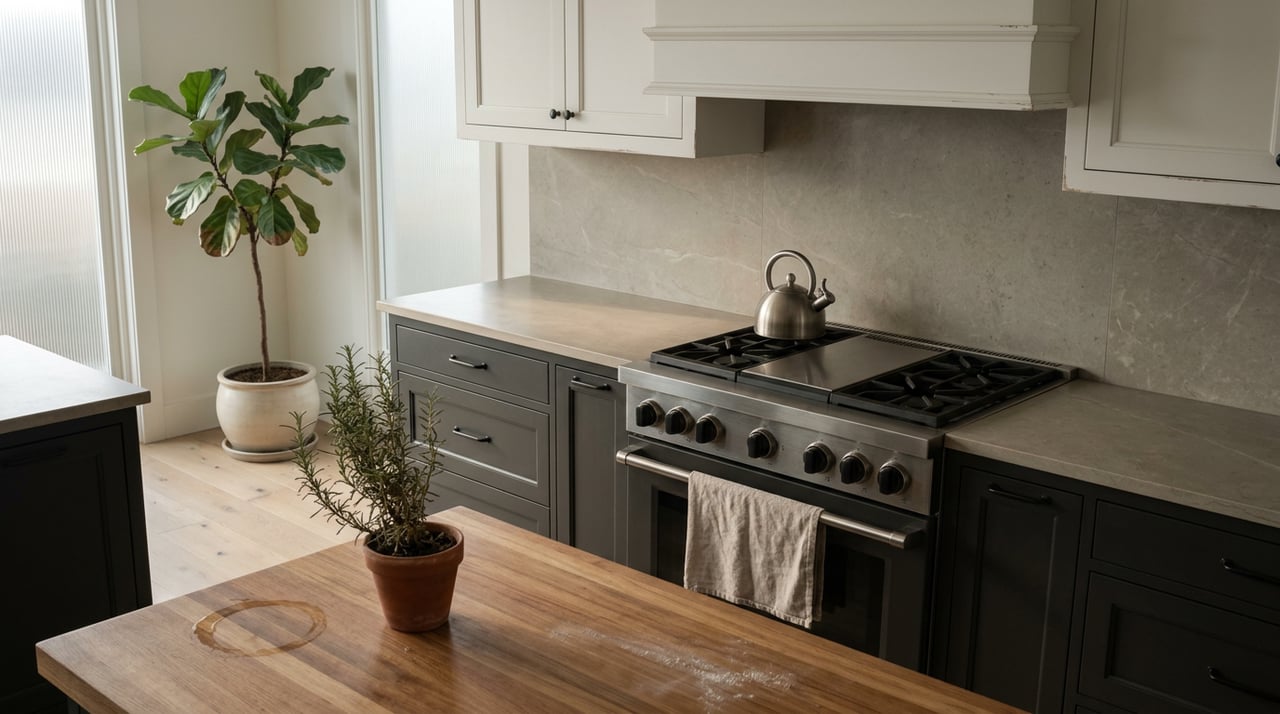
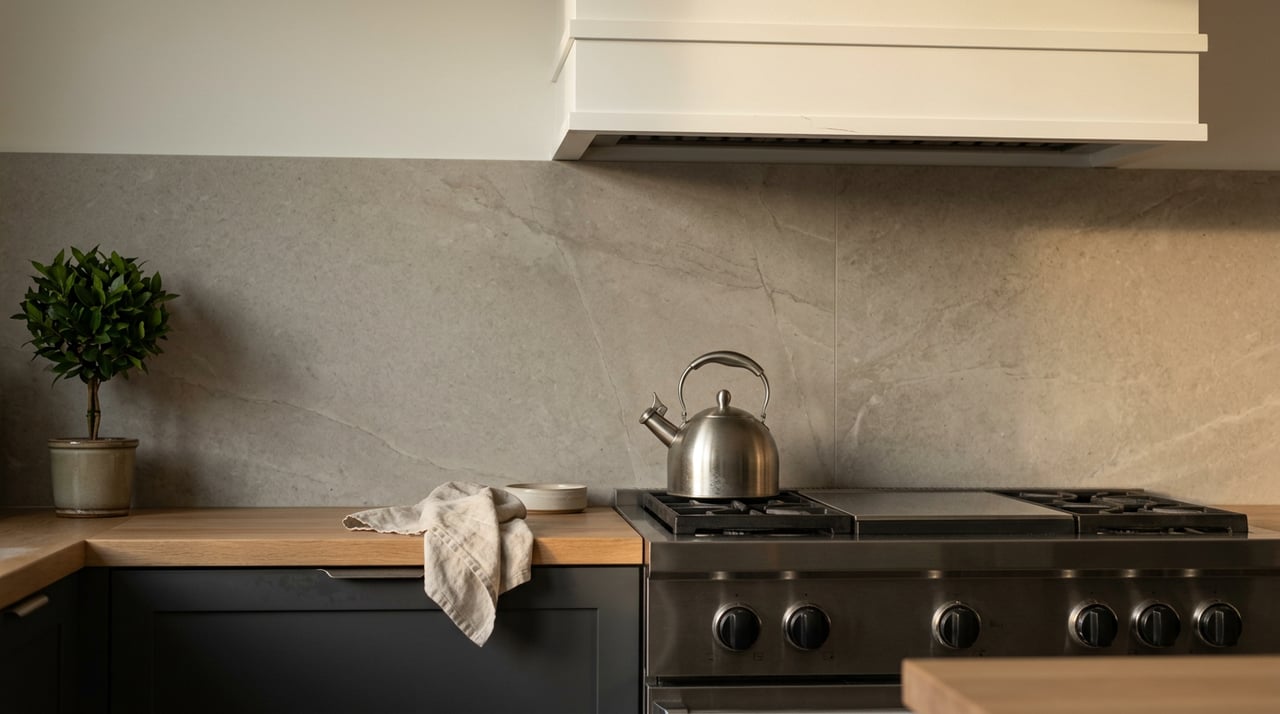
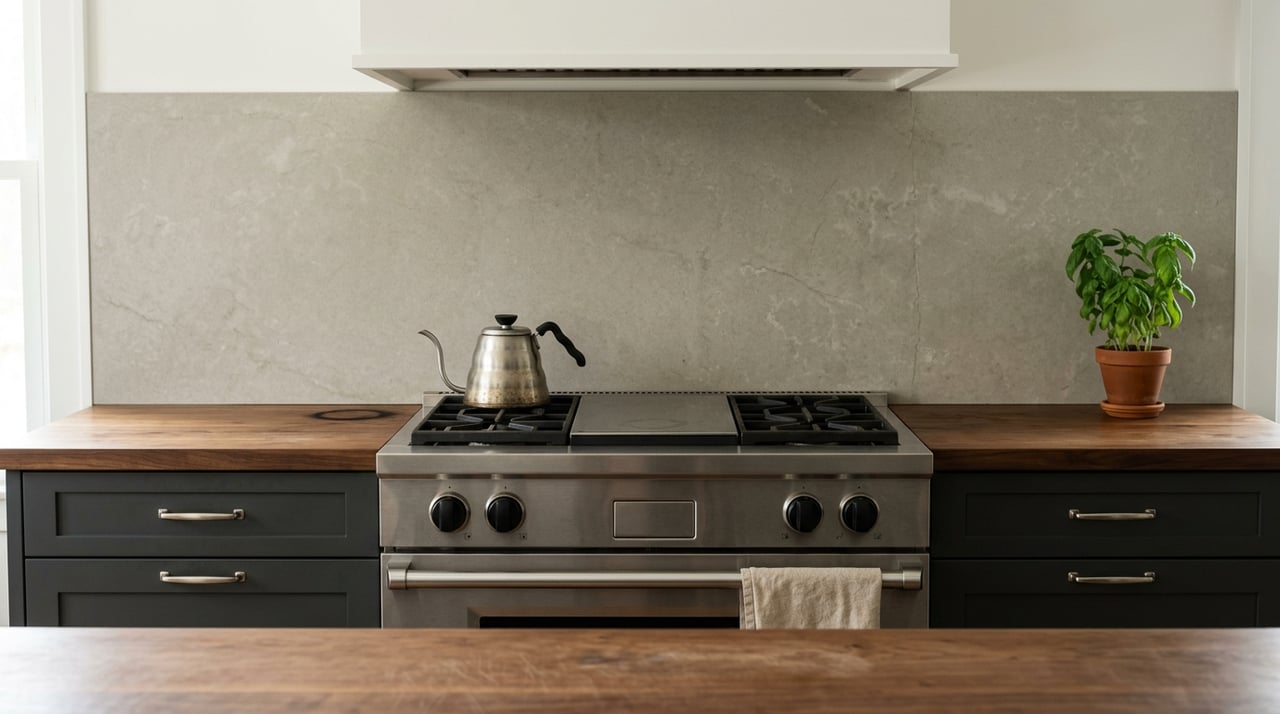
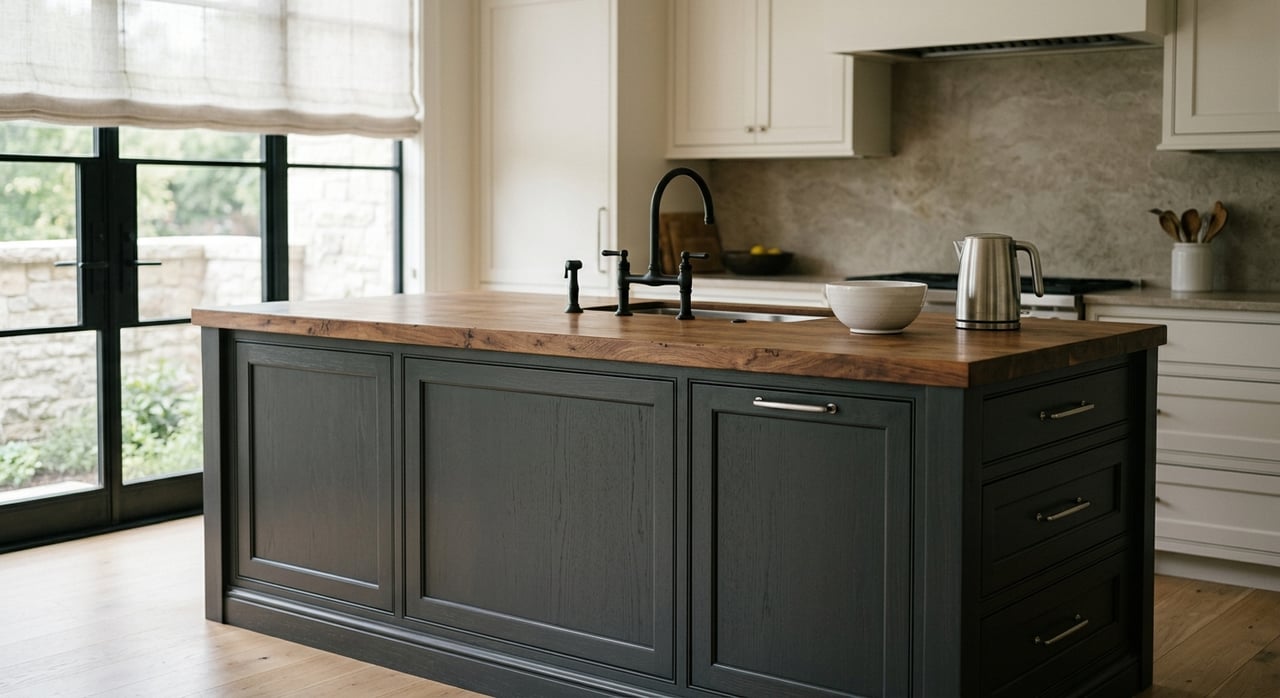
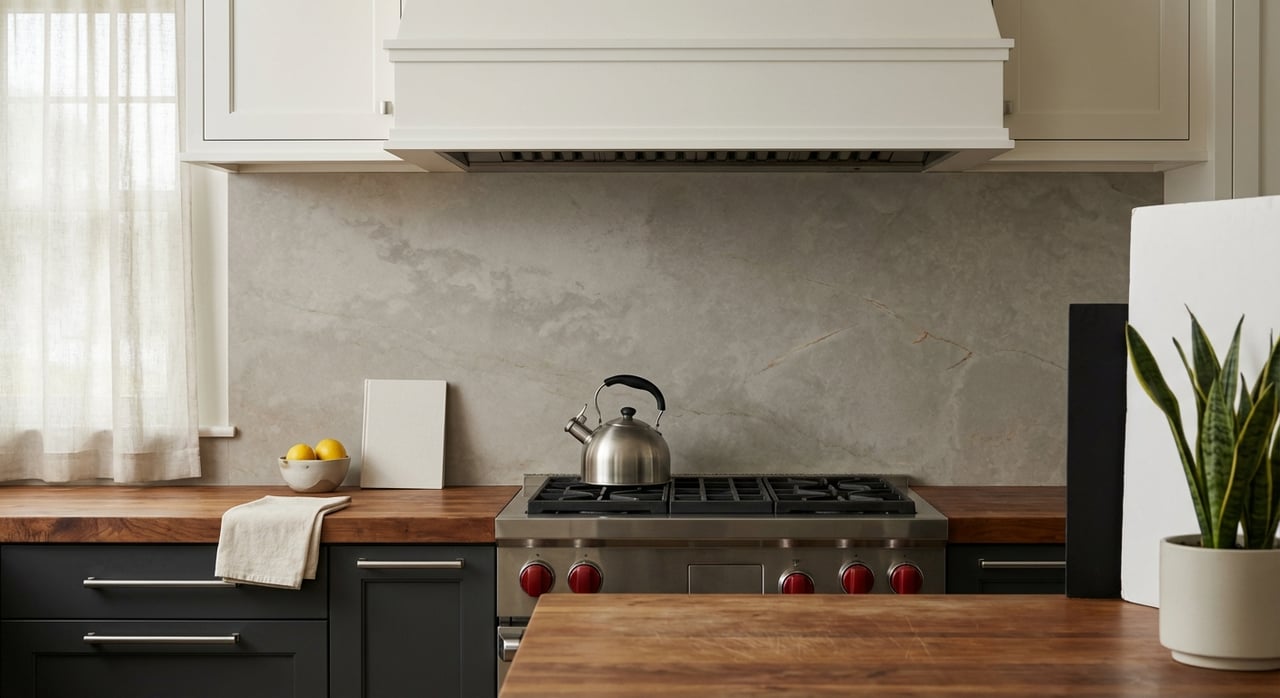
Bungalow kitchens are often compact, so layout efficiency matters. Focus on cabinet refacing or replacement, durable counters like quartz or solid surface, updated lighting, and energy-efficient appliances. If space allows, add a small island or peninsula to improve flow and storage. If you plan to open walls, check if they are load bearing and line up your permit path before demo begins.
Bathroom improvements buyers notice
Updated tile, a quality vanity, strong ventilation, and modern fixtures go a long way. Make sure electrical outlets are properly protected and lighting is bright and safe. If your buyer pool includes downsizers, a walk-in shower and well-placed grab bars can add appeal without overhauling the footprint. Older water and sewer lines may need attention, and documented replacements can be a selling point.
Mechanical, electrical, and plumbing upgrades
These systems can make or break buyer confidence. Replace outdated wiring like knob-and-tube, consider panel upgrades, and add GFCI and AFCI protection as required. Install efficient heating and cooling that is properly sized for the home, and consider adding central air if you do not have it. Replace old galvanized or lead plumbing and confirm proper venting and modern fixtures. Follow lead-safe practices for any work that disturbs paint in pre-1978 homes.
Insulation, windows, and envelope improvements
Insulation and air sealing can improve comfort and perceived quality. Attic insulation and air sealing around penetrations and rim joists often deliver the best bang for the buck. For windows, weigh restoration of historic wood windows with storm panels against full replacement. In landmark or historic districts, compatible appearance is key. If your basement shows moisture, address drainage, sealing, and sump pump function before listing.
Porches, foundations, and masonry
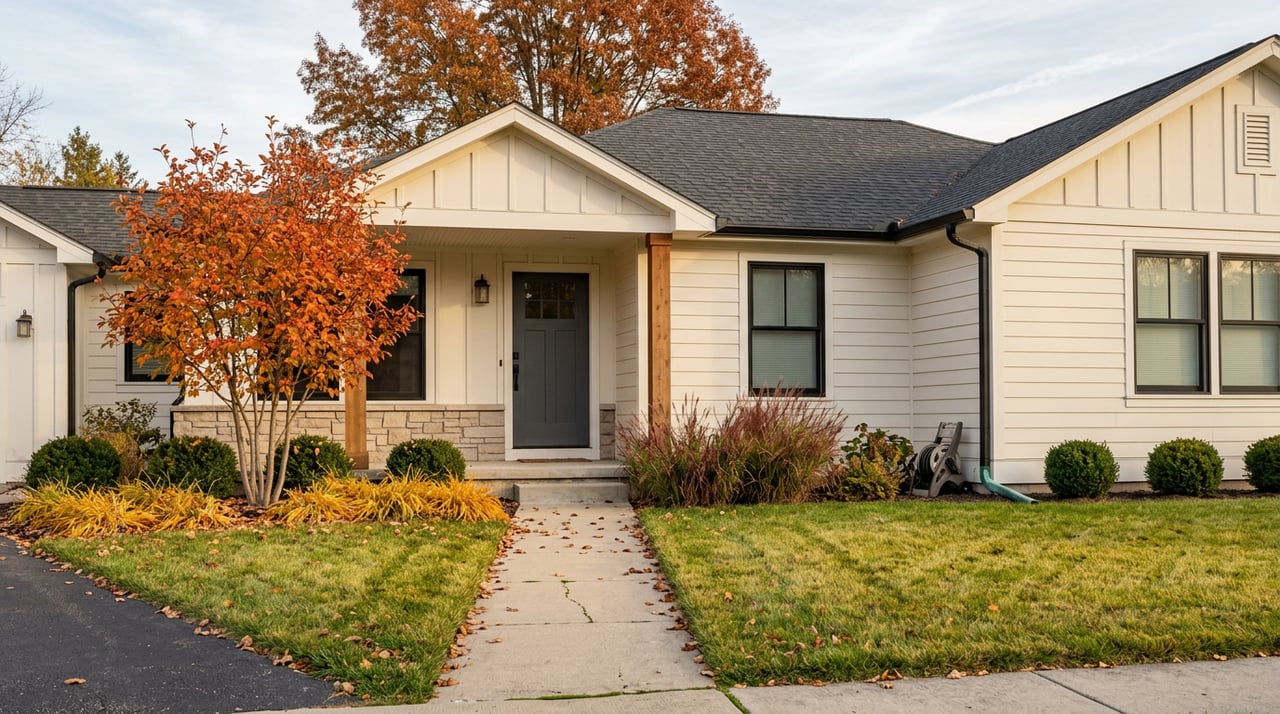
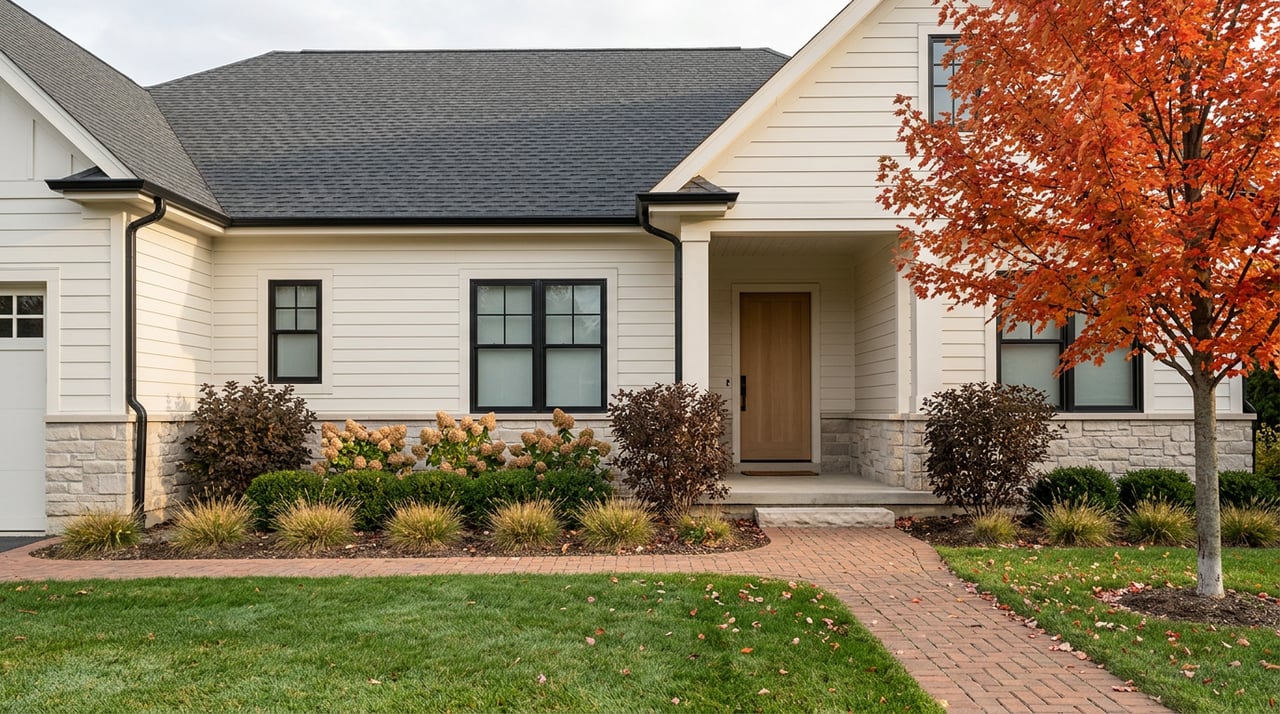
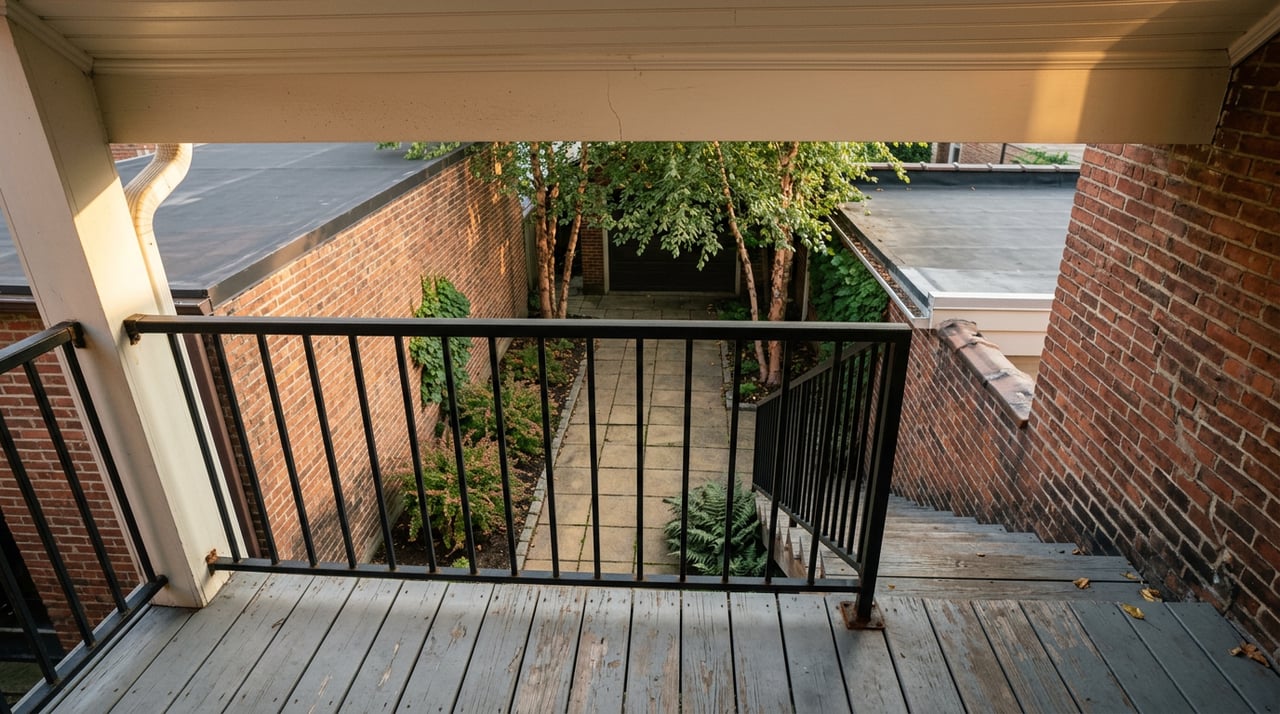
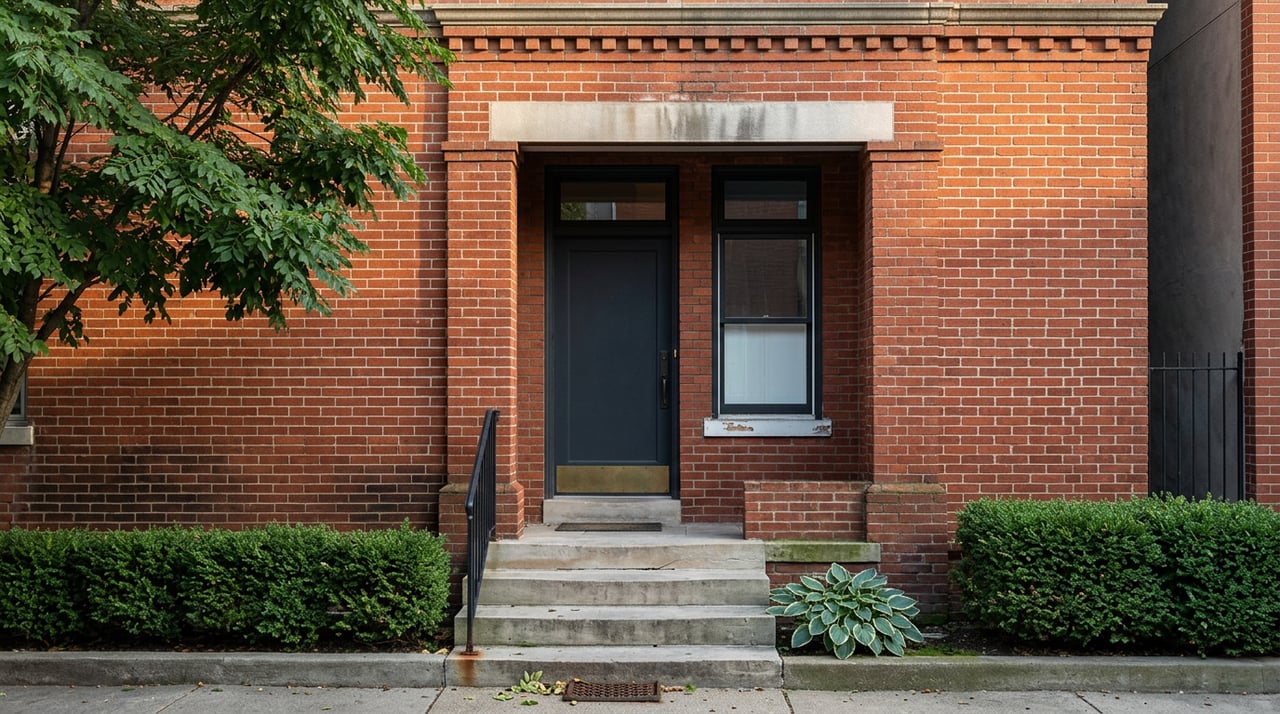
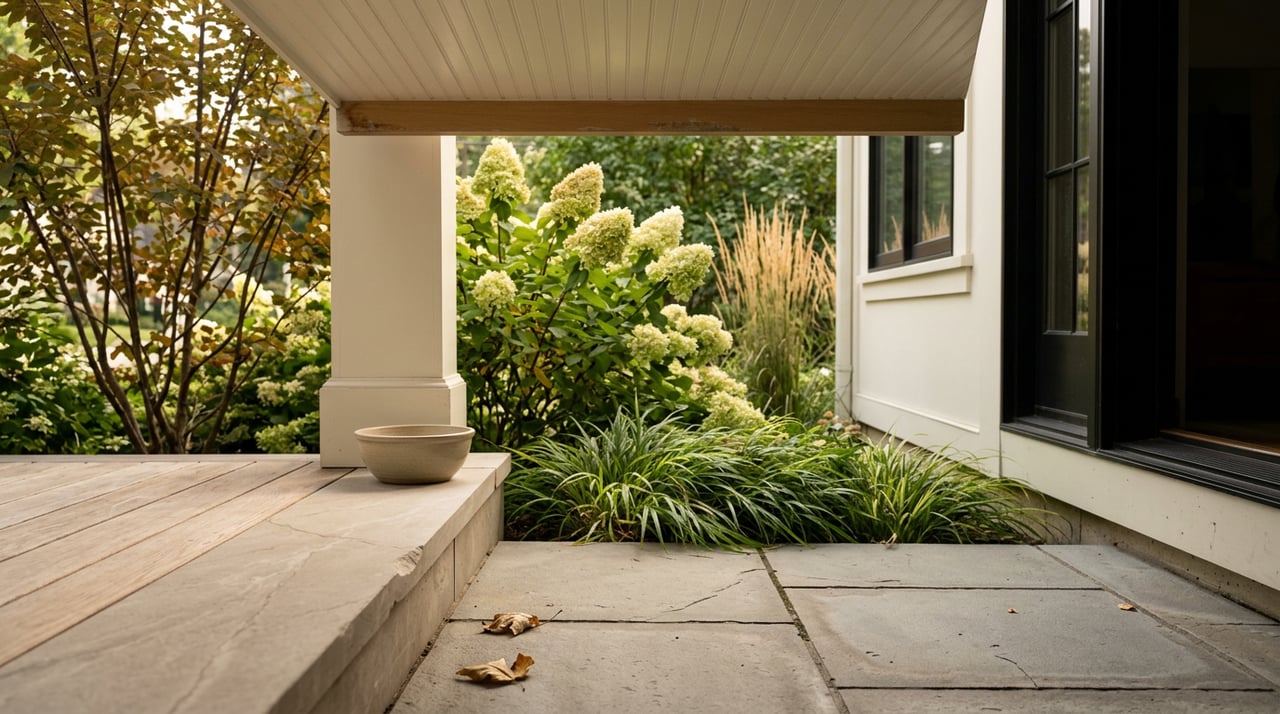
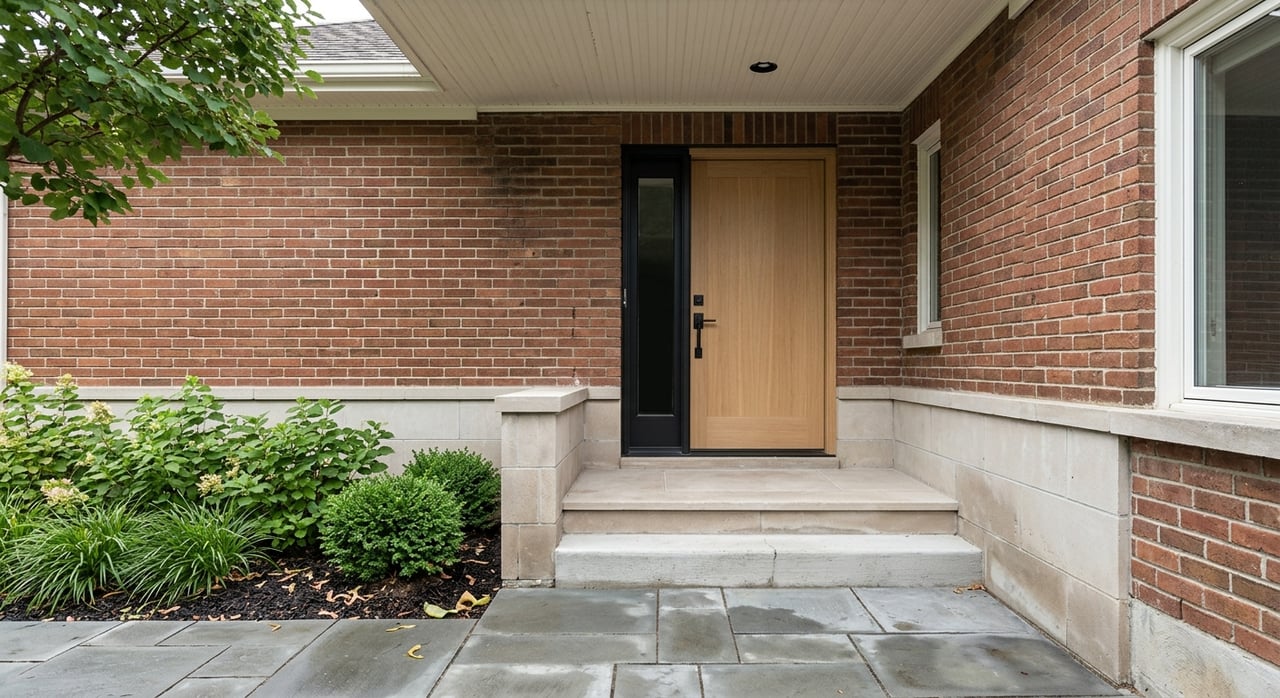
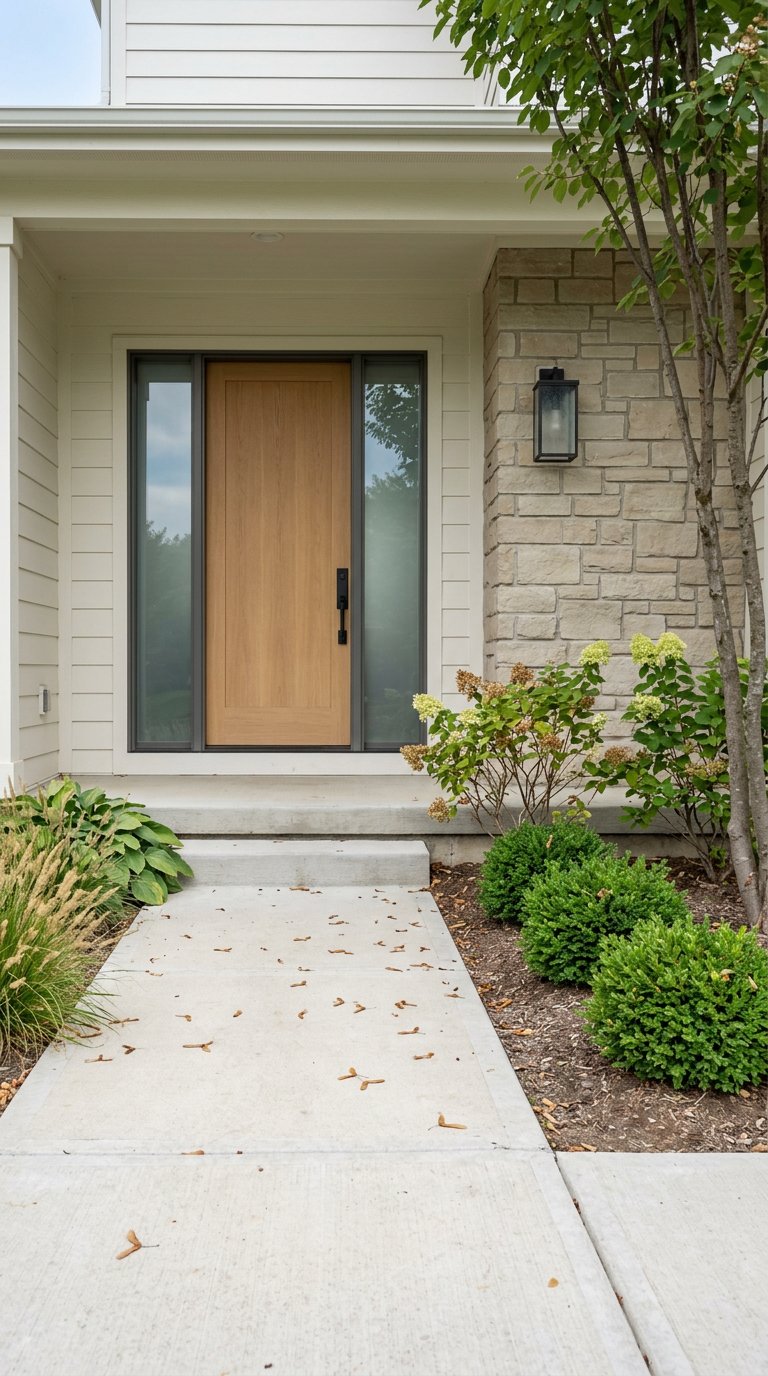
A solid porch sells. Repair structure, replace rotted components, refresh railings, and ensure proper flashing. Tuckpoint brickwork and repair spalled or cracked areas. In raised basements, fix cracks and water intrusion early, and document the repair path so buyers feel confident.
Dormers and attic conversions
Dormers can transform a half-story attic into livable space, adding bedrooms or a bath that appeal to urban buyers. Plan for structural changes, insulation, ventilation, egress, and stair safety. Expect a permit and inspections, and use an engineer for structural plans. In historic districts, roofline changes may need review, so build that into your timeline.
Code, permits, and historic review
Pull the right permits
In Chicago, most structural, electrical, plumbing, HVAC, and exterior work needs permits. Use licensed and insured contractors who understand local code and the inspection schedule. Keep permit records and inspection sign-offs in a single file you can share with buyers. Clean, complete documentation can reduce risk during underwriting and appraisal.
Landmark and historic districts
Some bungalow blocks sit in local historic districts or include landmark homes. Exterior changes, including windows, porches, masonry, and rooflines, may require review. Even outside formal districts, staying true to the original style tends to support value. If in doubt, consult before you design.
Lead, asbestos, and moisture
Homes built before 1978 fall under federal lead disclosure rules. Any renovation that disturbs paint should follow EPA Renovation, Repair and Painting (RRP) lead-safe practices. Older homes can also have asbestos in insulation, floor tiles, or pipe wrap. Test suspect materials before you disturb them, and use licensed pros for abatement. Address mold and moisture at the source, especially in basements or crawl areas.
Costs, timelines, and ROI realities
Plan your projects around your listing date. Kitchens and baths typically deliver strong buyer appeal, yet timelines vary with scope. Mechanical updates and safety fixes often carry weight during buyer inspections and can smooth the appraisal. Energy upgrades like attic insulation or efficient HVAC improve comfort and marketability and may qualify for incentives. Larger projects like dormers take longer and require more coordination, so start those well in advance and confirm they fit neighborhood norms.
Incentives and ways to pay
- Home equity loans or a HELOC
- Cash-out refinance or personal loans
- Renovation loans, such as FHA 203(k), for owner-occupant rehab scenarios
- Utility rebates for energy efficiency upgrades and weatherization
- Federal tax credits for qualifying energy improvements
- City or county programs that may support limited-income repairs or historic preservation
Programs change, so confirm current offerings with your utility, the City of Chicago, and your tax professional before you start.
Pre-sale checklist for Chicago bungalows
- Gather permits, inspections, and warranty documents in one file.
- Fix safety and code items first: electrical panel issues, outdated wiring, roof leaks, masonry problems, and heating system reliability.
- Address basement moisture and sump pump function if there are signs of water.
- Prioritize a kitchen refresh and main bath update for broad appeal.
- Add attic insulation and air sealing for comfort and energy savings.
- Repair and restore porch and masonry for curb appeal.
- Consider a dormer or attic conversion only if it creates marketable bedrooms or baths that match neighborhood expectations.
- Follow lead-safe practices for any paint disturbance and keep that documentation.
Common mistakes to avoid
- Skipping permits for major work or relying on unlicensed labor.
- Removing defining bungalow features that buyers love.
- Replacing historic windows without assessing repair and storm options.
- Over-improving beyond neighborhood norms, especially with large additions.
- Poor documentation, which can slow down underwriting and spook buyers.
Ready to maximize your sale
You can respect your bungalow’s character and still meet today’s buyer expectations with smart, code-conscious upgrades. If you want a tailored plan for your block, budget, and timeline, we can help you prioritize, prep, and go to market with confidence. Start with a quick conversation and a pricing strategy that fits your goals.
Have questions or want a room-by-room plan? Connect with Timothy Good for a personalized walkthrough and a pro listing approach. What’s My Home Worth?
FAQs
Do I need permits to remodel a Chicago bungalow?
- Most structural, electrical, plumbing, HVAC, and exterior work requires permits. Using licensed contractors and keeping permit records helps with buyer confidence, lending, and insurance.
Are dormer additions worth it for resale?
- Dormers can add usable square footage and create bedrooms or a bath that boost price and marketability, but they require engineering, permits, and more time, so confirm fit with neighborhood norms.
How do energy upgrades affect a bungalow’s resale?
- Attic insulation, air sealing, and efficient HVAC improve comfort and utility costs, which buyers value. These upgrades support marketability and may qualify for incentives.
What should I do about lead paint in a pre-1978 home?
- Follow federal lead disclosure rules and EPA RRP lead-safe practices for any work that disturbs paint. Use certified professionals for testing and abatement when required.
How do historic district rules affect windows and porches?
- In landmark or historic districts, exterior changes like windows, porches, masonry, and rooflines may need review. Design compatible updates that preserve original proportions and details.