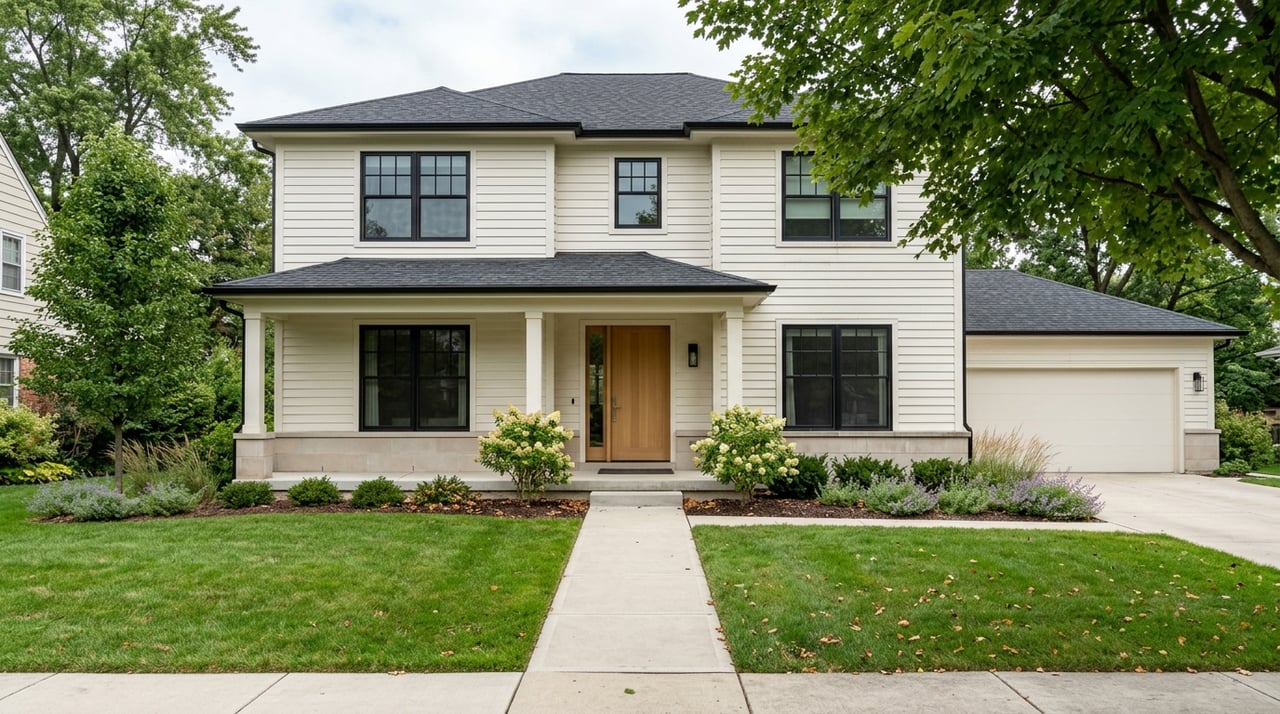
If you are deciding between Chicago and the southwest suburbs, you are really choosing between two very different homeowner experiences. One leans more urban, transit-friendly, and multifamily, while the other often means more detached homes, more space, and a more car-based routine. The good news is that the right fit usually becomes clearer once you compare housing, price, space, and daily life side by side. Let’s dive in.
Chicago vs. Southwest Suburbs at a Glance
For homeowners, the biggest difference is not just price. It is how your home and your day-to-day life are likely to feel.
According to CMAP housing data, Chicago is more renter-heavy and has a much larger share of multifamily housing. By contrast, suburbs like Naperville and Orland Park skew more heavily toward owner-occupied, detached single-family homes.
That shapes everything from your housing options to your commute. If you want walkability and easier access to transit, Chicago stands out. If you want more yard space, more bedrooms, and a more traditional single-family setup, the southwest suburban lifestyle may feel like a better fit.
Housing Types Feel Very Different
Chicago offers a wider mix of property types. Only 29.2% of housing in Chicago is made up of one-unit homes, and owner occupancy sits at 45.5%, according to CMAP’s Chicago Housing Profile.
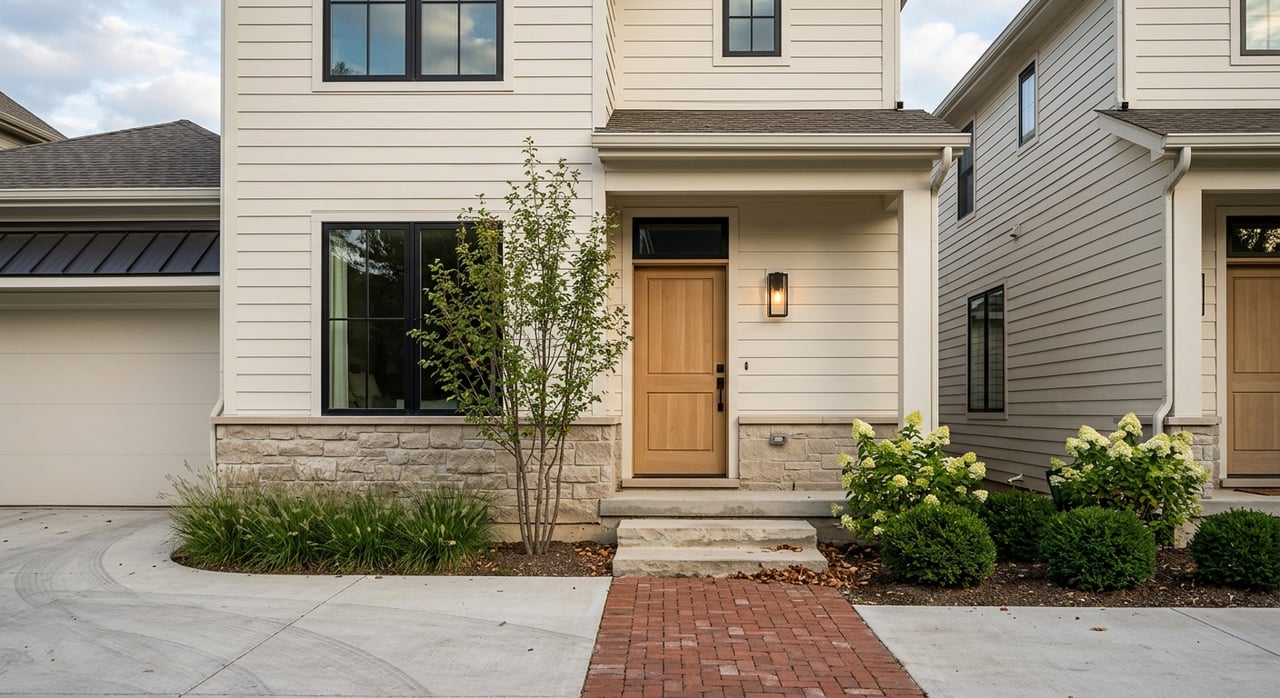
That means you are much more likely to see condos, two-to-four-unit buildings, and larger apartment buildings in the city. For many buyers, that can be a plus if you want lower-maintenance living or a more urban setting.
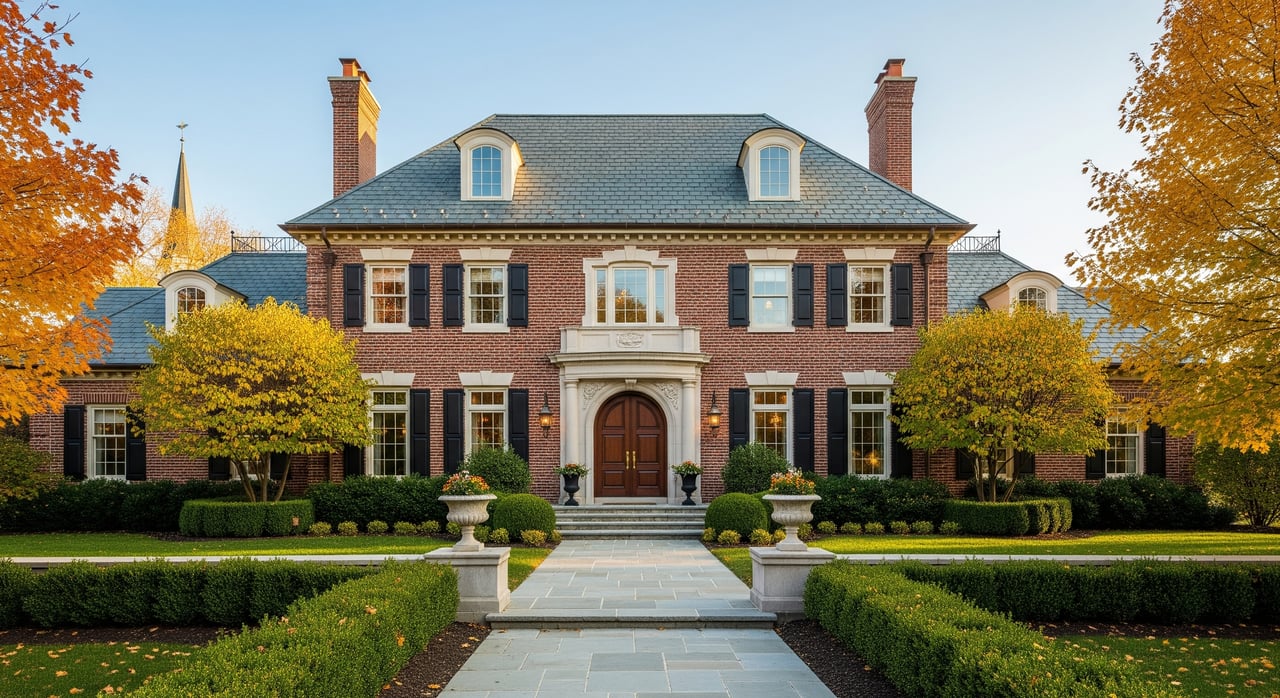
Naperville and Orland Park look very different. In Naperville, 74.7% of homes are one-unit properties and 74.3% are owner-occupied, based on CMAP’s Naperville housing profile. In Orland Park, 78.6% of homes are one-unit properties and owner occupancy reaches 86.2%, according to CMAP’s Orland Park housing profile.
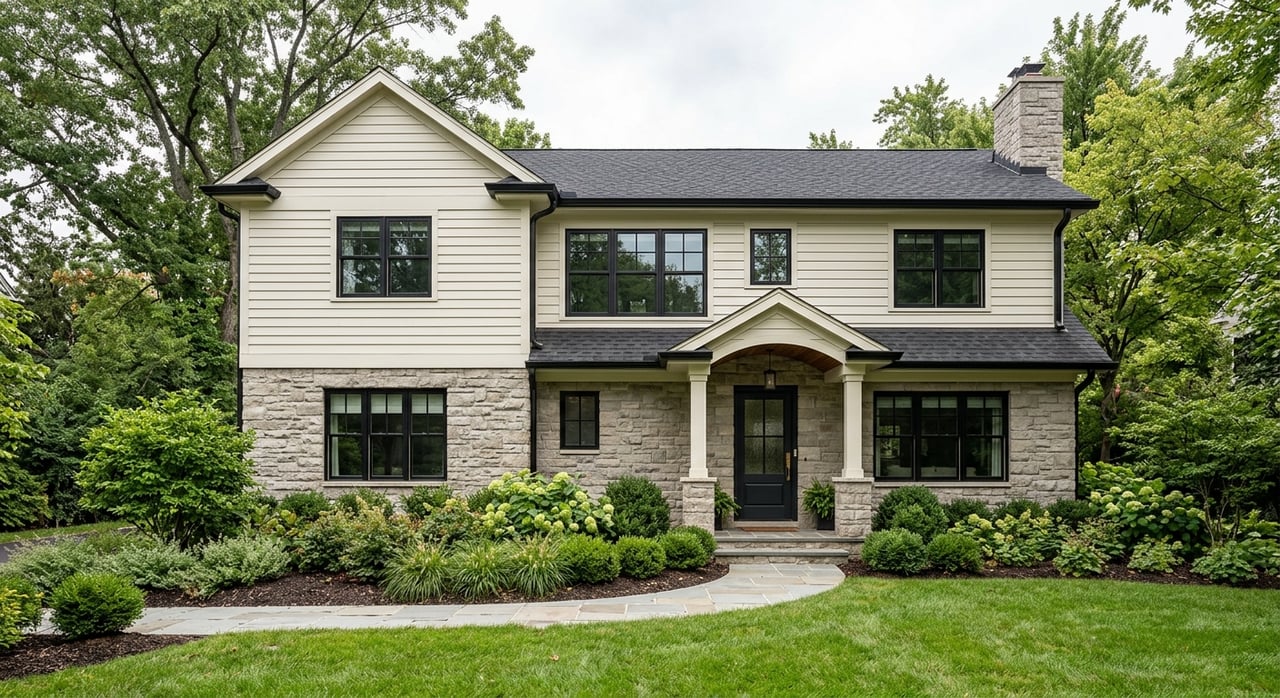
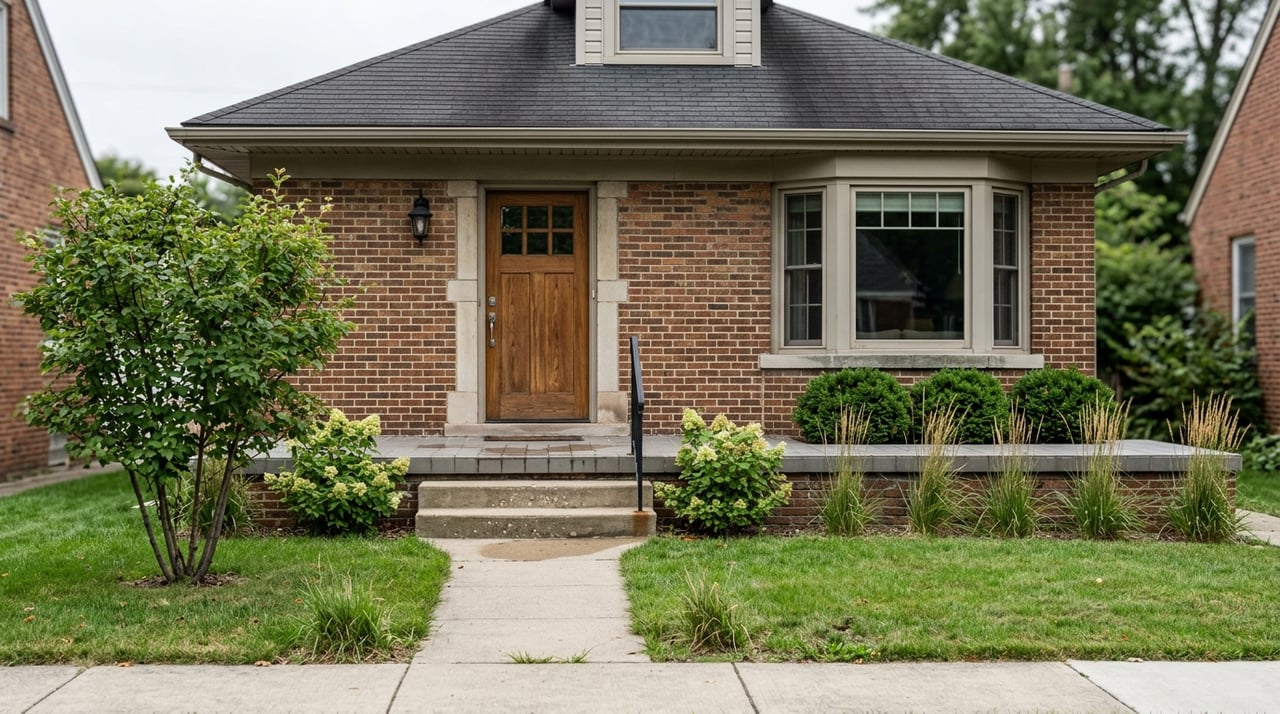
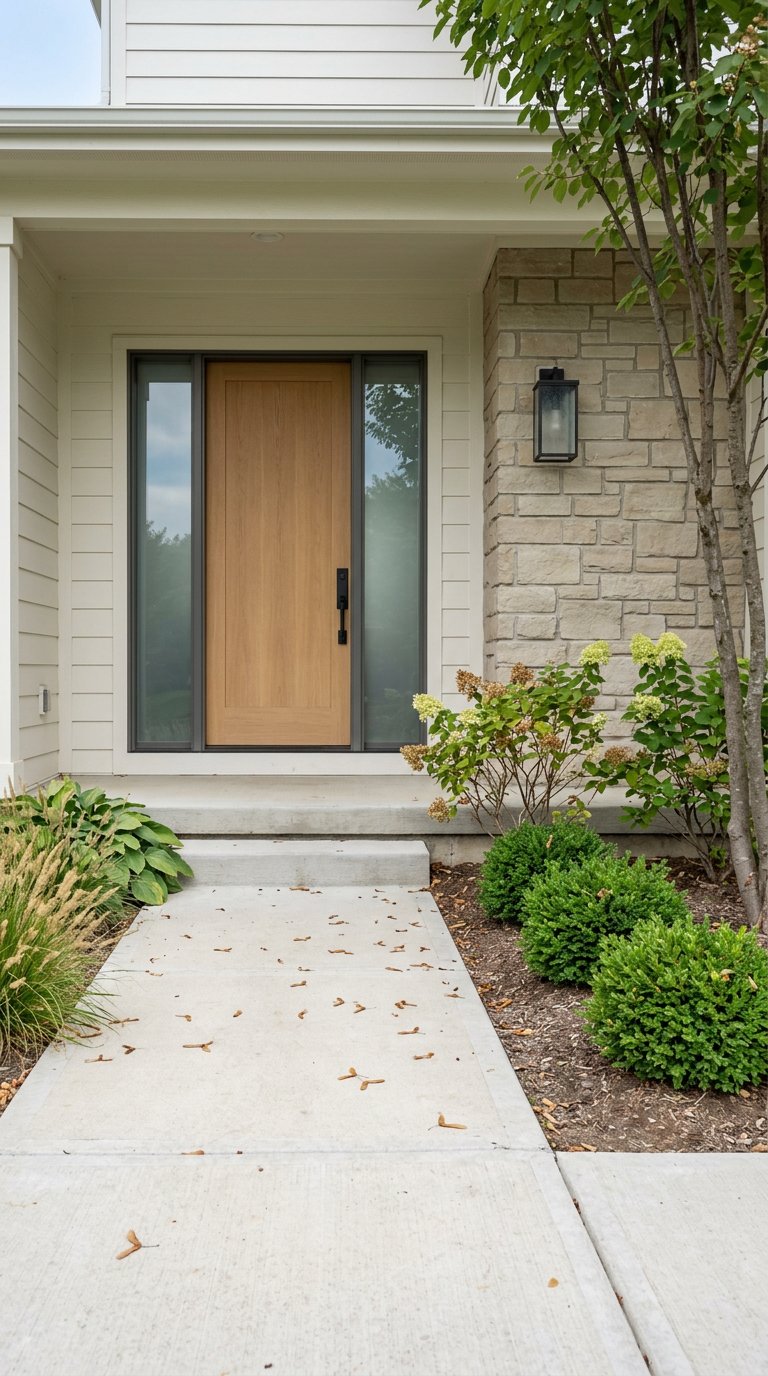
In practical terms, the suburbs usually offer more detached-home options. That often brings more privacy, more parking, and more outdoor space, but it can also mean more upkeep.
Home Prices Tell an Important Story
Price is often where homeowners start, but price alone does not tell the full story. You also need to think about what kind of home you are getting for that number.
CMAP reports a median residential sales price of $323,500 in Chicago, compared with $460,000 in Naperville and $311,000 in Orland Park. That makes Naperville the priciest of the three in the current data, while Orland Park comes in below both Naperville and Chicago on median sales price.
If you are comparing value, it helps to ask a better question than “Which one is cheaper?” A more useful question is, “Where do I get the kind of home and lifestyle I want for my budget?” For some buyers, Chicago delivers strong value through location and transit access. For others, Orland Park may offer more detached-home inventory at a price point that feels more approachable.
Space Per Home Usually Favors the Suburbs
If square footage and room count matter to you, the suburban advantage is hard to ignore. Chicago homes are smaller on average than homes in Naperville and Orland Park.
According to CMAP community data snapshots, the median housing unit in Chicago has 4.7 rooms. Naperville has a median of 7.2 rooms, and Orland Park comes in at 6.5 rooms.
Bedroom counts show the same pattern. In Chicago, only 8.9% of homes have four bedrooms and 3.9% have five or more bedrooms. In Naperville, 38.5% of homes have four bedrooms and 10.0% have five or more. In Orland Park, 21.8% have four bedrooms and 6.3% have five or more.
If you need extra bedrooms, more storage, or a larger home footprint, the suburbs often give you more options. That is one reason buyers looking for long-term space often compare Chicago with nearby suburban markets instead of only looking within the city.
Newer Housing Is More Common in the Suburbs
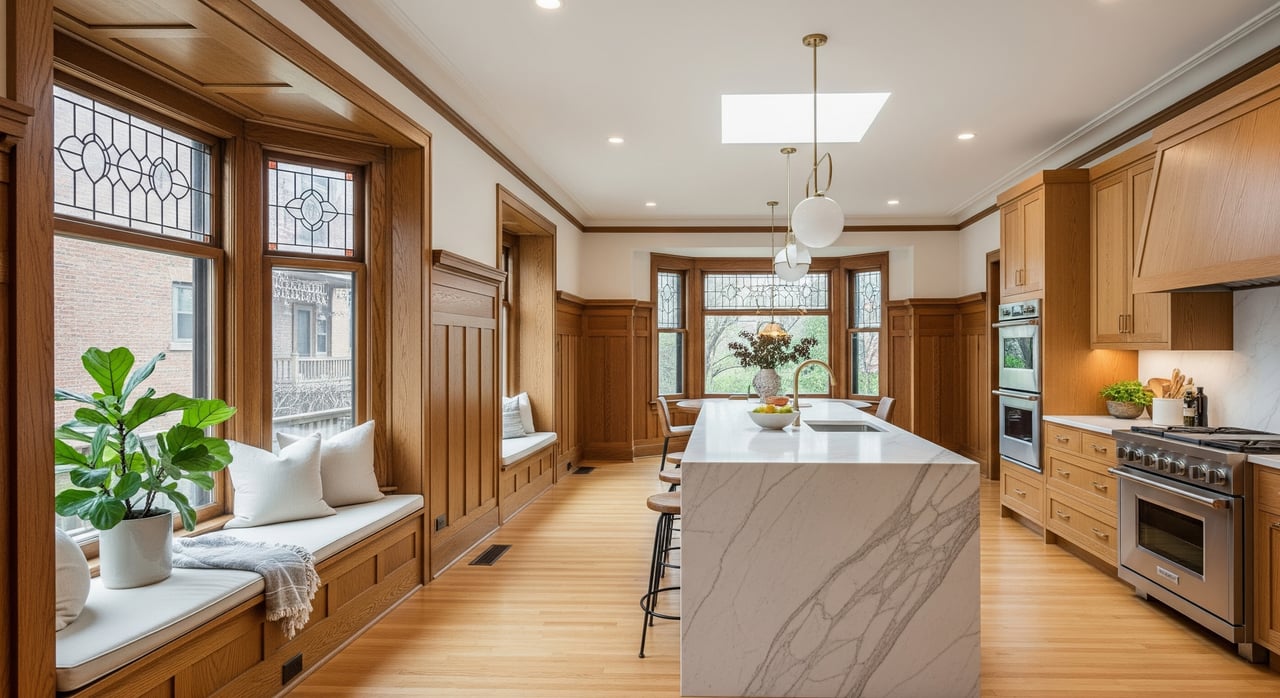
The age of the housing stock can affect style, layout, maintenance expectations, and renovation needs. Chicago’s median year built is 1952, while Naperville’s is 1989 and Orland Park’s is 1988, based on CMAP local housing profiles.
That does not mean newer is always better, or older is always a challenge. It simply means the housing stock tends to feel different. In Chicago, you may find more older homes with established character and a broader mix of building types. In Naperville and Orland Park, you are more likely to find housing built around more modern suburban layouts.
For homeowners, this matters because age often influences floor plans, garage setups, maintenance needs, and the kind of updates a property may require over time.
Daily Transportation Is a Major Divide
One of the clearest lifestyle differences is how you get around. Chicago is much easier to navigate without a car, while the southwest suburbs are generally more car-dependent.
CMAP data shows that 26.7% of Chicago households have no vehicle available. In Naperville, that number is 4.0%, and in Orland Park, it is 3.9%, according to the same community snapshot data.
Commute times are actually fairly similar. Chicago reports a mean commute of 33.5 minutes, Naperville 31.4 minutes, and Orland Park 33.7 minutes. The big difference is commute mode.
In Chicago, 19.3% of residents use transit, 7.1% walk or bike, and 18.3% work from home. Naperville is much more drive-oriented, with 58.9% driving alone and 6.2% using transit. Orland Park is even more car-based, with 71.6% driving alone and 3.7% using transit.
Chicago Works Best for Car-Light Living
If you want the option to rely less on a car, Chicago has the strongest transit setup by a wide margin. CTA serves Chicago and 35 surrounding communities, and the Blue Line provides 24-hour rapid transit between O’Hare and Forest Park through downtown.
CTA also launched its Frequent Network in March 2025, offering 10-minute-or-better service on routes that place 70% of the service area within a half mile of a frequent route. For homeowners who value flexibility, that is a meaningful quality-of-life advantage.
This does not mean every Chicago address is equally transit-friendly. Still, if easy access to trains, buses, walking, and biking matters to your routine, Chicago has a clear edge over the suburban markets in this comparison.
Suburban Commuting Often Centers on Driving
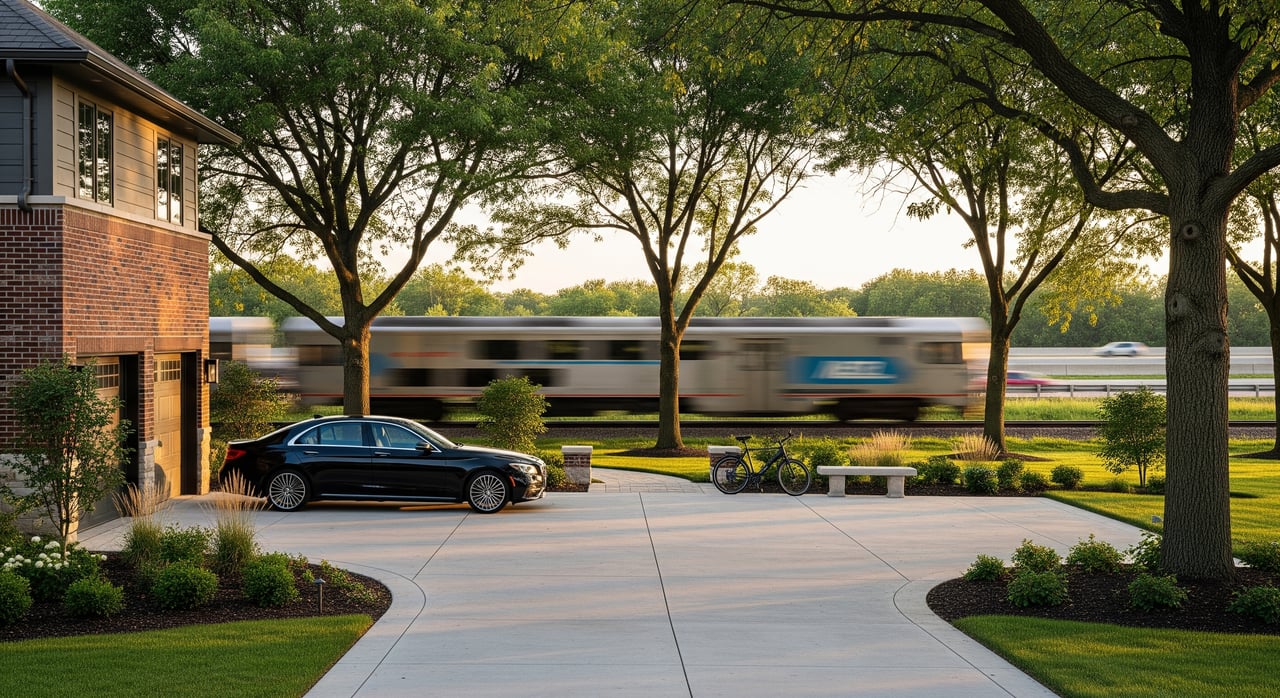
Naperville and Orland Park do offer rail access, but the pattern is still much more park-and-ride than walk-and-go. In Naperville, Metra’s station page lists BNSF service, 1,652 parking spaces, and Pace route connections.
Orland Park is served by Metra’s SouthWest Service, including stations at 143rd Street, 153rd Street, and 179th Street. Even with that access, the commute data still points to a much stronger drive-alone culture than in Chicago.
For many homeowners, that is not a downside. If you prefer a detached home, garage parking, and a routine built around driving, suburban living may line up well with what you want.
Which Market Fits Your Priorities?
If you are trying to choose between Chicago and the southwest suburbs, it helps to focus on the tradeoffs that matter most to you.
Choose Chicago if you value
- More transit access
- More walkability
- A wider mix of condos, multifamily, and smaller homes
- Easier car-light or car-free living
- Urban housing options with older and more varied housing stock
Choose Naperville or Orland Park if you value
- More detached single-family homes
- More rooms and larger bedroom counts
- Newer housing stock on average
- Higher owner-occupancy rates
- A day-to-day routine that works well with driving
Within the suburbs, Naperville tends to be the higher-priced option in the current data, while Orland Park offers a lower median sales price and a strong owner-occupied, detached-home profile. That makes both worth considering, depending on your budget and the kind of home you want.
The Bottom Line for Homeowners
There is no one-size-fits-all answer here. Chicago offers a more urban homeowner experience with stronger transit access, a broader mix of housing types, and more options for buyers who do not want to depend on a car. Naperville and Orland Park offer a more suburban experience with more detached housing, larger homes, and a daily rhythm that usually centers on driving.
If you are weighing these options, the best move is to compare not just prices, but also how each area supports your routine, space needs, and long-term goals. If you want local guidance on buying or selling in Chicagoland, connect with Timothy Good for practical advice, responsive service, and neighborhood insight tailored to your move.
FAQs
How does Chicago compare with southwest suburbs for home size?
- Chicago homes are smaller on average, with a median of 4.7 rooms, while Naperville has 7.2 median rooms and Orland Park has 6.5.
How does Chicago compare with Naperville and Orland Park for home prices?
- CMAP reports median residential sales prices of $323,500 in Chicago, $460,000 in Naperville, and $311,000 in Orland Park.
Which area is easier for homeowners without a car, Chicago or the southwest suburbs?
- Chicago is much easier without a car, with far higher transit use and a much larger share of households that do not have a vehicle.
Which market has more detached single-family homes, Chicago or the southwest suburbs?
- Naperville and Orland Park have much higher shares of one-unit homes than Chicago, which has a much larger multifamily housing mix.
Which area has newer housing stock, Chicago or the southwest suburbs?
- Naperville and Orland Park have newer median housing stock, with median build years of 1989 and 1988 versus 1952 in Chicago.
Is Orland Park or Naperville a better value for buyers comparing suburban options?
- Based on current CMAP median sales price data, Orland Park has a lower median sales price than Naperville and Chicago, while still offering a strong detached-home, owner-occupied housing profile.