If you have ever walked a Chicago block and found yourself slowing down to admire a row of solid brick homes with wide front windows, detailed glass, and unmistakable curb appeal, you have probably spotted a classic Chicago bungalow. For many buyers, these homes offer a rare mix of character, practicality, and neighborhood identity that still feels relevant today. If you are thinking about buying one, or simply want to understand why they remain so popular, this guide will show you where to find classic Chicago bungalows and what makes them stand out. Let’s dive in.
What Defines a Classic Chicago Bungalow
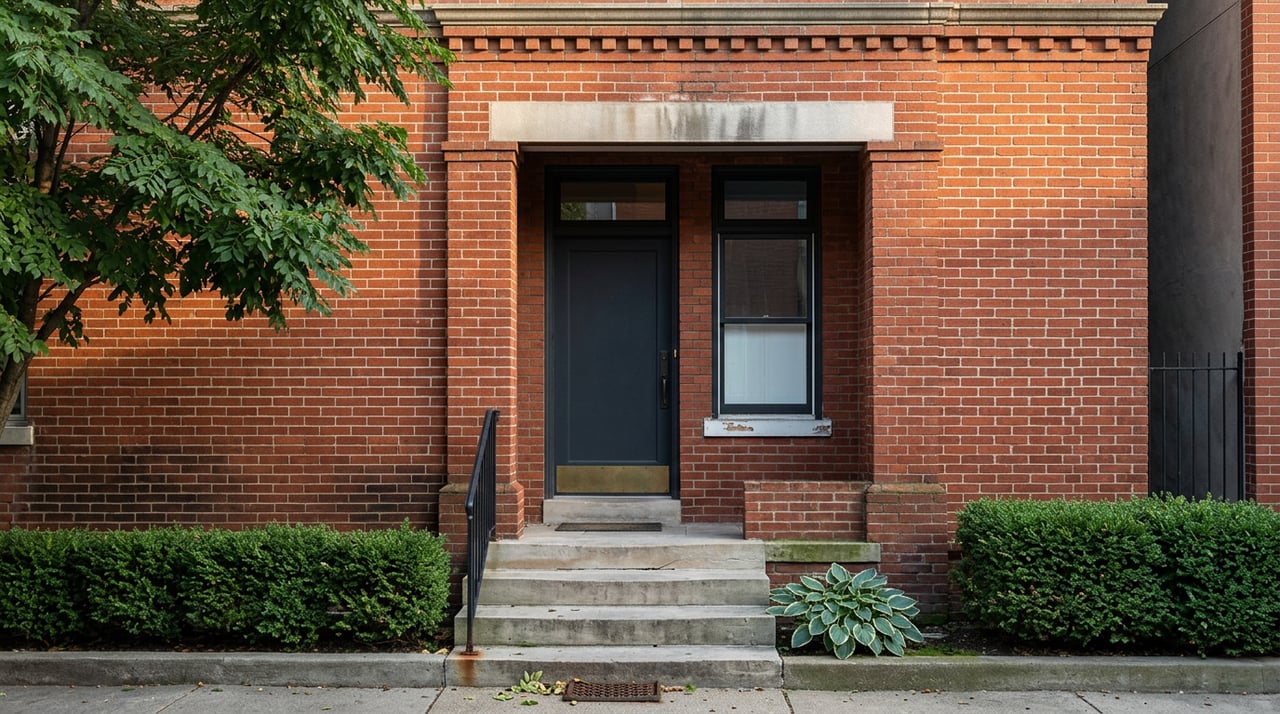
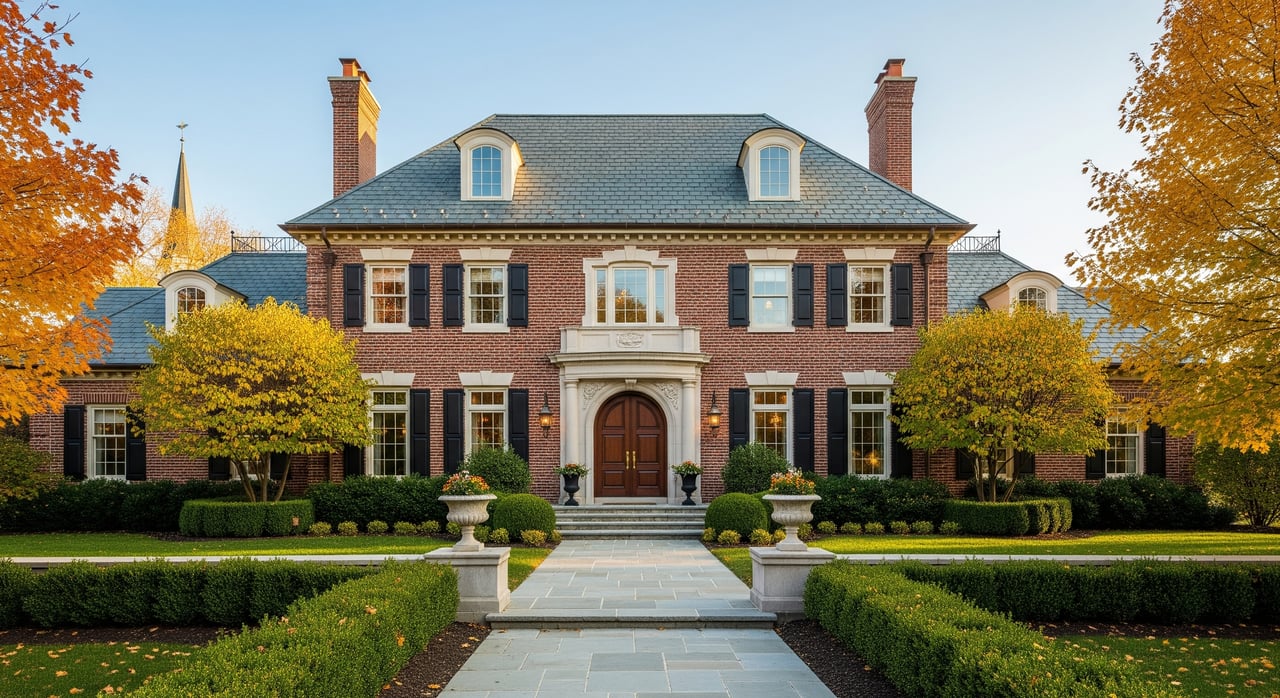
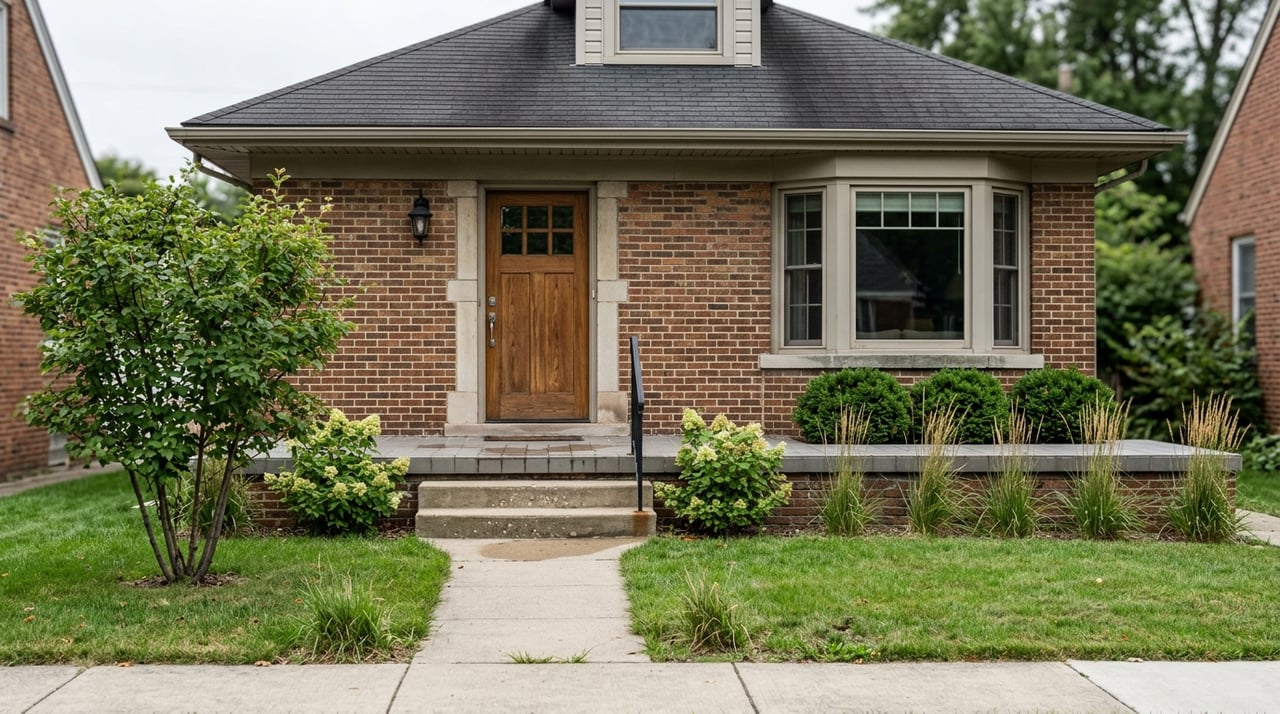
A classic Chicago bungalow is generally a brick home built from about 1910 through the mid-1930s. According to the Chicago Bungalow Association, these homes are typically 1½ stories tall, built over full basements, and designed with low-pitched hipped roofs, wide overhangs, generous windows, and a simple rectangular form influenced by Arts & Crafts design.
These homes were also made to fit Chicago’s standard 25-by-125-foot lots without feeling cramped. That design choice is a big reason they still appeal to buyers now. You get a layout that feels efficient, bright, and connected to the outdoors, often with less wasted hallway space than in many other older homes.
The scale matters too. The Chicago Bungalow Association notes that more than 80,000 bungalows still stand in the city, making up nearly one-third of Chicago’s single-family housing stock. That kind of presence gives bungalow neighborhoods a strong visual identity that is hard to miss.
Features Buyers Notice First
Classic Chicago bungalows have a look that is both consistent and full of subtle variety. Once you know what to look for, they become easy to spot.
Front bays and strong curb appeal
One of the signature details is the front bay, which often takes up a large part of the front façade. The Chicago Bungalow Association’s guide to bay styles highlights flat, polygonal, square, curved, and open-porch versions, all of which shape the home’s street presence.
This is one reason bungalow blocks feel so visually cohesive. Even when one home differs from the next, the rhythm of bays, porches, and window groupings creates a familiar pattern that gives the street a sense of continuity.
Brick, glass, and roofline details
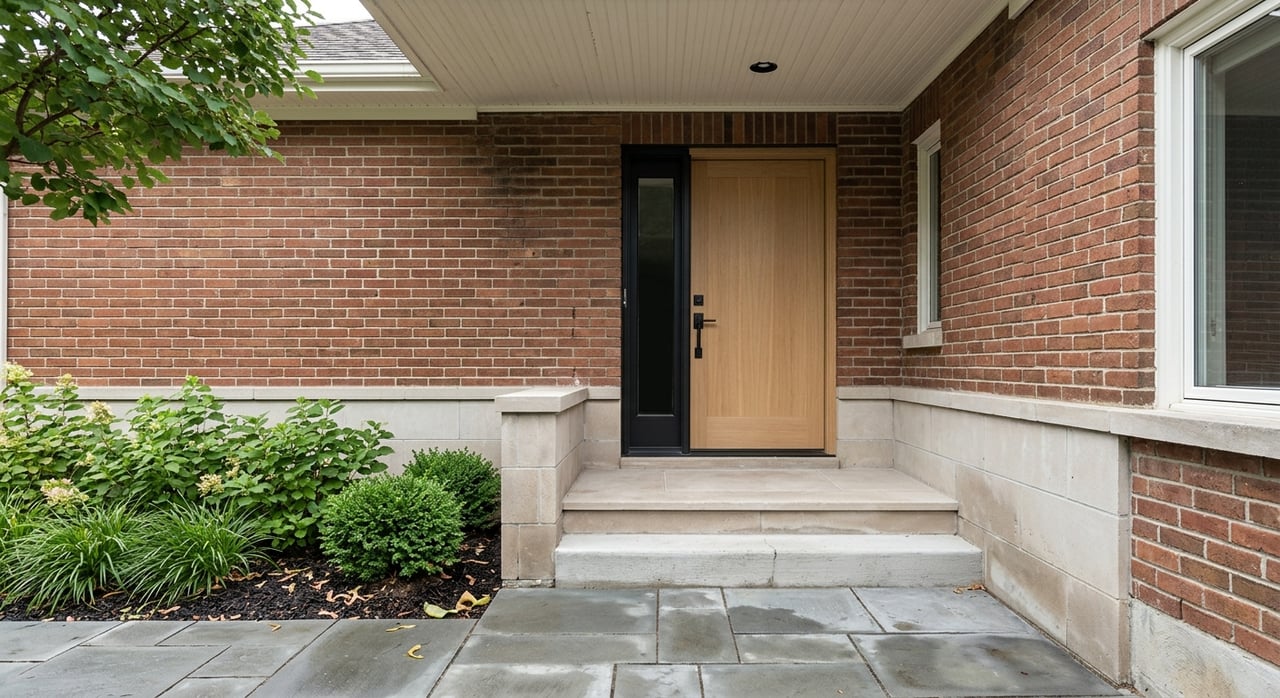
Brick texture is another big part of the style. The front of the home often uses more refined face brick, while the sides and rear may use Chicago Common brick, creating subtle variation in color and texture that adds to the home’s character.
Rooflines vary as well. While many bungalows have hipped roofs, the Chicago Bungalow Association’s roofline overview shows that gabled fronts, interrupted gables, and clipped gables are also part of the style.
You may also notice original art glass, limestone accents, and well-composed front windows. These details help preserve the historic look and are often the elements buyers fall in love with first.
Where To Find Chicago Bungalows
If you want to see classic Chicago bungalows in concentration, start with the city’s bungalow belt. The Chicago Bungalow Association describes this belt as circling the city from the far north side to the far south side.
The association also identifies several historic bungalow districts recognized for their architectural, historical, and cultural significance. These include Portage Park, Hermosa, Talman West Ridge, North Mayfair, Rogers Park Manor, Wrightwood, Schorsch Irving Park, Gage Park, Auburn Gresham, West Chatham, Brainerd, South Shore, Avalon Park, and South Park Manor.
For buyers, that means you have options in very different parts of the city. Your best fit may depend not just on the house itself, but also on access to parks, lakefront areas, transit, restaurants, and the overall pace of the neighborhood.
Neighborhoods With Strong Bungalow Appeal
Some neighborhoods stand out because they combine classic housing stock with clear lifestyle advantages.
Portage Park
Choose Chicago’s Portage Park guide describes the area as a neighborhood with vintage charm and history, and it specifically notes that it is packed with classic Chicago-style bungalows. The neighborhood also offers a large park, the Portage Theater, the Patio Theater, the National Veterans Art Museum, and a regular farmers market.
For buyers who want strong architectural character and everyday amenities, Portage Park often comes up quickly in the search. It shows how bungalow living can be about both the house and the surrounding community experience.
Rogers Park
In Rogers Park, the appeal shifts toward the lakefront and transit access. Choose Chicago highlights Loyola Beach, a strong arts scene, global dining, the Glenwood Avenue Arts District, and nearby CTA access.
That mix can be especially attractive if you want a home with historic character while staying connected to the lake and the broader city. Rogers Park also shows how bungalow neighborhoods can offer a very different lifestyle feel from one part of Chicago to another.
South Shore
South Shore is another area worth watching if you love architecture and lakefront access. Choose Chicago points to Rainbow Beach Park, the South Shore Cultural Center, lakefront views, and the area’s architectural character, particularly in Jackson Park Highlands.
For some buyers, South Shore’s appeal is the combination of classic homes, outdoor access, and strong visual character. It is a good reminder that bungalow appeal often extends beyond the structure itself.
Why Buyers Still Love Chicago Bungalows
The appeal of a classic Chicago bungalow goes beyond nostalgia. These homes were designed in a way that still works for modern living.
First, they were built to bring in light, provide usable living space, and connect indoor rooms with the outdoors. Their layout often supports main-level living, which many buyers still value today.
Second, they offer a clear sense of permanence. Brick construction, full basements, and durable architectural details give many bungalows a solid feel that buyers notice right away.
Third, they tend to sit on blocks with a strong visual identity. Because many homes were built in the same era, streets can feel cohesive without feeling repetitive. Differences in bay shape, brick color, roofline, and ornament keep the homes interesting while preserving the rhythm of the block.
What Chicago Bungalows Cost
Pricing can vary widely depending on neighborhood, lot size, condition, and whether the home has been renovated or expanded. That makes location especially important when you start comparing options.
Based on current Redfin neighborhood medians as of March 2026, bungalow-heavy areas span a broad range. In the lower-to-mid range, South Shore was $187,500, Gage Park was $220,000, Auburn Gresham was $232,000, and Rogers Park was $250,000. In a higher band, Belmont Cragin was $403,000, Portage Park was $433,000, and Jefferson Park was $498,000.
These are neighborhood-wide medians across all home types, not bungalow-only prices. Still, they provide useful context if you are deciding where to focus your search. In general, bungalow areas on the South and Southwest sides tend to sit at the lower end of the current range, while Northwest and North Side areas can run higher.
What To Inspect Before You Buy
If you are shopping for a Chicago bungalow, character should not be the only thing on your checklist. It helps to look at how well the home has preserved its original identity and how thoughtfully it has been updated over time.
Check the street-facing character
The best-preserved homes usually keep the front-facing elements intact. According to the Chicago Bungalow Association, details like the bay, porch, brickwork, and roofline should still read clearly as a classic Chicago bungalow from the street.
Rear additions are common, and in many cases they are a practical way to add space. If preserving the historic look matters to you, pay close attention to whether the main façade still feels balanced and true to the home’s original style.
Look at basement and attic potential
Space matters in bungalow living, and some of the best opportunities are below or above the main floor. The Chicago Bungalow Association’s finished basement guidance explains how basements are often adapted for bonus living areas, storage, utility space, or related uses.
Attics and rear porch areas can also affect long-term flexibility. If you want room to grow, these parts of the house may shape your options more than square footage numbers alone.
Understand the tradeoff of major expansions
Some buyers love a home that keeps its original massing. Others prefer more interior space and are open to exterior changes.
A visible second-story pop top can add square footage, but Preservation Chicago notes that it also changes the historic scale of the home and block. There is no universal right answer here. It comes down to whether you prioritize original exterior character or added space.
How To Narrow Your Search
If you are serious about buying a bungalow in Chicago, start by deciding what matters most to you:
- Original architectural details
- Updated kitchens and baths
- Basement or attic expansion potential
- Lakefront, park, or transit access
- A specific price range
- A block with a more traditional bungalow streetscape
Once you know your priorities, it becomes much easier to compare neighborhoods and individual homes. A bungalow search is rarely just about square footage. It is about finding the right balance between character, condition, layout, and location.
If you are exploring Chicago bungalows and want help narrowing down neighborhoods or comparing home styles, connect with Timothy Good. You will get thoughtful, responsive guidance that helps you focus on the homes and areas that best fit your goals.
FAQs
Where can you find classic Chicago bungalows in Chicago?
- Classic Chicago bungalows are concentrated in the city’s bungalow belt, with recognized historic bungalow districts that include Portage Park, Hermosa, Rogers Park Manor, Gage Park, Auburn Gresham, South Shore, Avalon Park, and several others identified by the Chicago Bungalow Association.
What makes a house a classic Chicago bungalow?
- A classic Chicago bungalow is typically a brick 1½-story home built from about 1910 to the mid-1930s, usually with a full basement, low-pitched roof, wide overhangs, generous windows, and a simple rectangular form.
Why do Chicago bungalows still appeal to buyers?
- Chicago bungalows appeal to buyers because they combine durable brick construction, efficient layouts, historic details, and strong neighborhood identity, often with access to parks, transit, lakefront areas, and local amenities.
Are Chicago bungalows always brick homes?
- According to the Chicago Bungalow Association, the classic Chicago bungalow is brick, although related bungalow forms such as frame or stucco predecessors and Detroit-style variants also exist.
How much do homes in Chicago bungalow neighborhoods cost?
- Prices vary by neighborhood, but current neighborhood medians in bungalow-heavy areas range from under $200,000 in some markets to nearly $500,000 in others, depending on location and overall housing stock.
Can a Chicago bungalow be updated without losing its character?
- Yes, many bungalows can be modernized while keeping their appeal, especially when the front façade remains visually consistent and updates are focused on basements, rear spaces, or other less prominent areas.