Trying to choose between Orland Park and the nearby southwest suburbs? You are not alone. Many buyers want the right mix of home options, commute convenience, recreation, and everyday amenities without feeling like they have to compromise too much. This guide breaks down how Orland Park compares with Tinley Park, Palos Heights, Mokena, and Homer Glen so you can narrow your search with more confidence. Let’s dive in.
Why Orland Park Stands Out
Orland Park is one of the most balanced choices in the southwest suburban corridor. It offers a broad housing mix, multiple transit connections, and a stronger amenity base than many nearby communities. If you want a conventional suburban setting with more than one lifestyle path, Orland Park gives you room to explore.
Village planning also points to long-term evolution, especially near the 143rd Street Metra station. Orland Park’s downtown plan is focused on a more pedestrian-friendly district with retail, entertainment, office, and residential uses. For buyers, that can matter because it signals continued investment in a more connected town center.
Housing Options by Suburb
Orland Park Housing Mix
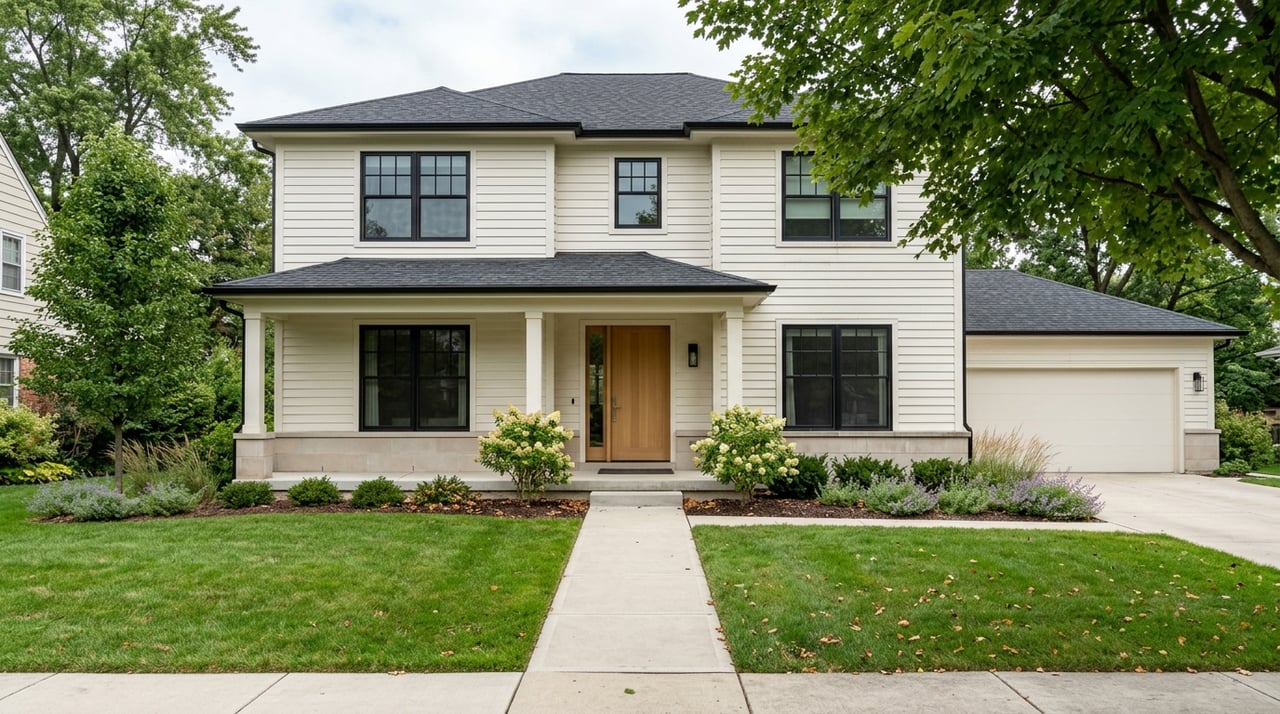
Orland Park is still known for detached suburban neighborhoods, but it is not limited to one type of home. The village’s land-use and housing framework includes single-family detached homes, attached homes like townhomes, condos, duplexes, and apartment buildings. A 2024 village action also moved to allow townhomes in the Old Orland Historic District near downtown and the train station.
That makes Orland Park a strong fit if you want choices. Whether you are looking for a traditional single-family home or something lower maintenance near a more active area, Orland Park offers a middle ground that many buyers appreciate.
Tinley Park Housing Mix
Tinley Park is the most clearly mixed option in this group. Its zoning includes multiple residential districts across lower, medium, and higher densities, along with mixed-use overlays. In practical terms, buyers often see a wider spread of attached homes, condos, and denser pockets near commercial corridors and rail stops.
If housing variety is your top priority, Tinley Park is one of Orland Park’s closest competitors. It may appeal to you if you want more compact housing options tied to active commercial areas.
Palos Heights Housing Mix
Palos Heights has a more established and more single-family-focused profile. According to its comprehensive plan, 61.0% of housing units are single-family detached and 21.7% are single-family attached, while the rest are split between 2-unit and 3+ unit housing. The same plan notes that few multi-family developments are present.
For buyers, that often translates to a quieter and more built-out residential environment. If you prefer an older housing stock and a smaller-scale setting, Palos Heights may feel like a better fit than Orland Park.
Mokena Housing Mix
Mokena’s current residential construction guidance references single-family detached and attached homes. Village materials also highlight undeveloped land sites and a downtown station area plan. That suggests a lower-density market with a stronger new-construction feel than Orland Park or Tinley Park.
If you are drawn to newer housing patterns and a less built-up setting, Mokena may deserve a closer look. It can be a good option for buyers who want a suburban layout that still has room to grow.
Homer Glen Housing Mix
Homer Glen stands out for its semi-rural identity. Village materials describe a rural atmosphere with open space, agricultural settings, and large lots, and the comprehensive plan says large-lot subdivisions should continue to predominate.
That makes Homer Glen the clearest match if land and breathing room are at the top of your list. Compared with Orland Park, it offers a less intensive development pattern and a more open backdrop.
Commute and Transportation Differences
Orland Park Transit and Access
Orland Park has three SouthWest Service Metra stations: 143rd Street, 153rd Street, and 179th Street. It also has Pace Route 379, which connects Orland Park with Midway, Moraine Valley College, and Orland Square, plus Route 832 linking Joliet, Orland Park, Homer Glen, and the 153rd Street station.
That mix gives Orland Park more than one commute path. If you value rail, bus, and cross-suburban access, Orland Park is one of the more flexible options in this part of the market.
Tinley Park Transit and Access
Tinley Park is a serious alternative if transit flexibility matters to you. It has two Rock Island Metra stations, Tinley Park/Oak Park Ave. and Tinley Park/80th Avenue, and Pace Route 386 serves Tinley Park, Orland Park, Palos Heights, and nearby communities while connecting to Metra and CTA Midway.
For some buyers, that makes Tinley Park the strongest transportation competitor to Orland Park. If your search starts with station access, both suburbs deserve attention.
Palos Heights Transit and Access
Palos Heights has its own SouthWest Service station and access to Pace Route 386. At the same time, the city’s comprehensive plan says most people drive alone to access the city.
So while transit is available, Palos Heights functions more like a driving suburb in daily life. If you want transit as a backup rather than the center of your routine, that may work well for you.
Mokena Transit and Access
Mokena leans more heavily into road access. The village highlights direct access to I-80 and convenient access to I-355, I-57, and I-294, along with two Metra Rock Island stations with commuter parking lots.
That setup works well if you care most about highways and park-and-ride convenience. Compared with Orland Park, Mokena may feel more car-oriented and less centered on walkable transit areas.
Homer Glen Transit and Access
Homer Glen is also car-first, but for a different buyer profile. The village highlights two I-355 interchanges and access to I-55 and I-80, while Pace Route 832 connects Homer Glen to Orland Park and Joliet.
If your routine is mostly driving, Homer Glen may still make sense. Just expect bus service to play more of a secondary role than it does in Orland Park.
Parks and Everyday Amenities
Orland Park Recreation
One of Orland Park’s biggest advantages is its amenity base. The village operates Centennial Park Aquatic Center and the Orland Park Health & Fitness Center, which includes pools, an indoor track, group classes, and childcare. It also maintains trail connections tied to the Metra station area and forest preserve corridors.
For buyers, that can shape day-to-day life in a real way. Orland Park tends to feel more amenity-rich than many lower-density nearby suburbs, especially if you want recreation options built into your routine.
Tinley Park Recreation
Tinley Park brings a very active recreation lineup. The Tinley Park Park District includes the Tony Bettenhausen Recreation Center, White Water Canyon Water Park, Tinley Junction Miniature Golf, the Vogt Visual Arts Center, Canine Campus dog park, and the Tinley Park Performing Arts Center.
If you want a busier activity calendar and more arts-focused amenities, Tinley Park has a clear edge. Buyers comparing the two often weigh Tinley’s activity density against Orland Park’s broader all-around balance.
Palos Heights Recreation
Palos Heights has a quieter amenity profile. Olde Palos serves as the city’s commercial center, Lake Katherine is a signature local feature, and the parks plan references seven evenly distributed parks plus neighborhood and community park facilities.
That gives Palos Heights a more compact and established feel. If you prefer nature and a smaller-scale commercial core over larger retail nodes, it may stand out to you.
Mokena Recreation
Mokena’s recreation profile is anchored by the Mokena Community Park District campus, The Oaks Recreation & Fitness Center, and Hickory Creek Preserve. Village materials also support a smaller downtown feel through customer parking and a local dining guide.
For buyers, Mokena can feel more local and less commercially intense than Orland Park. That may be appealing if you want amenities without the scale of a larger retail corridor.
Homer Glen Recreation
Homer Glen is the standout for open space. The village has 13 parks, 17 miles of multi-use trails, and more than 1,300 acres of public land managed by the Will County Forest Preserve District.
If your ideal lifestyle includes trails, preserved land, and a less developed setting, Homer Glen is hard to ignore. Compared with Orland Park, it offers a stronger open-space identity.
Which Suburb Fits Your Priorities?
If you want the broadest balance of housing choices, recreation, and transportation options, Orland Park is the strongest all-around pick in this group. It gives you detached neighborhoods, attached housing options, an evolving downtown area, and multiple transit connections. That combination is hard to match in one place.
Tinley Park is a strong alternative if you want a denser mix of housing and a busier recreation and arts scene. Palos Heights may fit best if you prefer an older, quieter, and more established setting. Mokena is a good match for buyers who want a newer-feeling, highway-oriented suburb, while Homer Glen is ideal if you want larger lots and more open space.
How to Narrow Your Search
The best suburb for you depends on how you live day to day. Before you tour homes, think about which of these factors matters most:
- Housing type: Detached home, townhome, condo, or a mix of options
- Commute style: Train access, bus access, highway convenience, or mostly driving
- Amenities: Fitness, water parks, trails, retail, dining, or open space
- Setting: Built-out and established, mixed-use and evolving, or lower-density and quieter
Once you know your priorities, the search becomes much clearer. Instead of asking which suburb is best overall, you can focus on which one fits your lifestyle best.
If you are comparing Orland Park with nearby southwest suburbs and want local guidance grounded in how these communities actually feel block by block, Timothy Good is here to help you sort through the options and find the right fit.
FAQs
How does Orland Park compare to Tinley Park for homebuyers?
- Orland Park offers a broad balance of housing, recreation, and transit options, while Tinley Park stands out for its mixed housing patterns, strong station access, and busy recreation and arts lineup.
Is Orland Park a good choice for buyers who want different housing types?
- Yes. Village materials show a mix that includes single-family homes, townhomes, condos, duplexes, and multi-family residences, making it more flexible than some nearby suburbs.
What makes Palos Heights different from Orland Park for buyers?
- Palos Heights is more established and more concentrated in single-family housing, with a quieter feel and a smaller commercial core centered around Olde Palos.
Is Mokena more car-oriented than Orland Park?
- Yes. Mokena emphasizes direct highway access and commuter parking at its Metra stations, which makes it especially appealing for buyers who prioritize driving and park-and-ride convenience.
Why do some buyers choose Homer Glen over Orland Park?
- Buyers often choose Homer Glen for its large-lot pattern, open space, trail network, and less developed setting.
Does Orland Park have a walkable downtown area?
- Orland Park’s downtown plan is centered on the 143rd Street Metra station and is intended to create a more pedestrian-friendly district with retail, entertainment, office, and residential uses.