Thinking about trading Chicago’s fast pace for more space in Orland Park? That move can feel exciting and a little hard to picture at the same time. If you want to know how daily life, housing, commuting, and errands really change when you head southwest, this guide will help you understand what to expect before you make the move. Let’s dive in.
Orland Park Feels More Suburban
One of the biggest differences you will notice is the overall pace. Orland Park is a 2025-estimated village of 57,954 people spread across 22.03 square miles, which creates a much lower-density feel than many Chicago neighborhoods. The data also points to stability, with 90.3% of residents living in the same house one year earlier and an owner-occupancy rate of 85.8%.
For you, that often translates into quieter residential areas, more separation between homes, and a stronger suburban rhythm. Instead of a dense street grid and constant foot traffic, you are more likely to experience subdivisions, local parks, and driving between destinations. If you are craving breathing room, that can be a major plus.
Homes Usually Offer More Space
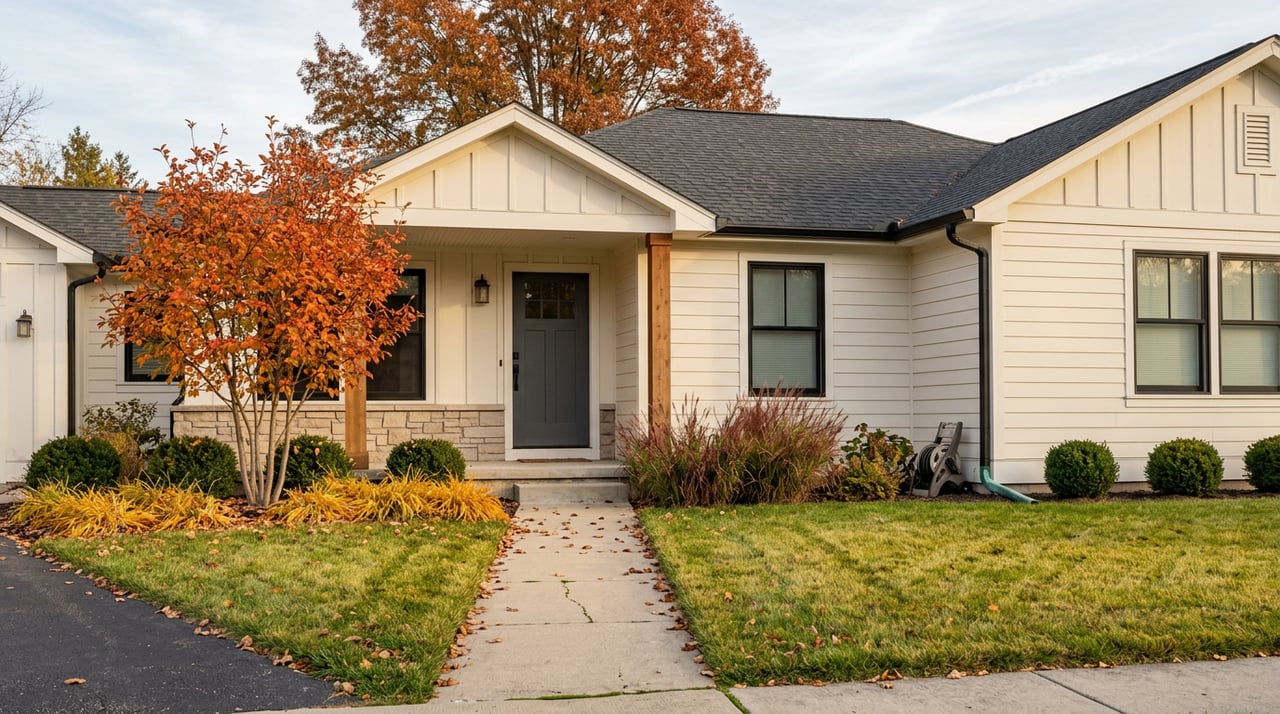
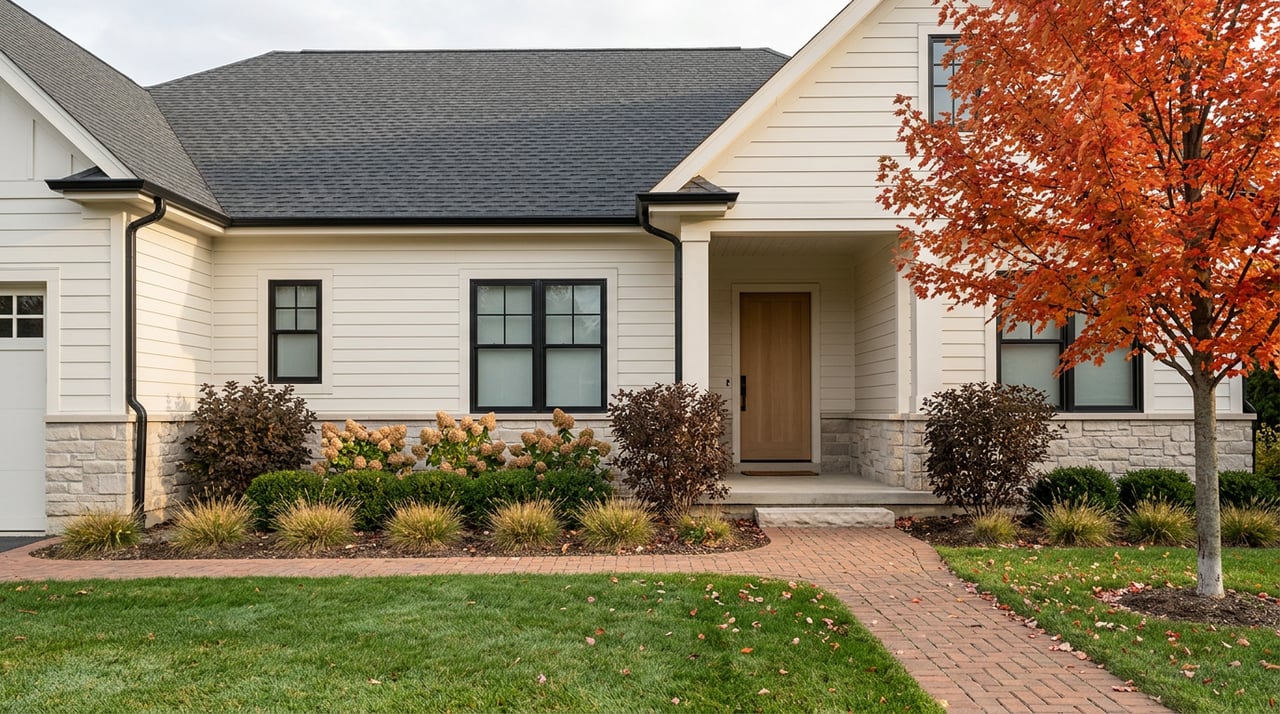
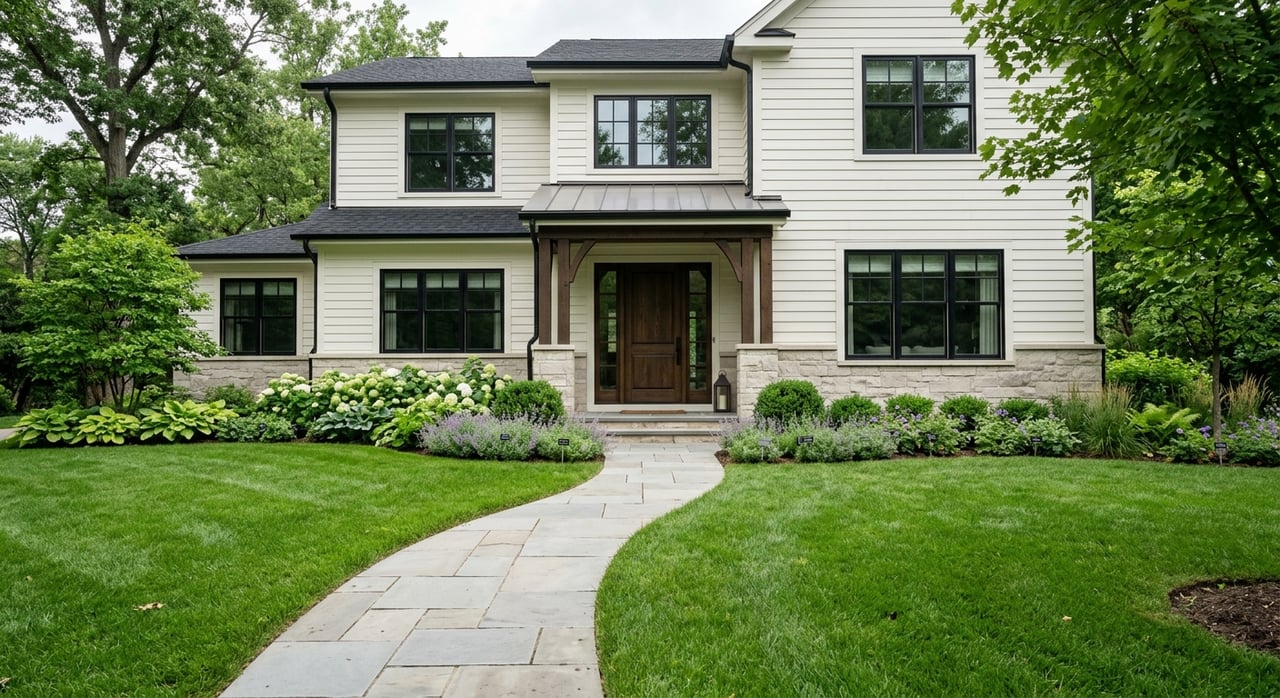
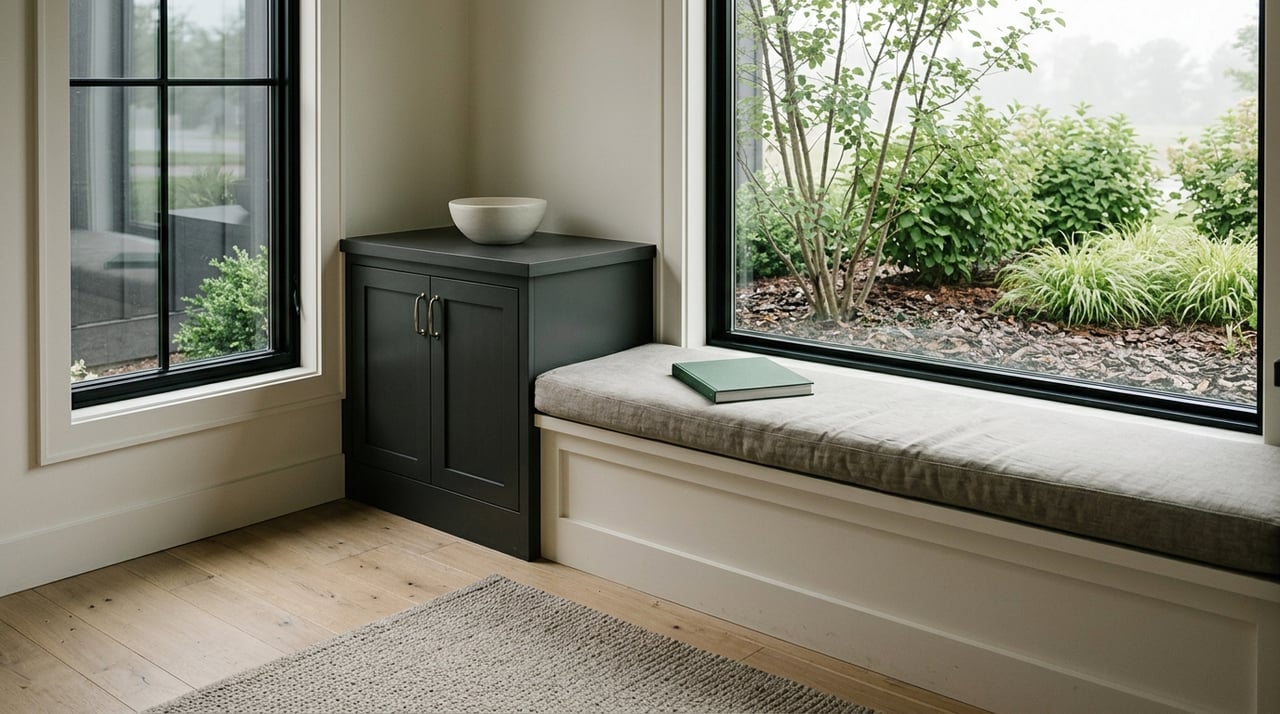
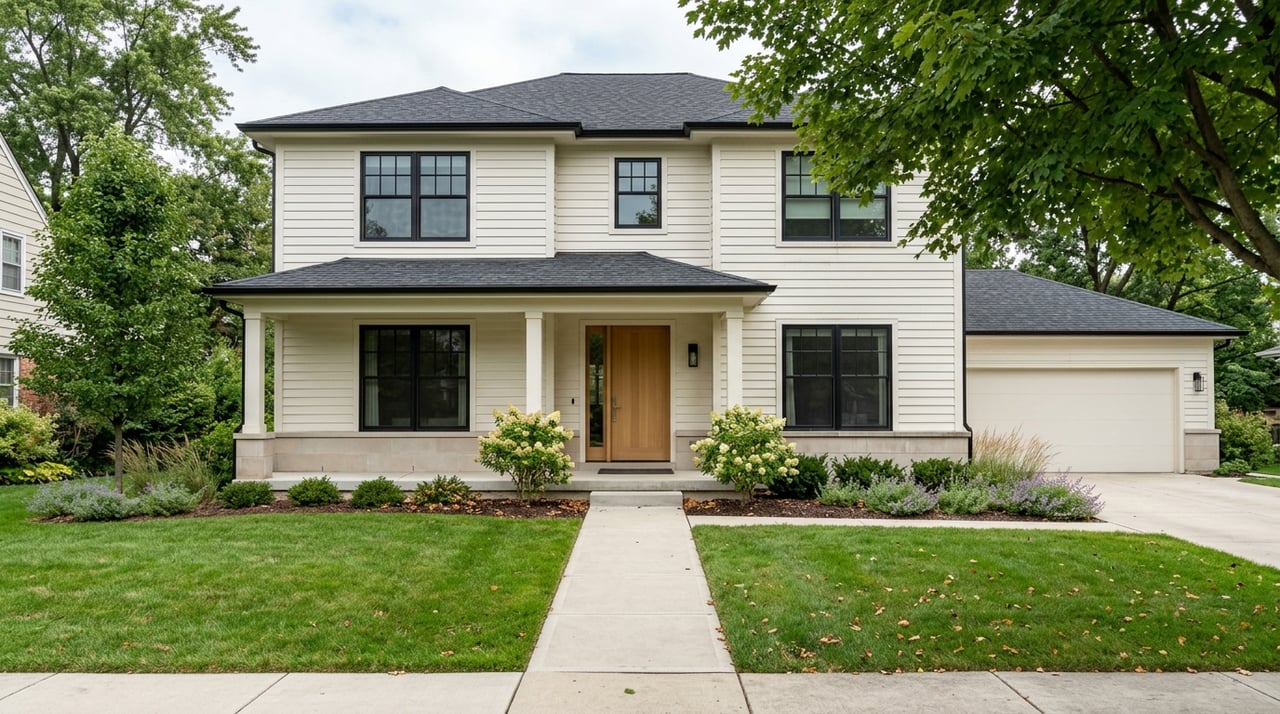
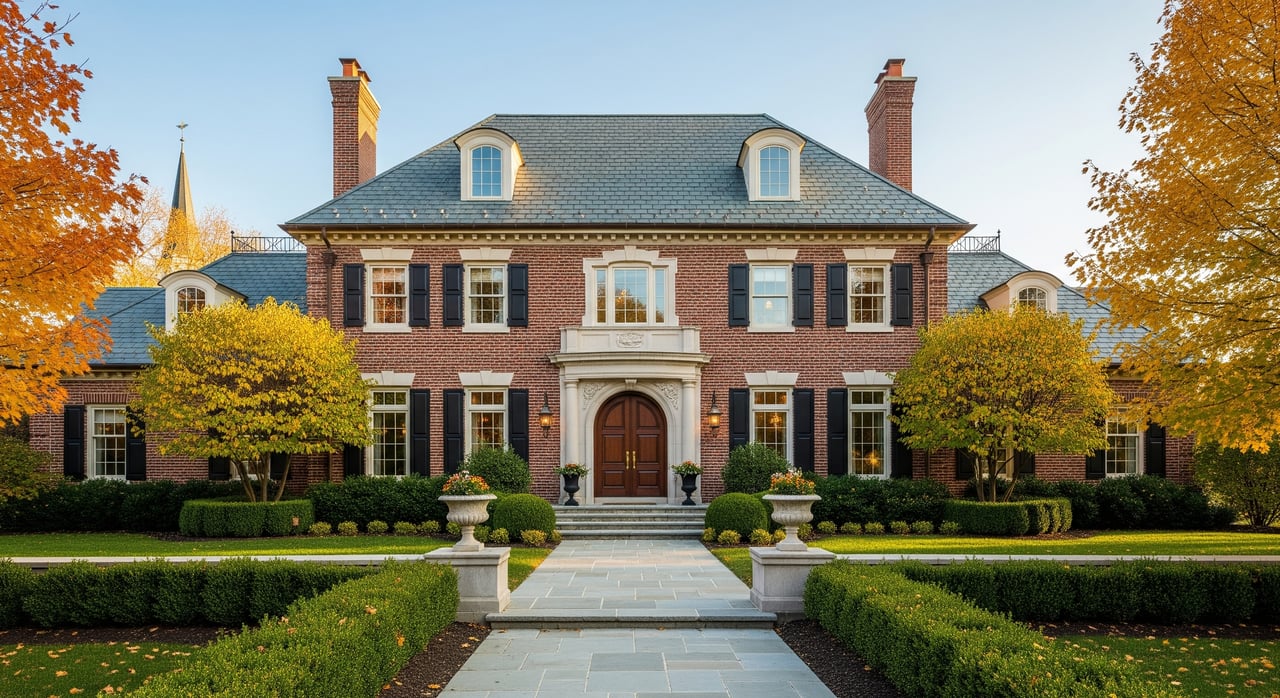
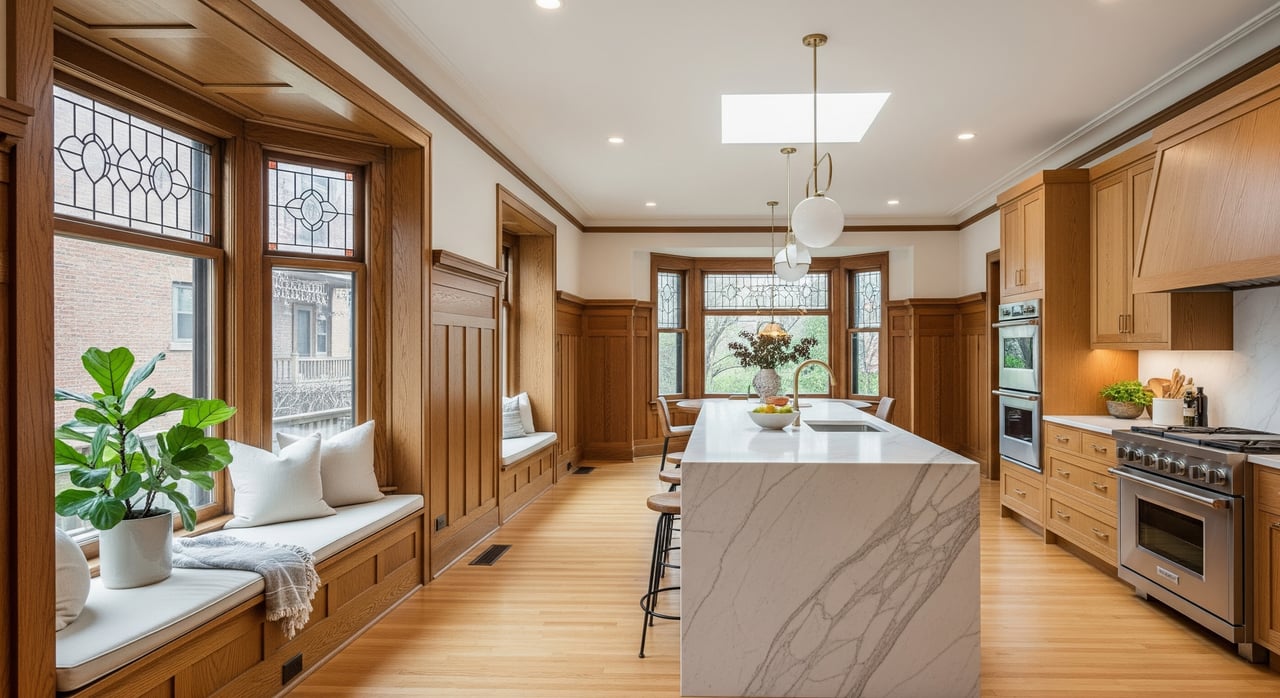
If you are moving from Chicago, the housing stock in Orland Park may feel noticeably larger. CMAP data shows that 57.5% of homes are single-family detached and 21.1% are single-family attached. The median number of rooms is 6.5, compared with 5.1 in Cook County.
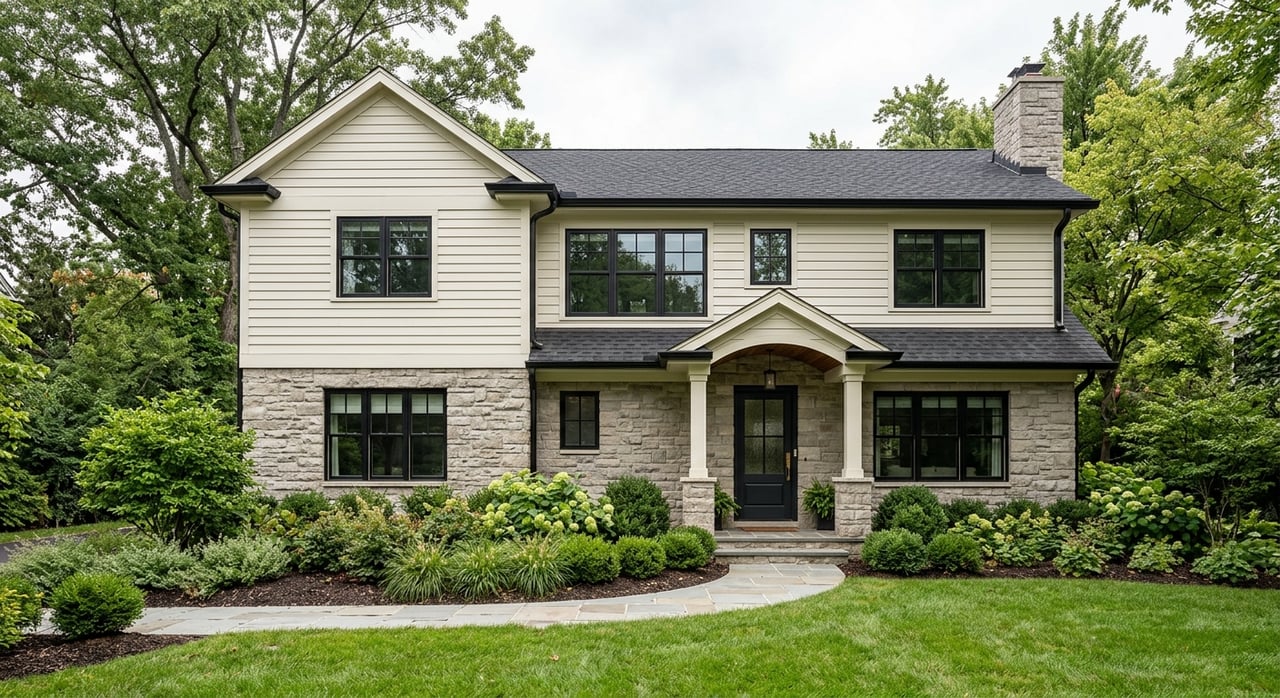
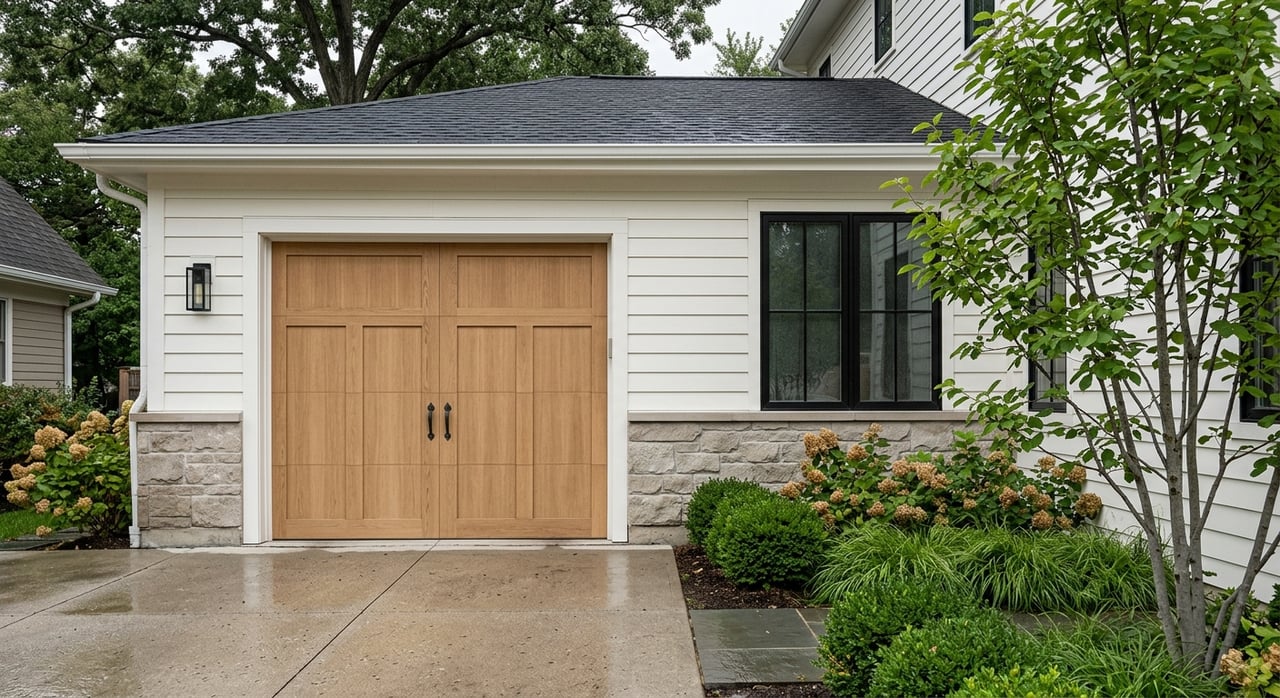
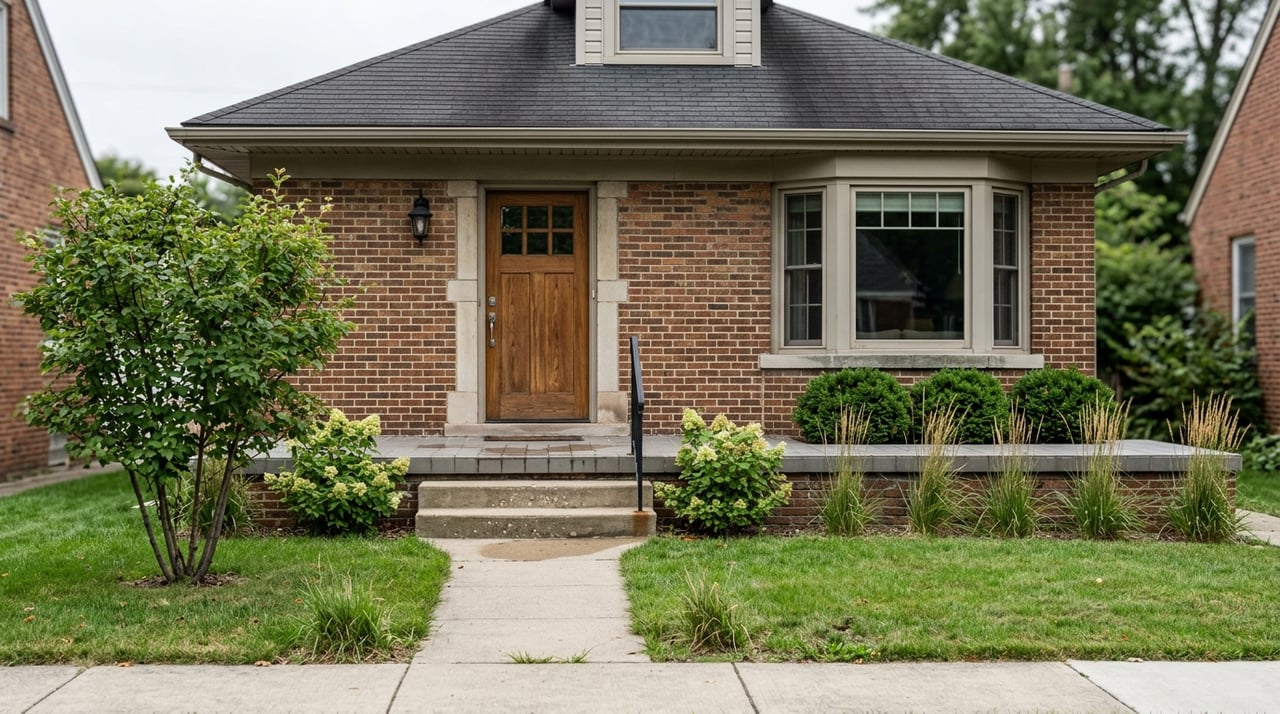
That means your home search may include more properties with larger layouts, yards, attached garages, and a more traditional suburban setup. The median year built is 1988, so much of the housing reflects newer suburban development patterns rather than older urban building stock. If extra room is one of your goals, Orland Park is built in a way that supports it.
Neighborhood Layout Is Less Walkable
The land-use mix helps explain why Orland Park feels different from Chicago. According to CMAP, 37.9% of land is single-family residential, 12.7% is open space, and 8.1% is commercial. That mix supports a landscape of homes, parks, and retail corridors instead of tightly packed mixed-use blocks.
In practical terms, you may walk less for everyday errands than you did in the city. Many destinations are spread out, and parking is part of the routine. For some buyers, that is an adjustment. For others, it is exactly what they want.
Driving Becomes Part of Daily Life
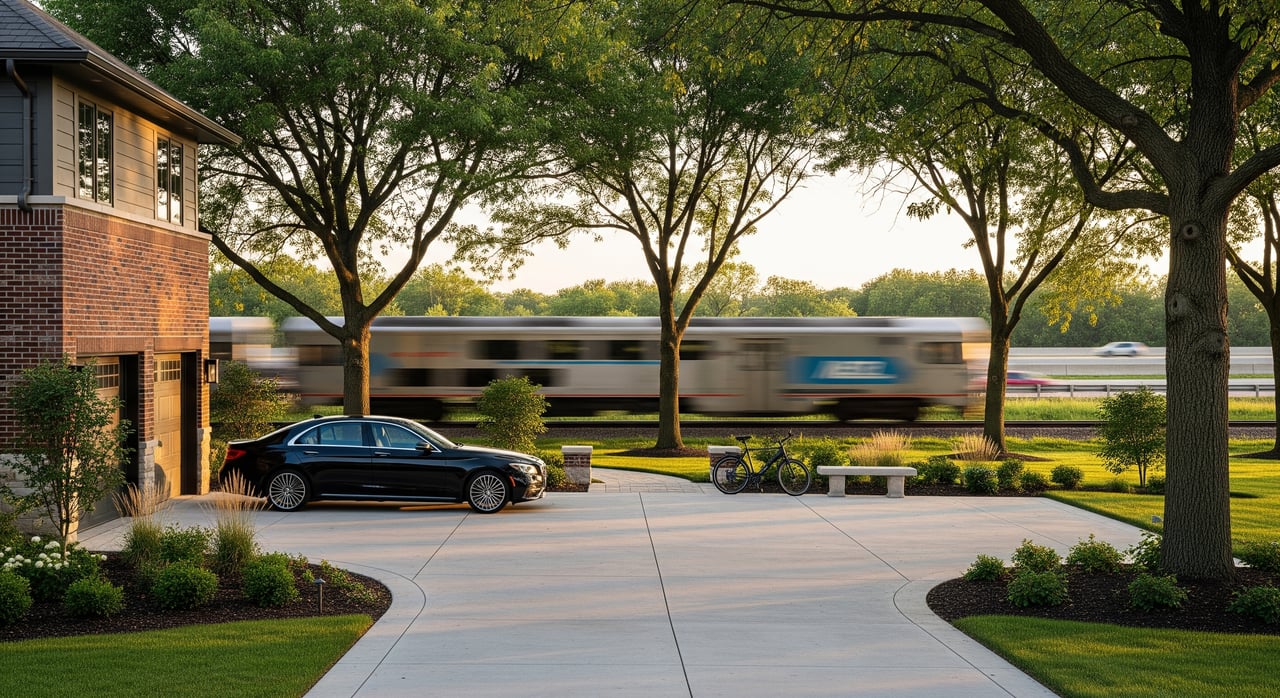
One of the clearest lifestyle changes is transportation. Orland Park is a car-first suburb, with 71.6% of workers driving alone according to CMAP’s 2019-2023 data. Just 3.7% used transit, while only 1.1% walked or biked, and 3.9% of occupied households had no vehicle available.
If you are used to building your day around CTA access, this shift matters. In Orland Park, driving is usually the default for commuting, errands, dining, and activities. You will likely think more about parking, travel times, and route options than you do now in Chicago.
Commuting to Chicago Is Still Possible
Moving to Orland Park does not mean losing access to downtown Chicago, but your commute may look different. The mean commute time is 33.7 minutes, and many residents rely on a car for at least part of the trip. If you still head into the city for work or events, planning ahead becomes more important.
Metra gives you a rail option through the SouthWest Service. Orland Park is served by stations at 143rd Street, 153rd Street, and 179th Street, all with service to Union Station. The village also lists commuter parking at all three Metra lots, which fits the park-and-ride pattern common in the area.
Pace also helps fill in some gaps. Route 379 runs daily between the CTA Orange Line at Midway, Moraine Valley College, and Orland Square. Route 832 provides weekday service between Joliet and Orland Park, including Orland Square Mall and the 153rd Street Metra station.
Errands Are More Centralized
If you are coming from a Chicago neighborhood where stores, coffee shops, and restaurants are woven into the blocks around you, Orland Park may feel more concentrated. Retail is centered in major shopping corridors rather than scattered across walkable commercial strips. That changes how your weekly routine flows.
Orland Square is one of the biggest retail anchors in the area, with more than 150 shops, dining options, and free parking at 151st Street and La Grange Road. The village also identifies the 159th Street and La Grange Road area as its main shopping district and notes that Orland Park has been a regional retail destination for decades. For you, that often means bundling errands into one trip rather than walking to one stop at a time.
Parks and Recreation Play a Bigger Role
A move from Chicago to Orland Park is not only about square footage. It is also about how you spend your time close to home. Recreation is a major part of daily life here, and that can be a meaningful quality-of-life change.
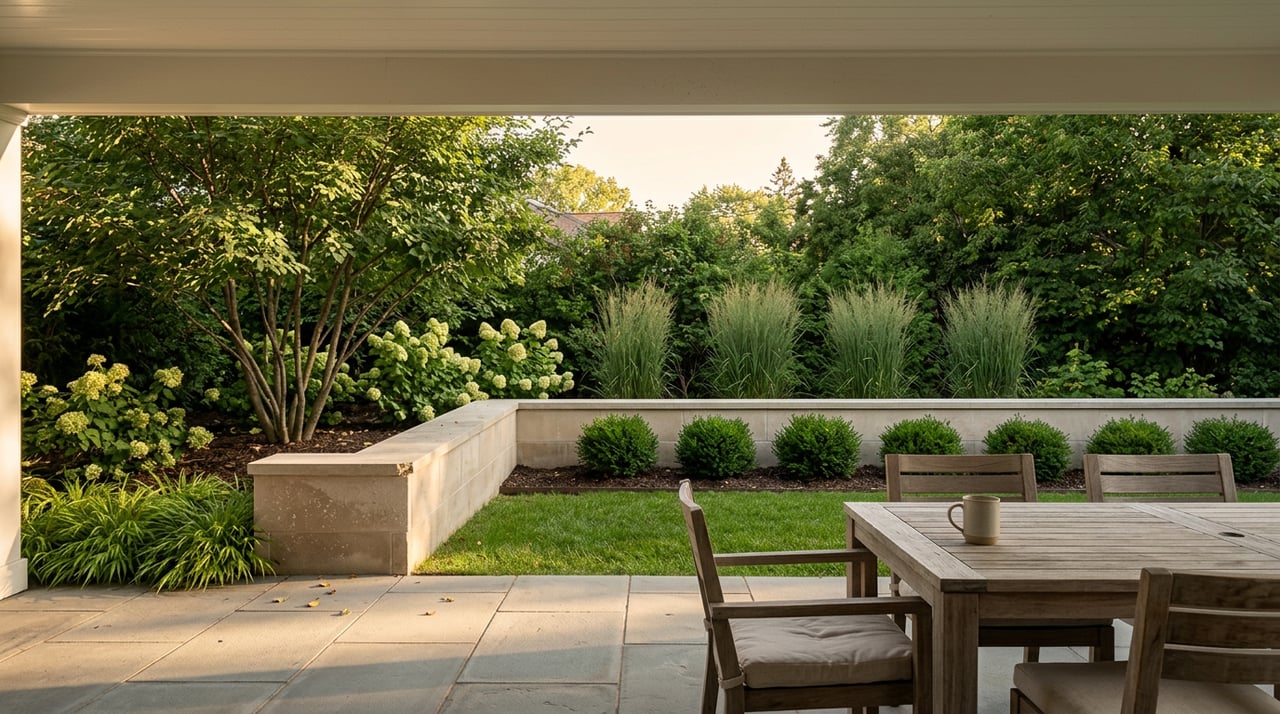
The village says Orland Park has more than 650 acres of park land, along with seasonal programs, special events, fitness centers, an aquatic center, and heritage sites. That level of park and recreation infrastructure gives residents more built-in options for outdoor time and community activities. If you want a suburb where recreation is part of the local identity, Orland Park stands out.
The trail system adds to that appeal. The village’s bike and walking path map includes routes such as the 143rd Metra Station, La Grange Road, and Colonial Park trail, along with the 80th Avenue, 151st Street, and Tinley Creek Forest Preserve system. If you picture more walks, bike rides, and park access in your routine, this is one of the stronger lifestyle advantages of the move.
Cost Looks Different Than Chicago
Your housing budget may stretch differently in Orland Park, but the equation depends on whether you are buying or renting and what you need in a home. The Census reports a median owner-occupied home value of $367,200. Median monthly owner costs are $2,427 with a mortgage, and median gross rent is $1,440.
Because the housing stock leans toward ownership and larger homes, your dollars may buy a different kind of property than you are used to seeing in Chicago. You may find more rooms and more lot space, but you should also factor in commuting costs and the likelihood of relying on a car more often. The right comparison is not just price. It is the full lifestyle package.
Renting Is Still an Option
Even though ownership is the dominant pattern, renters are still part of the market. Orland Park’s rental registration rules apply to single-family homes, townhomes, condos, and apartment complexes. That means you have options if you want to try the area before buying.
For some Chicago movers, renting first is a smart transition step. It gives you time to test the commute, learn the shopping corridors, and decide which part of the village best fits your routine. If you are not ready to buy immediately, you do not have to treat Orland Park as an all-or-nothing move.
What the Lifestyle Shift Really Means
When you step back, moving from Chicago to Orland Park is usually less about one single feature and more about a package of tradeoffs. You are often gaining space, parking, and access to parks, while giving up some of the spontaneity and walkability that come with city living. Neither lifestyle is automatically better. It depends on what matters most to you right now.
For many buyers, Orland Park works because it offers a stable suburban setting with larger homes, established retail, and strong recreation amenities. If your priorities include room to spread out, a more planned residential environment, and easier access to shopping by car, the village checks a lot of boxes. If you depend on walking everywhere or use transit daily, the adjustment may take more thought.
How to Decide if Orland Park Fits You
Before you make the move, it helps to think in terms of daily patterns instead of just home features. Ask yourself how often you go downtown, how important walkability is to you, and whether more indoor and outdoor space would improve your quality of life. Those answers usually reveal whether Orland Park is a strong match.
It also helps to compare neighborhoods and housing types with your routine in mind. A condo, townhome, or single-family house can each create a very different experience. If you want clear guidance on where to start, local insight makes the process much easier.
If you are considering a move from Chicago to Orland Park, working with a local team can help you narrow your options and move with confidence. Timothy Good can help you evaluate neighborhoods, compare property types, and plan your next move with a clear strategy.
FAQs
What is daily life like in Orland Park compared with Chicago?
- Daily life in Orland Park is generally more suburban, with more driving, more residential space, and greater access to parks and recreation than many Chicago neighborhoods.
What is the housing in Orland Park like for Chicago movers?
- Housing in Orland Park is dominated by single-family homes and attached homes, with a median of 6.5 rooms, which often means more space than buyers are used to in Chicago.
Can you commute from Orland Park to downtown Chicago?
- Yes. Many residents drive, and Metra’s SouthWest Service also connects Orland Park stations at 143rd Street, 153rd Street, and 179th Street to Union Station.
Is Orland Park walkable for errands and shopping?
- Everyday errands are generally more car-oriented, with major shopping concentrated around areas like Orland Square and the 159th Street and La Grange Road corridor.
Are there rental options in Orland Park for people moving from Chicago?
- Yes. While Orland Park has a high ownership rate, renters are part of the market, and the village’s rental rules apply to single-family homes, townhomes, condos, and apartment complexes.
What makes Orland Park appealing for outdoor recreation?
- Orland Park offers more than 650 acres of park land, seasonal programs, fitness facilities, an aquatic center, and a network of bike and walking paths that support an active suburban lifestyle.