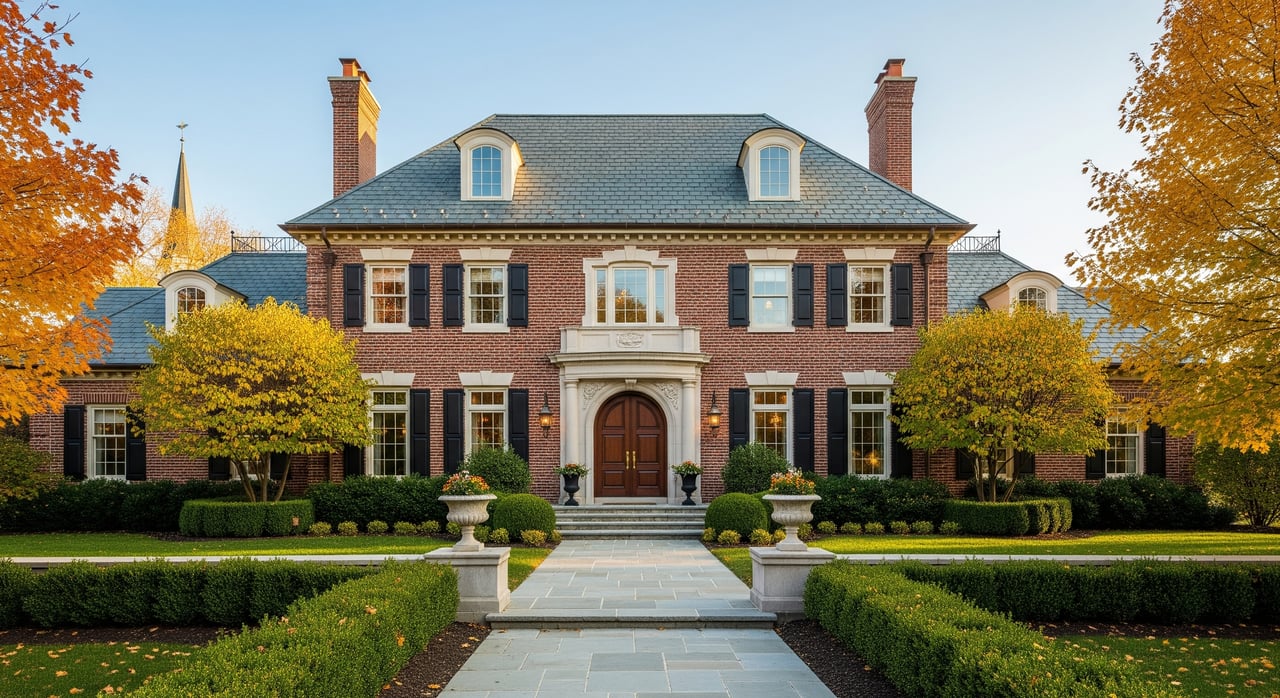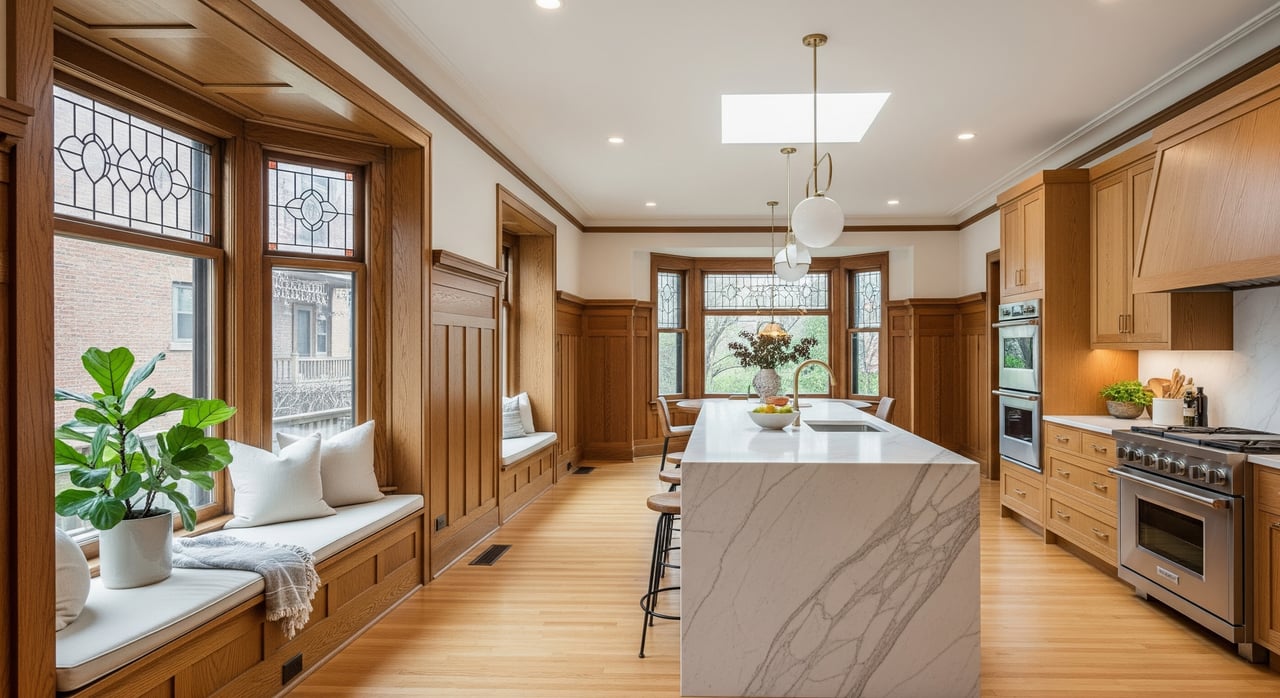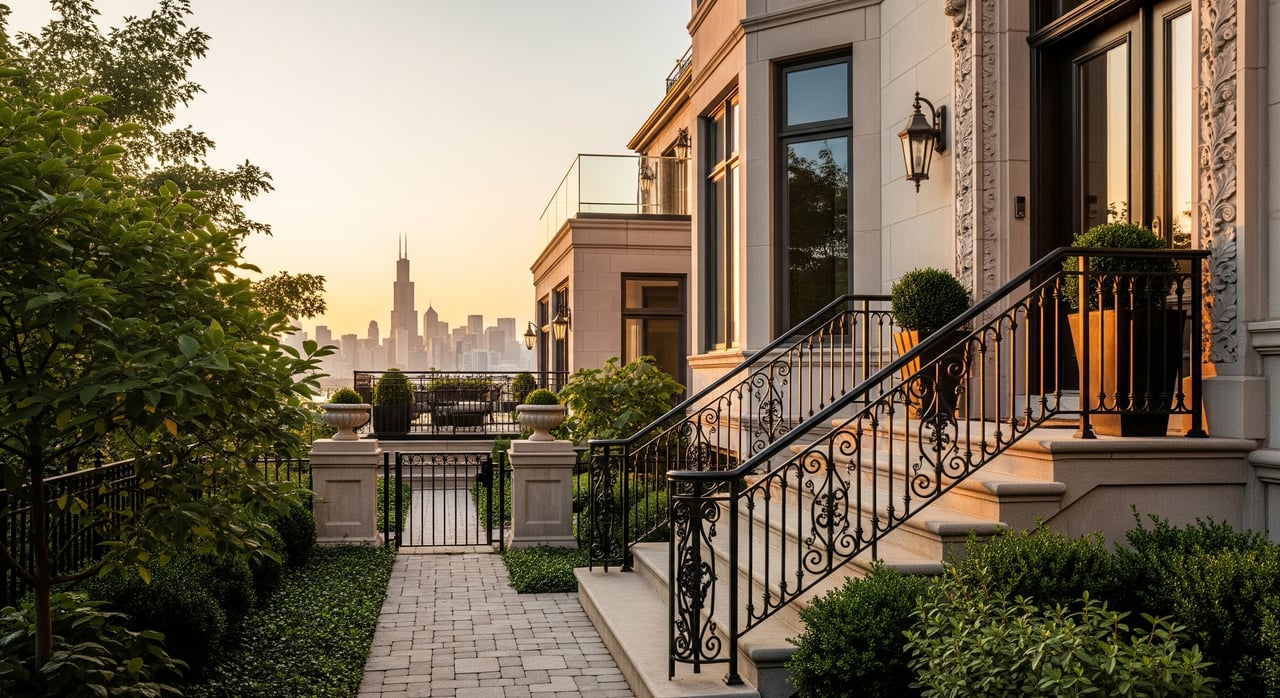
Trying to choose between a newer build and an older home in Naperville? It is a smart question, especially in a city where available land is limited and the housing mix is not evenly split between brand-new construction and historic homes. If you want to make a confident move, it helps to understand where each option shows up, what tradeoffs come with it, and how your day-to-day priorities fit the market. Let’s dive in.
Naperville’s housing mix matters
Naperville is a mature suburban market, which means it is not packed with large waves of brand-new subdivisions. According to the city’s 2025 to 2029 Consolidated Plan, Naperville is approaching buildout because developable land is limited. That reality shapes what buyers can expect when comparing home styles and ages.
A large share of the city’s housing was built between 1980 and 1999, accounting for 54.8% of the stock. Only 3.9% of homes were built since 2010, while 3.5% predate 1950. In a market like this, newer homes are usually more selective, while older homes can offer more variation in style, lot setup, and renovation potential.
The current owner-occupied housing rate in Naperville is 74.8%, and the median owner-occupied home value is $540,200. That context matters because it shows you are shopping in a well-established owner market where home age can affect not just style, but also upkeep, flexibility, and future plans.
What newer builds offer
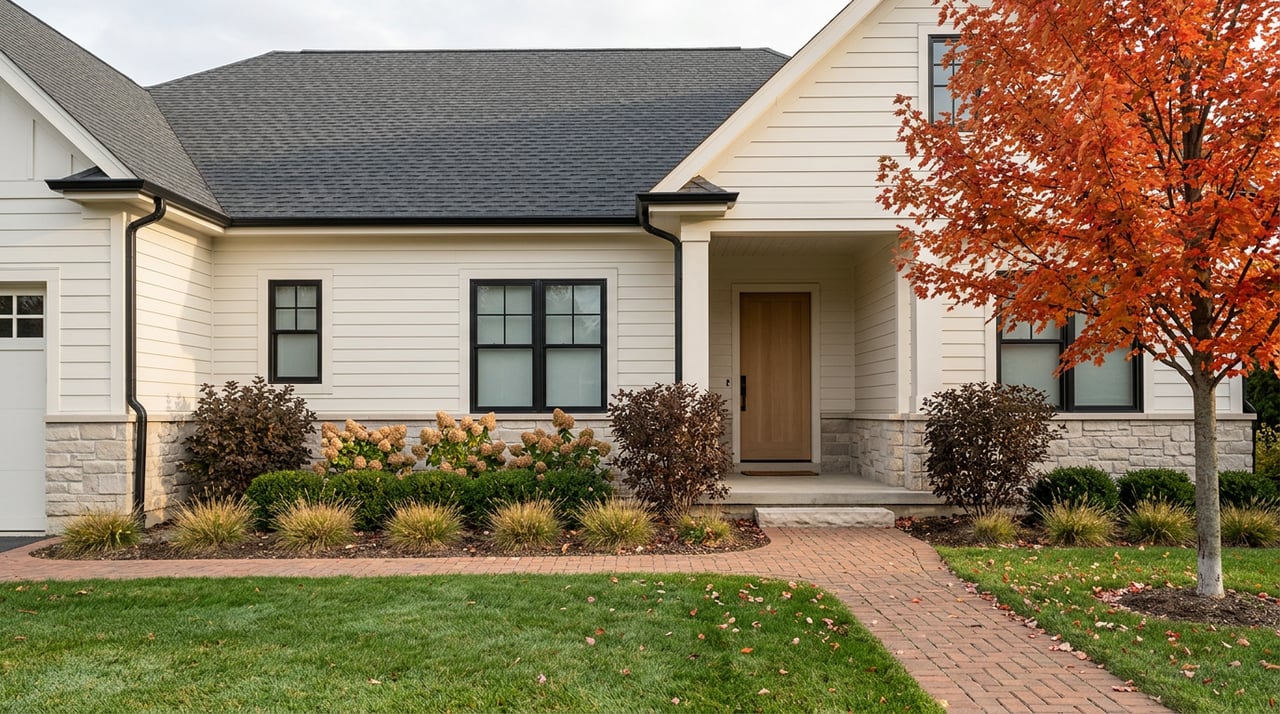
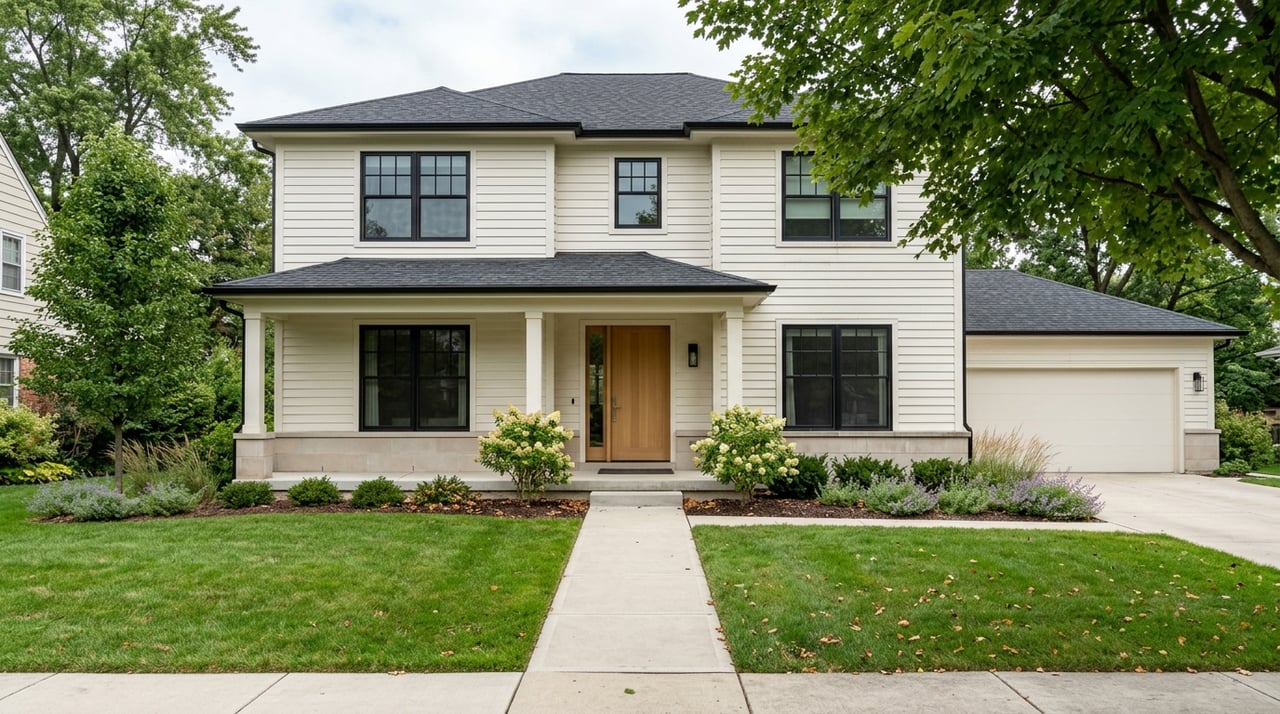
Newer builds in Naperville often appeal to buyers who want a cleaner starting point. The city requires permits for new construction and references the current Illinois Energy Conservation Code in its permit standards. Naperville also encourages green building practices and says new development should maximize energy efficiency beyond the adopted code where feasible.
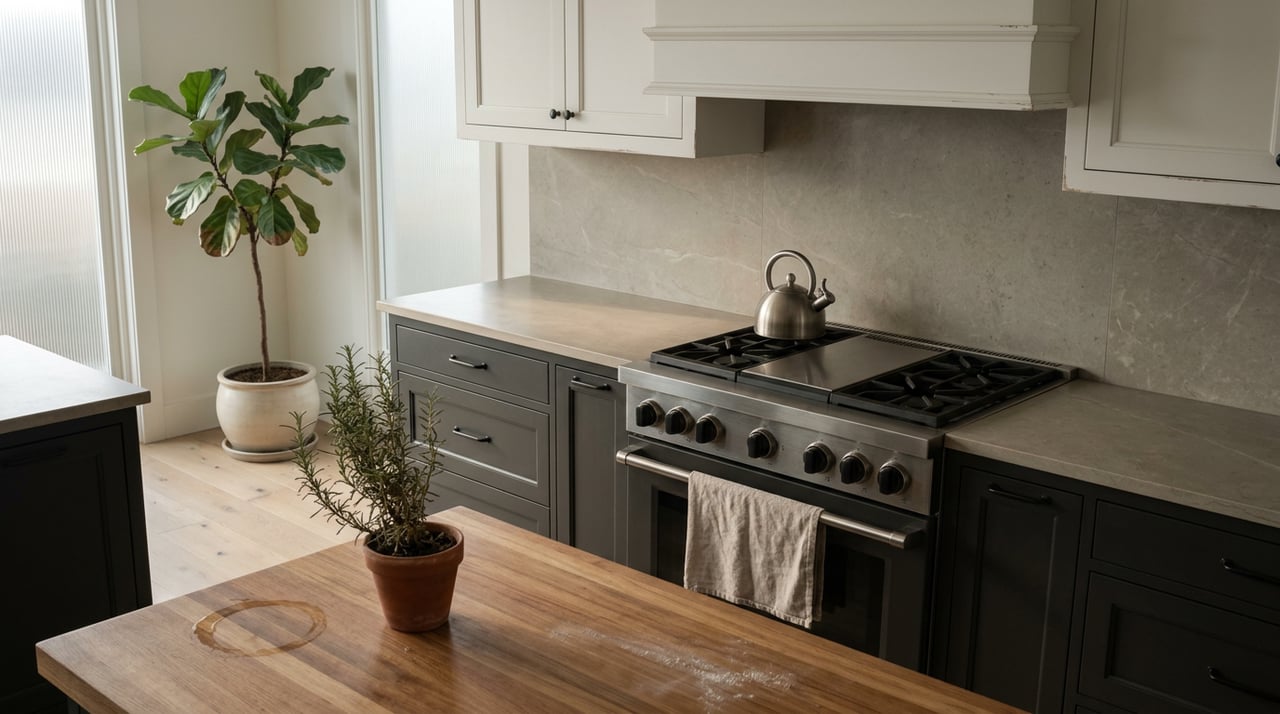
That usually translates into a stronger baseline for insulation, windows, HVAC, and overall efficiency. For you, that can mean fewer immediate projects after closing and a more predictable ownership experience. If you value turnkey living, this can be a big advantage.
Newer homes also tend to feel more standardized in layout and finish. If you like open living areas, modern systems, and a move-in-ready feel, that consistency may work in your favor. The tradeoff is that newer homes in Naperville are a smaller segment of the market, so your choices may be more limited.
Where newer homes are found
In Naperville, newer construction is increasingly tied to infill and smaller planned developments rather than large citywide new-home corridors. The city’s planning documents indicate that future development will often come through rehabilitation or replacement in already developed areas. One current city-backed housing project is located southwest of Route 59 and 103rd Street.
For buyers, that means newer homes may show up as replacement single-family homes, townhome pockets, or edge-of-city projects. If you are set on newer construction, it helps to be flexible about where and how it appears in the market.
What older homes offer
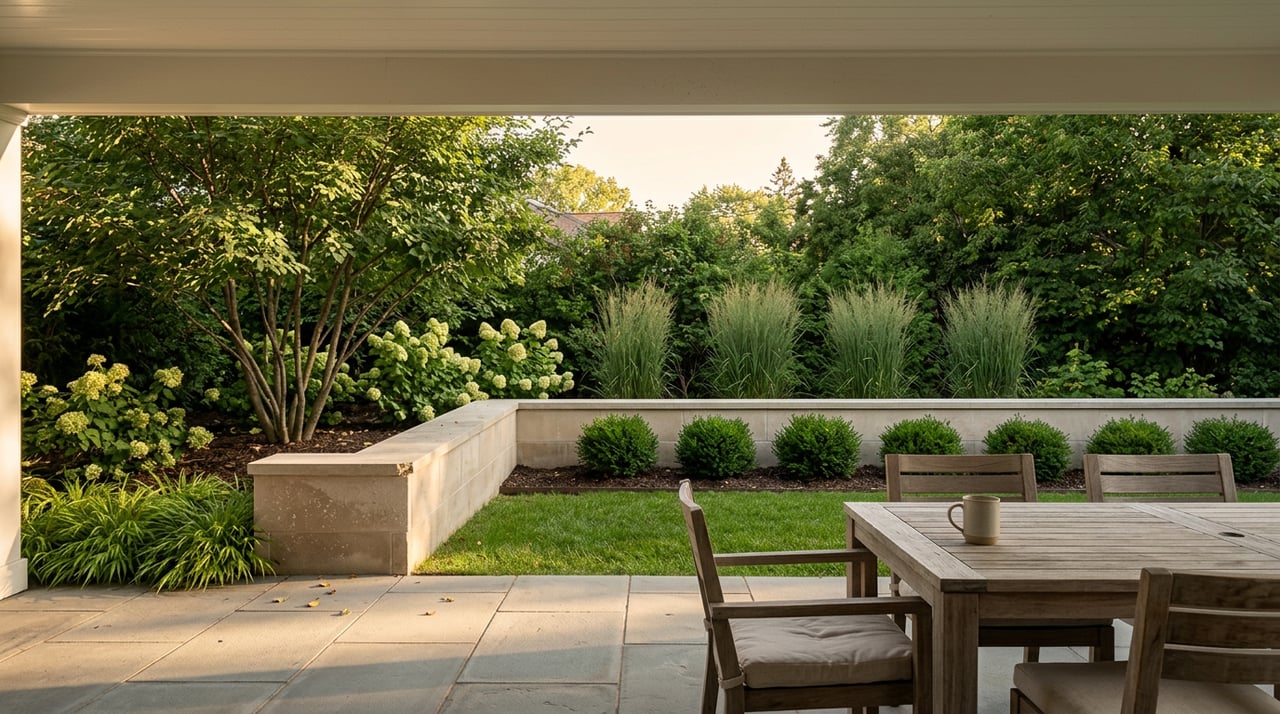
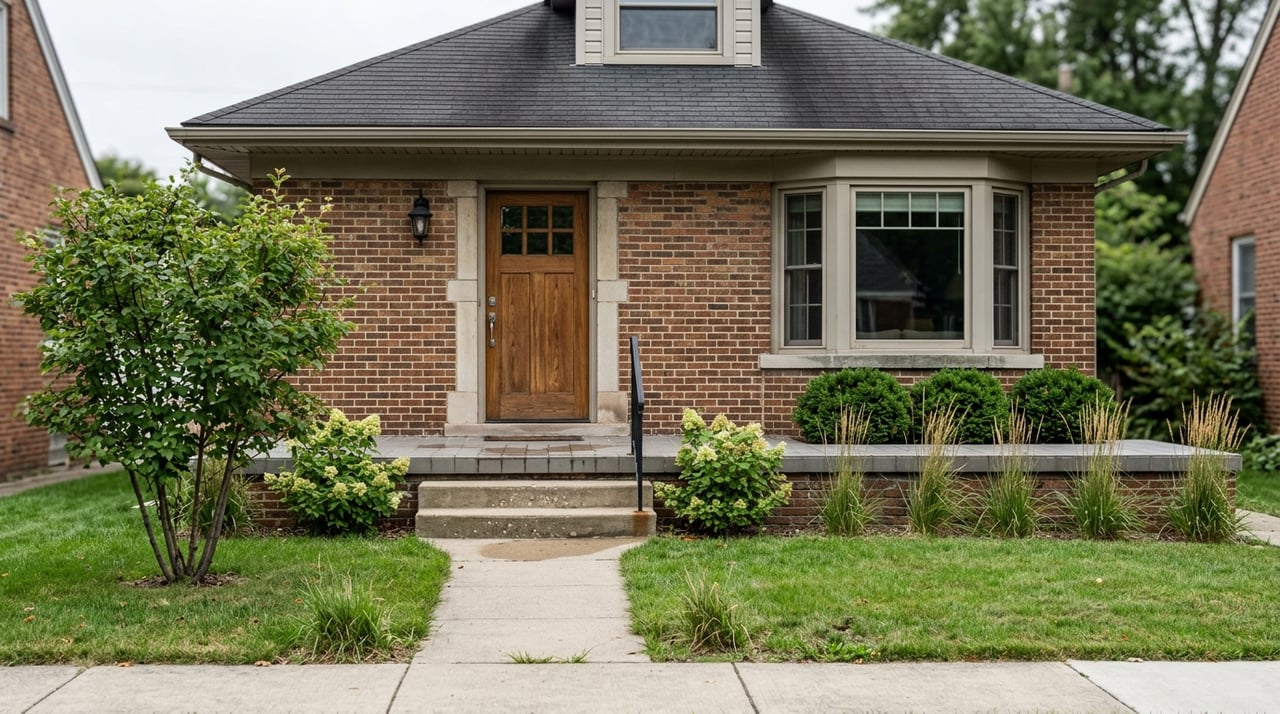
Older homes in Naperville often attract buyers looking for individuality and a more established setting. In a built-out market, older housing can bring more variation in floor plans, exterior style, and yard design. If you want a home with distinct character or the chance to shape it over time, an older property may give you more room to do that.
Older homes can also come with mature landscaping, unique lot configurations, and renovation upside. That does not automatically mean every older home needs major work, but it does mean the condition and update level can vary more from property to property. If you enjoy customizing a home to fit your needs, that variability may feel like an opportunity rather than a drawback.
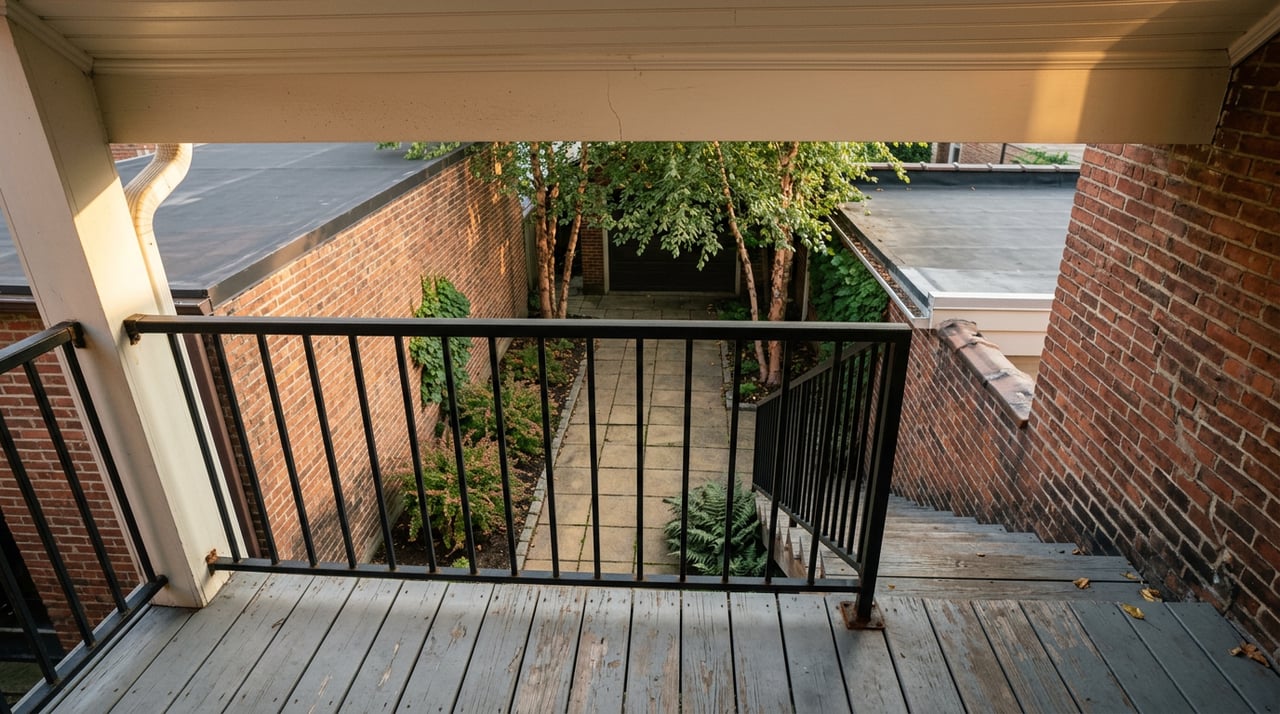
The flip side is that older homes can require more updates to align with current buyer expectations for systems, layout, and efficiency. That is why inspections, permit history, and future project plans matter so much when you are comparing options.
Where older homes are found
Naperville’s older housing is most likely to show up in and around its historic areas. The city’s local historic district includes about 320 properties, including roughly 253 homes. Naperville’s federal historic district includes about 492 contributing buildings and 86 non-contributing structures.
This part of the city is often where buyers find older architecture, mature trees, and strong renovation potential. It is also where more preservation-related questions may come up, especially if you are thinking about exterior changes later.
Compare the lifestyle tradeoffs
The choice between newer builds and older homes is often less about which one is better and more about which one fits the way you want to live. In Naperville, that decision is especially personal because the market offers a practical mix of convenience on one side and character on the other.
Here is a simple way to think about it:
| Priority | Newer Build | Older Home |
|---|---|---|
| Energy efficiency baseline | Usually stronger | May need updates |
| Immediate repair needs | Often fewer | Can vary more |
| Layout style | More standardized | More varied |
| Character | More limited variation | Often stronger individuality |
| Outdoor setting | Depends on infill parcel | Often more lot variation and mature trees |
| Remodeling flexibility | Usually simpler outside historic review | May involve more planning, especially in historic areas |
If you want less upfront work and a more modern baseline, newer construction may feel easier. If you want personality, lot variation, and the option to create something more custom over time, an older home may be the better fit.
Lot size and outdoor space are not one-size-fits-all
In Naperville, lot comparisons are especially important because growth is increasingly infill-based. Older-core neighborhoods can have more variation in yard depth, lot shape, and tree maturity. Newer or replacement homes are usually reviewed based on specific parcel dimensions and setbacks rather than a single citywide lot pattern.
That means you should compare outdoor space one property at a time. Two homes with similar square footage can feel very different once you factor in tree canopy, drainage, yard usability, and room for future expansion.
If outdoor living matters to you, this step should not be rushed. A newer home on a tighter infill lot may suit one buyer perfectly, while another may prefer an older home with a more varied lot and established landscape.
Renovation rules can shape your decision
If you are considering an older home, especially in a historic area, renovation planning should start early. Naperville’s historic-preservation rules require more review for landmarked properties and homes in the historic district. In most cases, exterior alterations or material changes need a Certificate of Appropriateness, and more complex projects may go before the Historic Preservation Commission.
The city also says demolition in the historic district is highly discouraged. So if your long-term plan includes a major exterior remodel, replacement materials, or expansion, you will want to verify the property status before making assumptions.
This does not mean you should avoid historic-area homes. It simply means you should go in with clear expectations and a solid understanding of the approval process.
Lead paint and older-home questions
For homes built before 1978, Naperville says it will follow lead-based paint regulations. The city notes that most potential lead-paint hazards are concentrated in the older part of the city, generally bounded by Ogden Avenue on the north, Columbia Street on the east, Hillside Road on the south, and the DuPage River on the west.
If you are looking at an older home in that area, ask about disclosures, any prior remediation, and contractor documentation. This is a practical part of due diligence and can help you understand both current condition and future project planning.
A simple Naperville buyer checklist
Before you decide between a newer build and an older home in Naperville, focus on the items that can affect your experience after closing:
- Prioritize a newer home if you want a better energy-efficiency baseline, fewer immediate repair items, and less historic-review friction for future exterior changes.
- Prioritize an older home if you want a more established setting, more architectural character, and more opportunity to remodel over time.
- Verify the year built before making assumptions about systems, materials, or expected upkeep.
- Check permit history so you can better understand what has been updated and whether past work was properly documented.
- Confirm whether the property is inside a historic district or subject to landmark-related review before planning exterior work.
- Compare lot dimensions, drainage, tree canopy, and expansion potential on a parcel-by-parcel basis.
The right choice depends on your priorities
In Naperville, this decision is rarely a simple new-versus-old debate. Because the city is largely built out, the better question is whether you want turnkey convenience or character and customization. Both options can be a great fit, but they serve different goals.
If you want a home that feels simpler from day one, a newer build may check more boxes. If you are comfortable evaluating condition, planning updates, and looking closely at lot and district details, an older home may open the door to something more distinctive.
If you want help narrowing down the right fit in Naperville, Timothy Good can help you compare options, understand the local market, and move forward with clarity.
FAQs
Should you buy a newer build in Naperville?
- A newer build may make sense if you want a stronger energy-efficiency baseline, fewer immediate repair concerns, and a more move-in-ready starting point.
Where are older homes usually located in Naperville?
- Older homes are most commonly found in and around Naperville’s historic areas, where you are more likely to see older architecture, mature landscaping, and renovation potential.
Are newer homes common in Naperville?
- Newer homes are a smaller part of the market, since only 3.9% of Naperville’s housing stock was built since 2010 and the city is approaching buildout.
What should you check before remodeling an older Naperville home?
- You should verify the year built, review permit history, and confirm whether the property is in a historic district or subject to landmark-related review before planning exterior changes.
Do older Naperville homes come with more inspection questions?
- They can, especially if the home predates 1978, has older systems, or is located in an area where lead-paint hazards are more likely to be a concern.