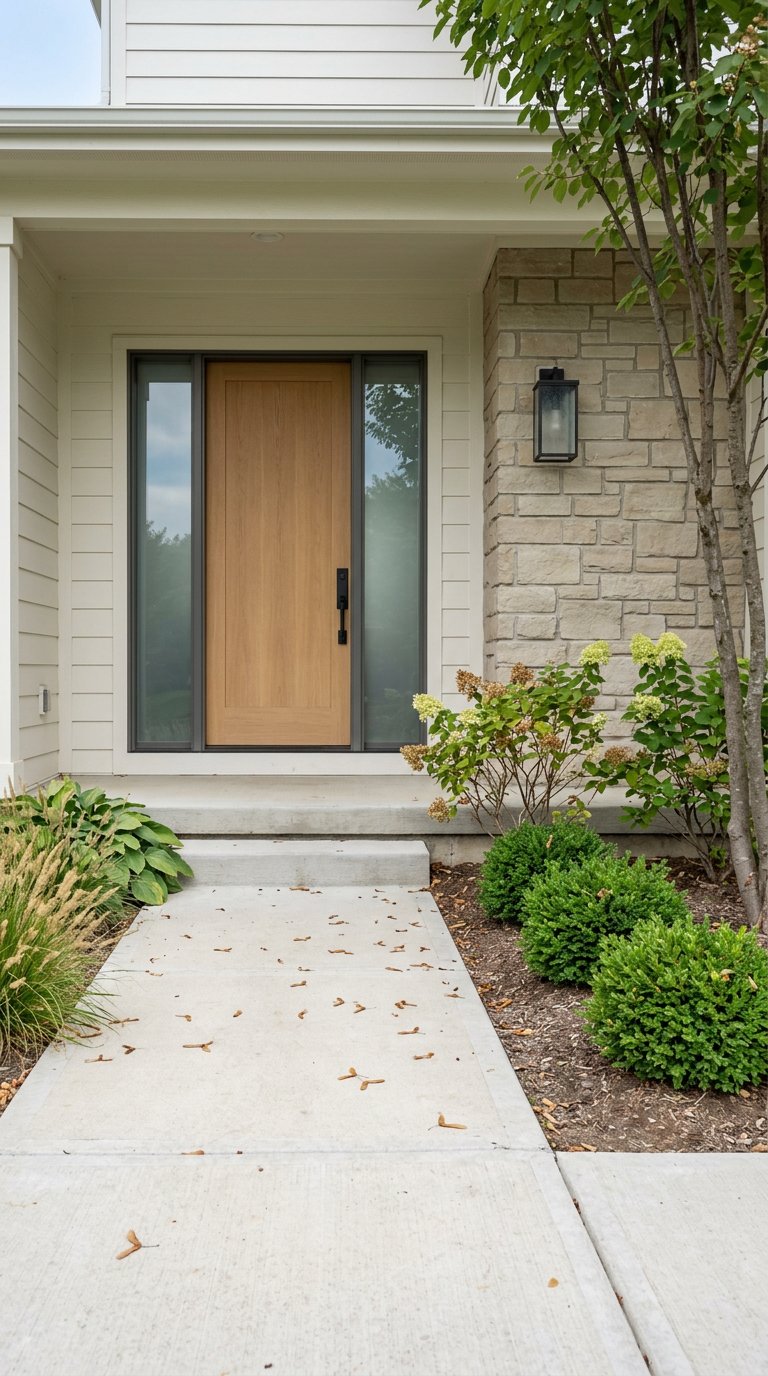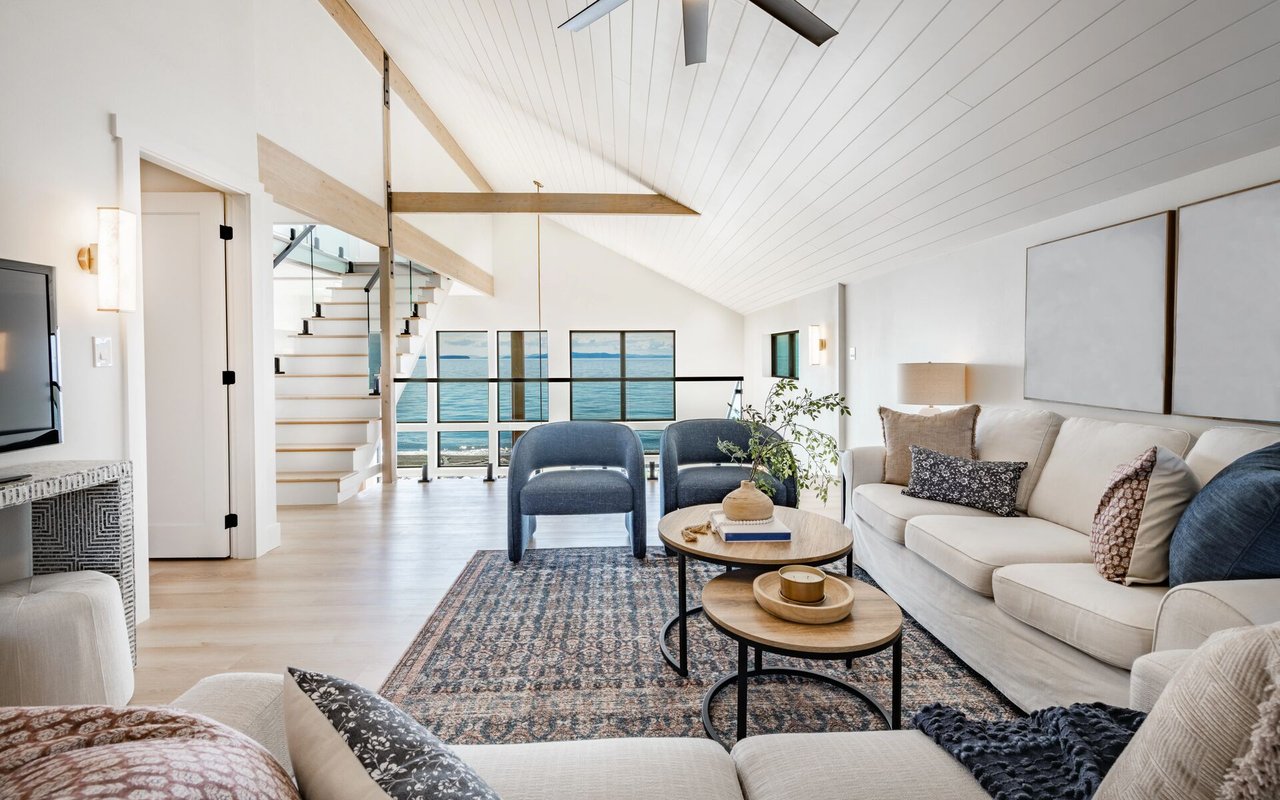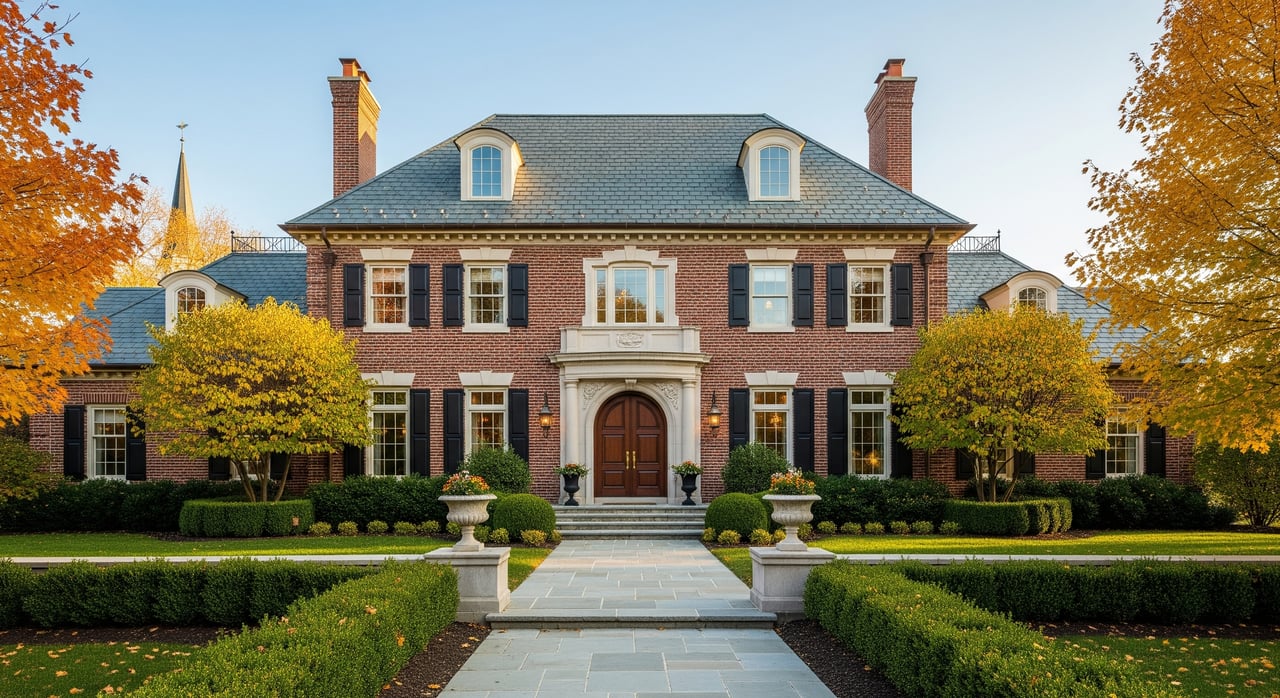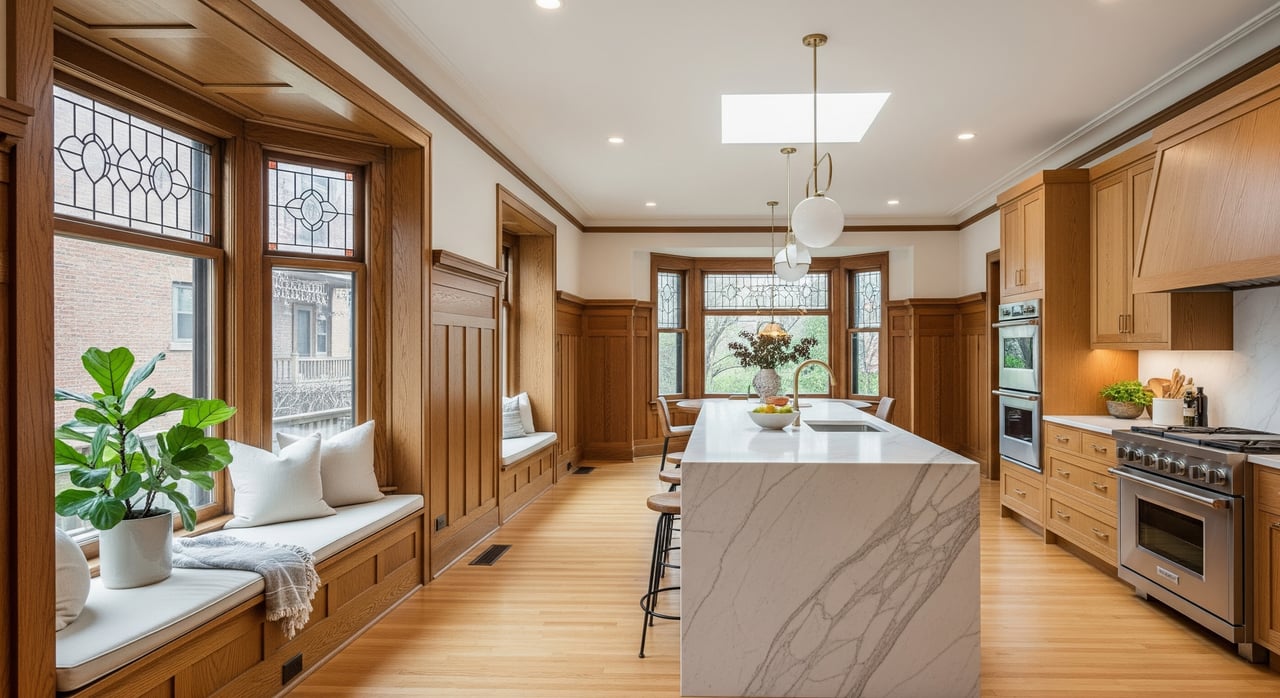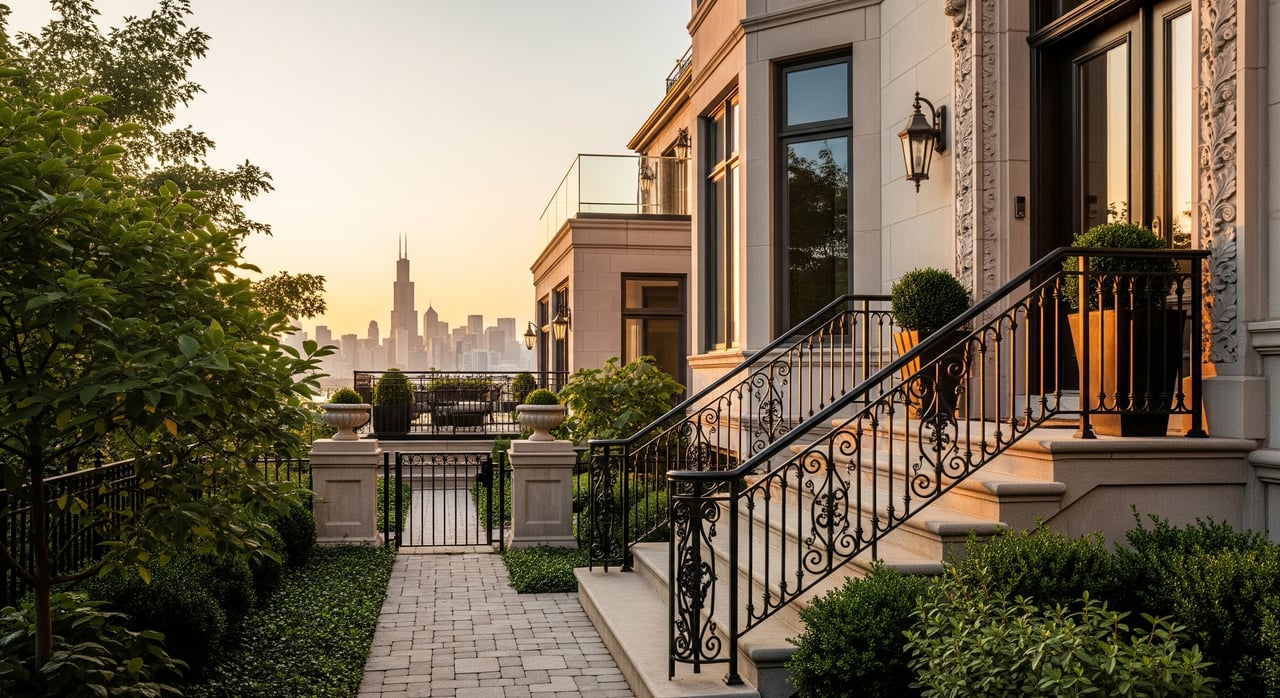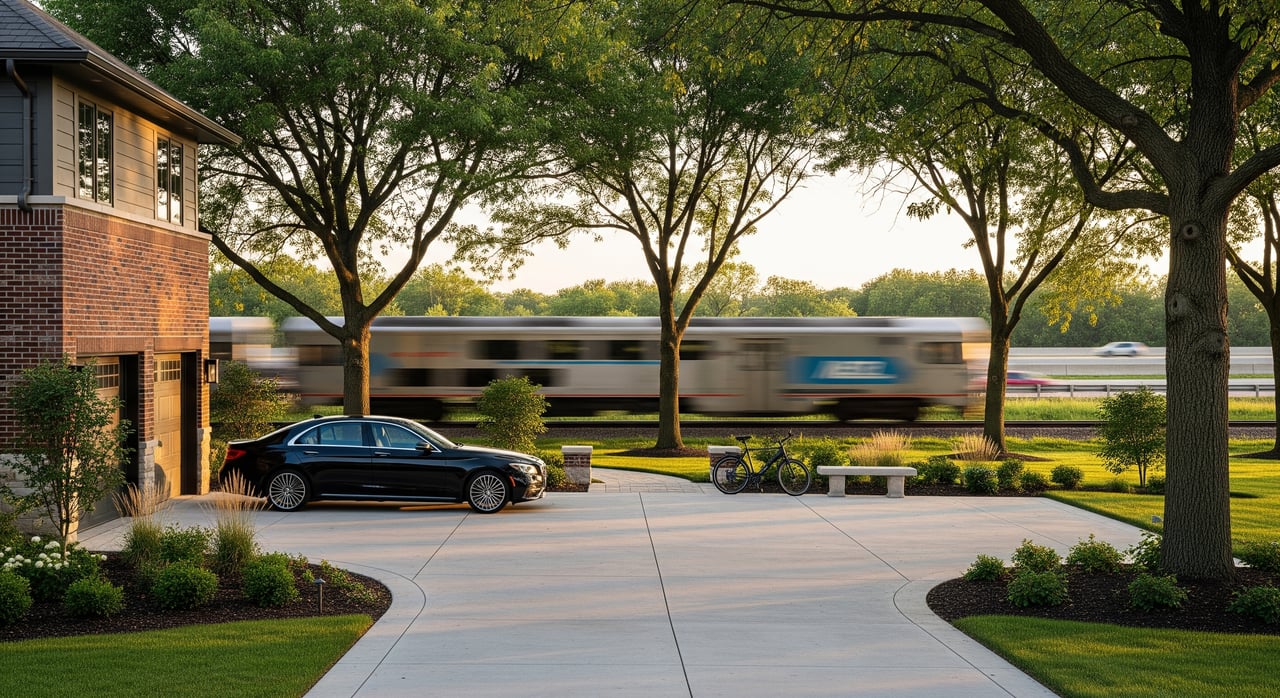
Picture two condo listings that hit the market the same week. Same asking price. Same square footage. Both a short walk from the lake. One is in a prewar courtyard building. The other is a decade-old mid-rise. On paper, on the portal, in the listing photos, they look like a coin flip.
Then attorney review starts, and the documents that show up tell two completely different stories. One building has a healthy reserve fund and no capital projects on the horizon. The other has a roof replacement penciled in for next year and a reserve account that will not cover half of it. Same price. Very different bill waiting on the other side of closing.
This is the part of buying a Chicago condo that never shows up in the listing price or even the monthly HOA fee. It shows up in paperwork most buyers do not think to ask for until their attorney requests it, and by then a lot of buyers have already emotionally moved in.
The Number That Isn't on the Listing
Chicago's condo stock breaks into a few broad categories, and each one carries a different risk profile for what happens after you own the unit.
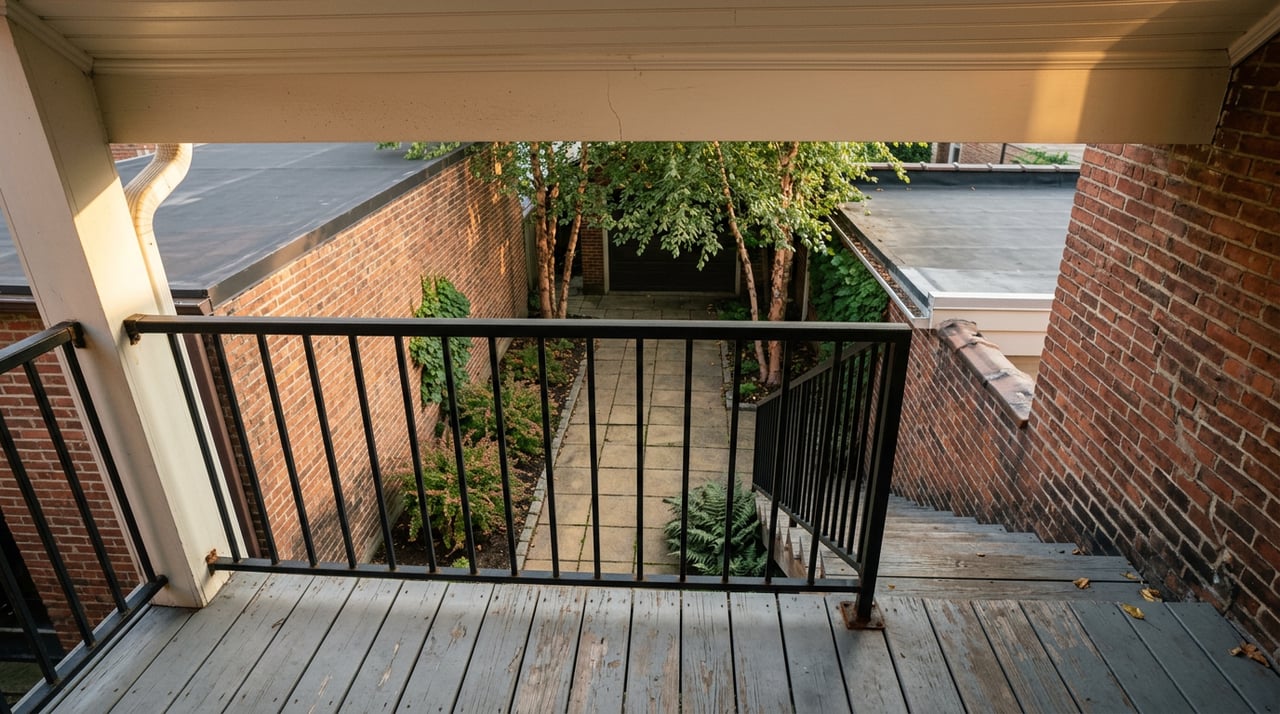
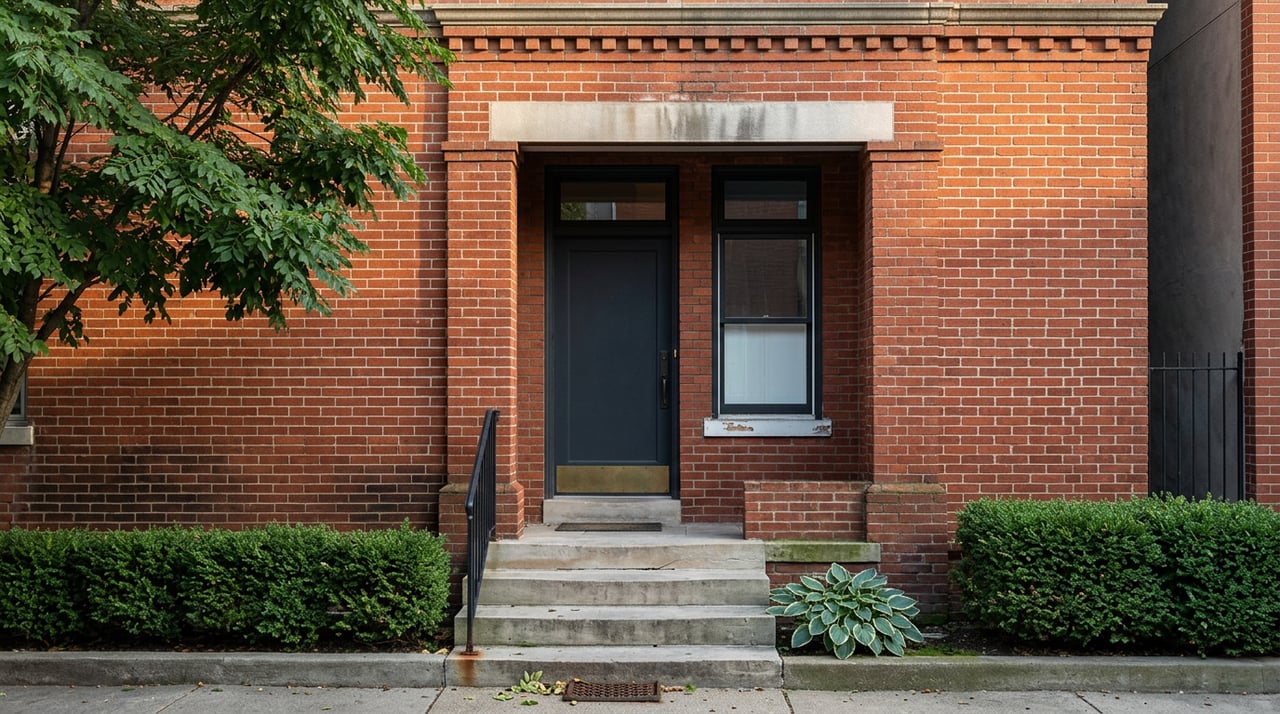
Vintage prewar walk-ups and courtyard buildings, common throughout the North Side and parts of the lakefront, tend to face recurring masonry, tuckpointing, window, and heating system work. These are freeze-thaw problems. Chicago winters are hard on old brick, and the deicing salt used on sidewalks and streets accelerates the wear.
Lakefront mid-rises, the kind you'll find in Edgewater and other neighborhoods that sit right on the water, take a different kind of beating. Wind-driven rain off the lake and salt-air corrosion push up the cost of exterior envelope repairs, balcony work, and elevator or garage maintenance. When these buildings need a special assessment, it tends to be a larger one, because the systems involved (elevators, parking structures, building envelopes) are expensive to fix.
Newer construction in West Loop, River North, and South Loop carries the lowest near-term risk. Warranties are often still active and major systems haven't aged yet. But that low risk isn't permanent. When those warranties expire and multiple building systems reach the end of their useful life around the same time, owners can face a cluster of repair needs landing in the same budget cycle rather than spread out over years.
None of this shows up in a listing price. It shows up in a document called the reserve study, which is the building's professional estimate of what its major components will cost to replace and when. A building sitting on a well-funded reserve can absorb a roof replacement without asking owners for a dime. A building that's underfunded has exactly two options when the bill comes due: take out a loan, or levy a special assessment split among every unit owner based on their percentage of ownership in the building. If your unit represents 1 percent of the building and the association levies a $500,000 assessment for facade and balcony repairs, your share is $5,000, whether or not you saw it coming.
Why a Recent Renovation Isn't Automatically Good News
Here's the part that surprises a lot of buyers. A building that just finished a major repair is not automatically the safer bet. If that repair was paid for out of a healthy reserve fund, that's a genuinely good sign. If it was paid for through a special assessment because the reserve fund couldn't cover it, that's a pattern, and patterns in condo finances tend to repeat. A board that let reserves run dry once is more likely to do it again than a board that's been disciplined about funding all along.
This is why the smarter question during a showing isn't "has this building had work done recently." It's "how was that work paid for."
The Paperwork That Actually Predicts Your Costs
Illinois gives buyers a real tool for answering that question, and it's called the Section 22.1 disclosure, named for its place in the Illinois Condominium Property Act. When you're under contract on a resale condo, the seller has to obtain and hand over a specific set of documents from the association: the declaration and bylaws, the last two years of financials, any pending lawsuits or judgments involving the association, insurance information, and, most usefully for a buyer trying to spot risk before it becomes their problem, a statement of any capital expenditures the association anticipates in the current fiscal year or the next two.
That last item is the one worth reading twice. It's the earliest formal signal that a special assessment might be coming, sometimes before the board has even voted on it.
As of a 2023 amendment to the statute, associations have 10 business days to produce this package once a request is made, down from the 30 days the law originally allowed, and the fee they can charge for it is capped at $375, plus $100 for rush service. In practice, most residential contracts in Chicago push for an even faster turnaround, often five business days from acceptance, which is tighter than the law technically requires. That mismatch between what the statute allows and what contracts demand is exactly why buyer's attorneys request this package immediately after a contract is signed rather than waiting.
The disclosure fee itself has been contested enough to reach the Illinois Supreme Court. In Channon v. Westward Management, the court held that condo sellers don't have a private right of action against boards or property managers over disputed fees for producing these documents, and a related case was still working through the courts as of late 2025. That level of litigation over a document fee tells you how seriously these disclosures are taken on both sides of a transaction.
Alongside the 22.1 package, ask for the reserve study directly and the last 12 to 24 months of board meeting minutes. The reserve study tells you what's coming. The minutes tell you what the board has been discussing that hasn't made it into a formal capital expenditure line yet.
The Tax Line That Compounds Everything Else
Special assessments are the variable cost. Property taxes are the fixed one, and Cook County's are high enough that they change the math on every unit regardless of building type. The county's effective property tax rate runs close to double the national average, a gap driven in large part by pension obligations that predate any individual building or owner. Unlike a special assessment, this cost applies whether your building is perfectly maintained or falling apart.
It's also not static. Cook County reassesses property values on a rotating three-year cycle, one section of the county at a time. The City of Chicago's most recent reassessment took effect for 2024, with the next one scheduled for 2027. Suburban Cook County is currently in the middle of a different phase of that same cycle. For a buyer closing on a Chicago condo in 2026, the tax line on today's listing sheet reflects a valuation that's already a couple of years old, and it's worth budgeting for the fact that number will move again before too long.
There's a third cost that's easy to miss entirely: Chicago's Energy Benchmarking Ordinance requires buildings of 50,000 square feet or larger, including condo and co-op buildings, to report annual energy use to the city by June 1 each year, with third-party verification required every three years. As of 2026 this remains a reporting requirement rather than a performance standard with emissions penalties, so a building isn't fined today for using too much energy, only for failing to report. But it's a program to watch. If Chicago follows other cities toward hard performance targets, buildings that skipped efficiency upgrades now could be looking at the kind of building-wide retrofit that gets funded through, you guessed it, a special assessment.
What This Means If You're Comparing Two Listings
The sticker price tells you what you're paying today. It doesn't tell you what you'll be asked to pay in year three or year five. Before you get attached to a unit, ask for the reserve study and the last two years of board minutes, not just the current HOA fee. Ask specifically how any recent capital work was funded. And when you're comparing a vintage courtyard building against a lakefront mid-rise against new construction, remember you're not just comparing finishes and square footage. You're comparing three different risk timelines.
A Few Quick Questions
How long do I have to review the 22.1 disclosure package once I'm under contract? The statute gives associations 10 business days to produce it, but most Chicago contracts ask for a faster turnaround, often five business days, and your attorney should be requesting it the moment the contract is signed.
Does a well-funded reserve guarantee I won't face a special assessment? No, but it significantly lowers the odds. A reserve study that shows the building is well funded relative to its upcoming capital needs is one of the strongest signals available, especially when paired with minutes that show no unresolved capital discussions.
Is the property tax situation different for a condo compared to a single-family home in Chicago? The mechanics are similar. Common areas aren't taxed separately, since their value is folded into each unit's individual assessment, but the countywide rate and reassessment cycle apply the same way regardless of property type.
Comparing Chicago condos is rarely as simple as comparing two numbers on a listing sheet. If you're weighing buildings across different neighborhoods and want a second set of eyes on what a reserve study or a 22.1 package is actually telling you, the team at Timothy Good Group works these documents with Chicago buyers regularly and can help you read past the asking price before you write an offer.