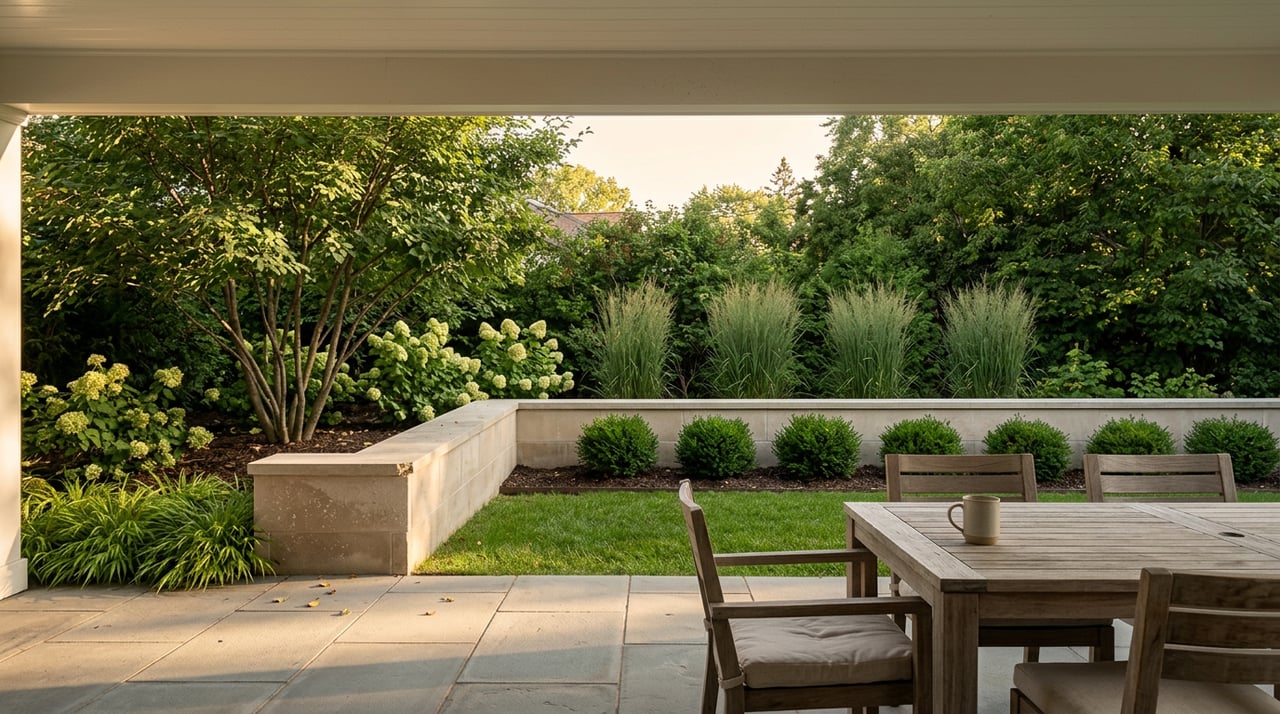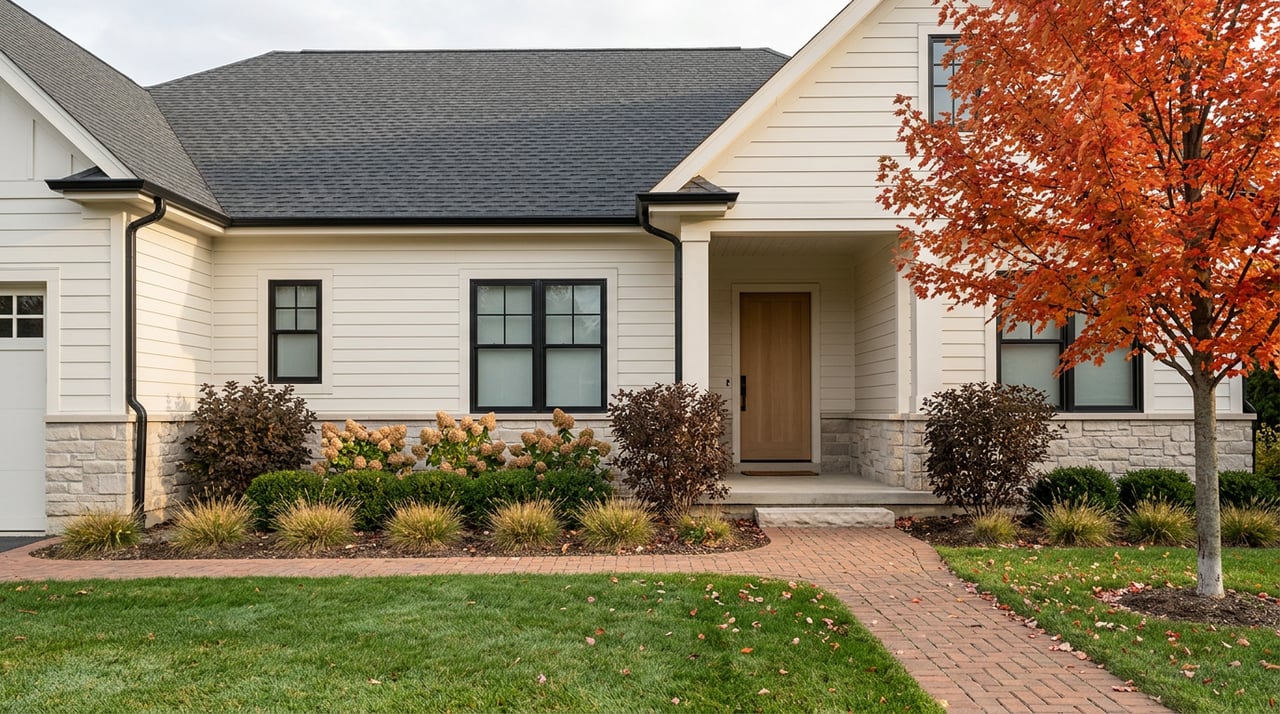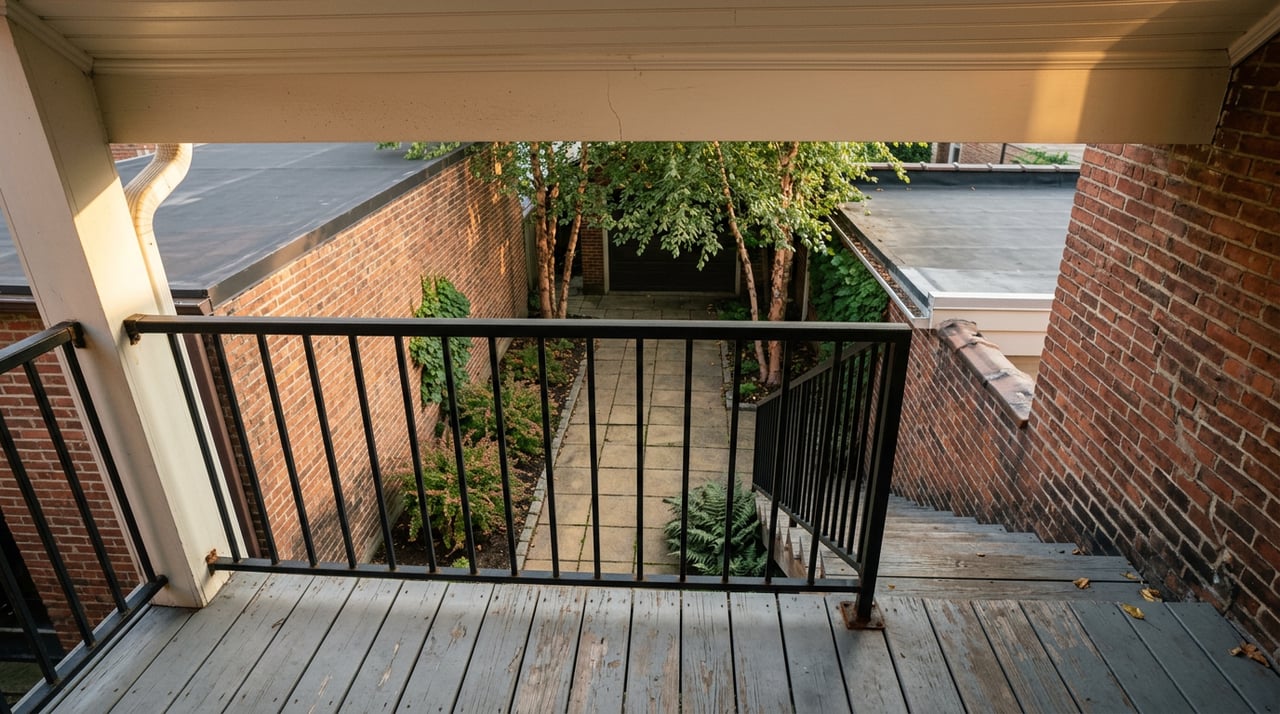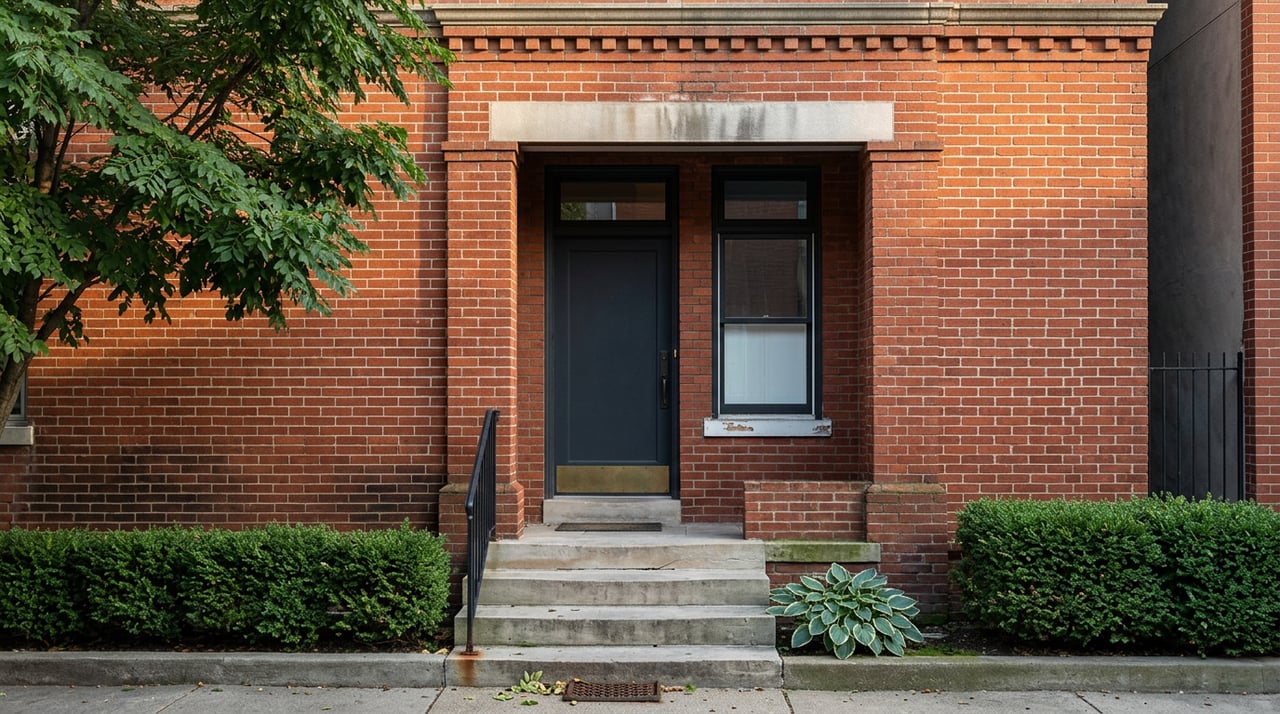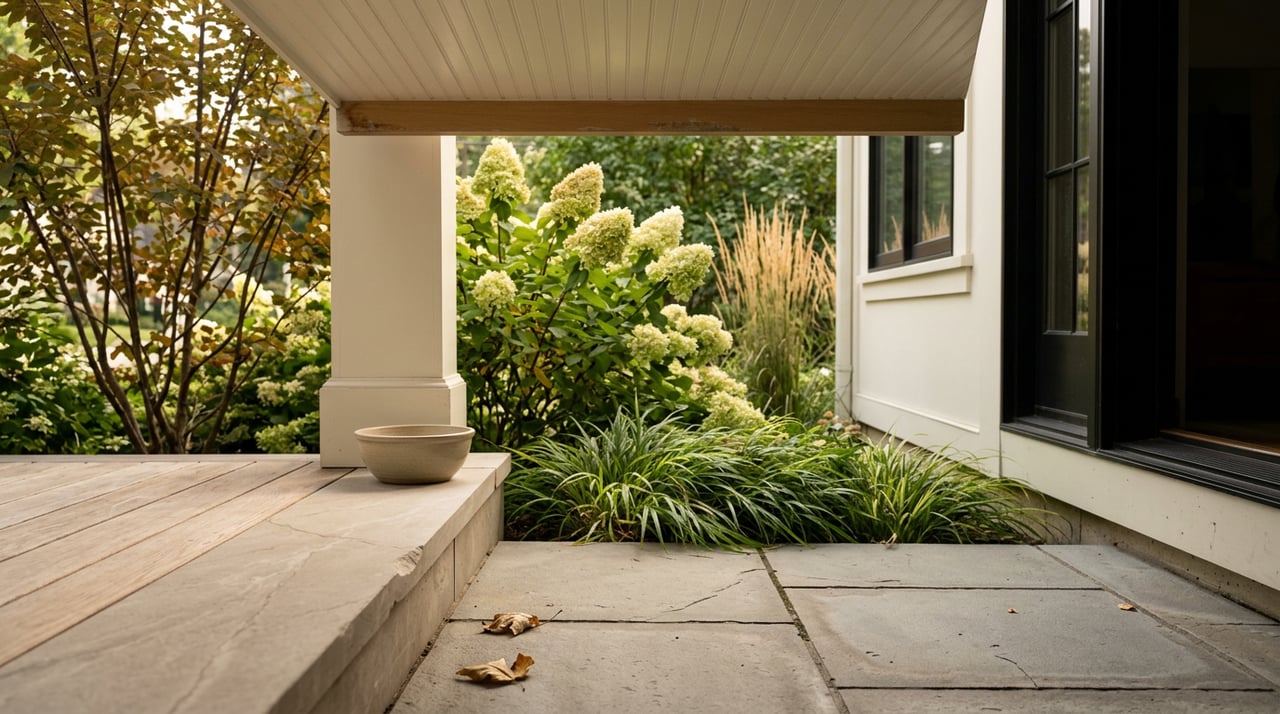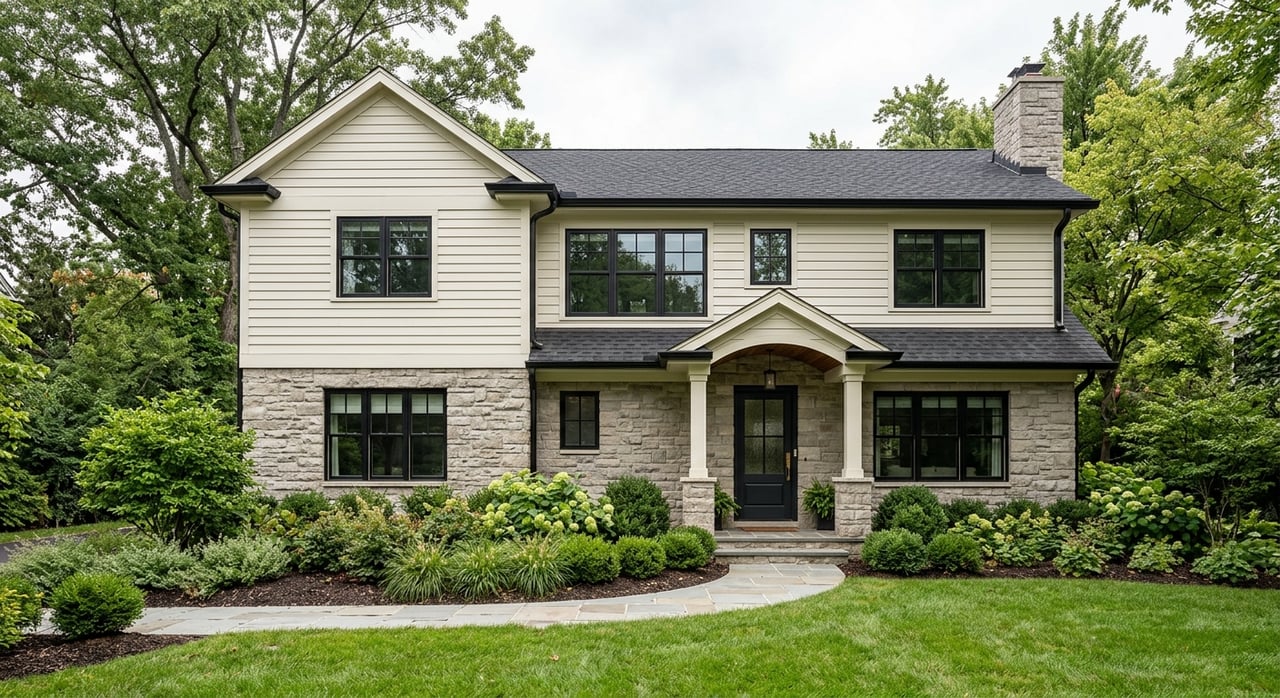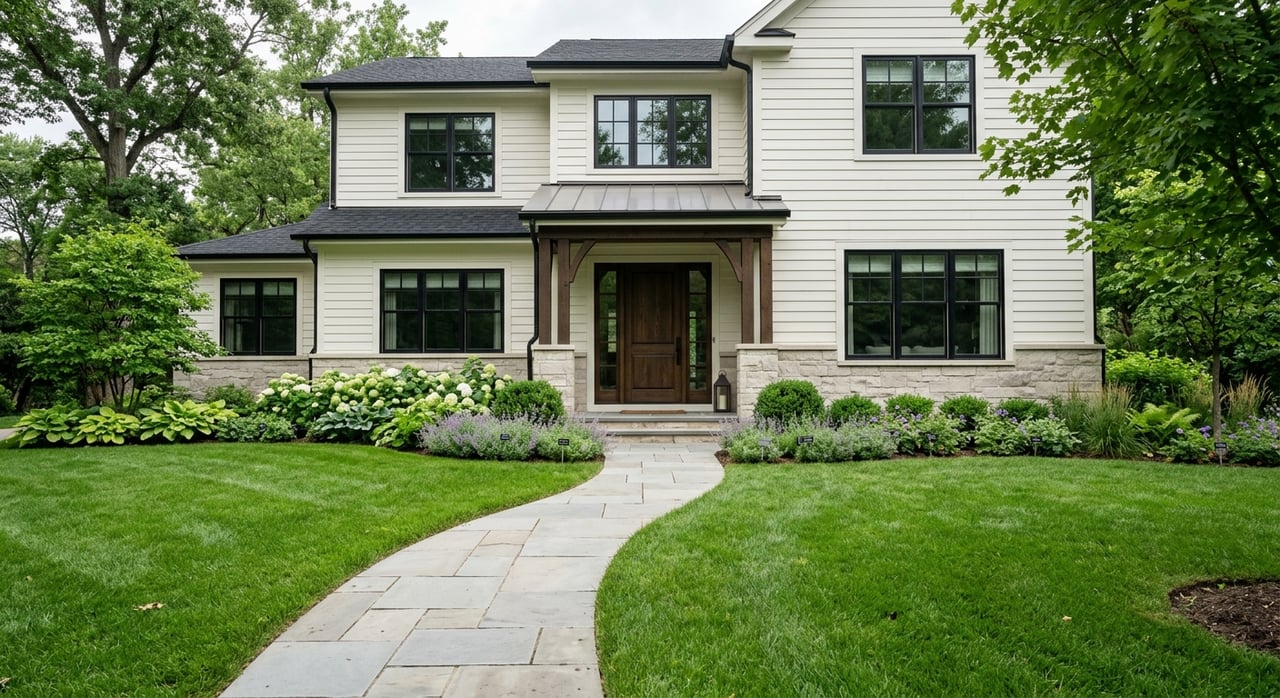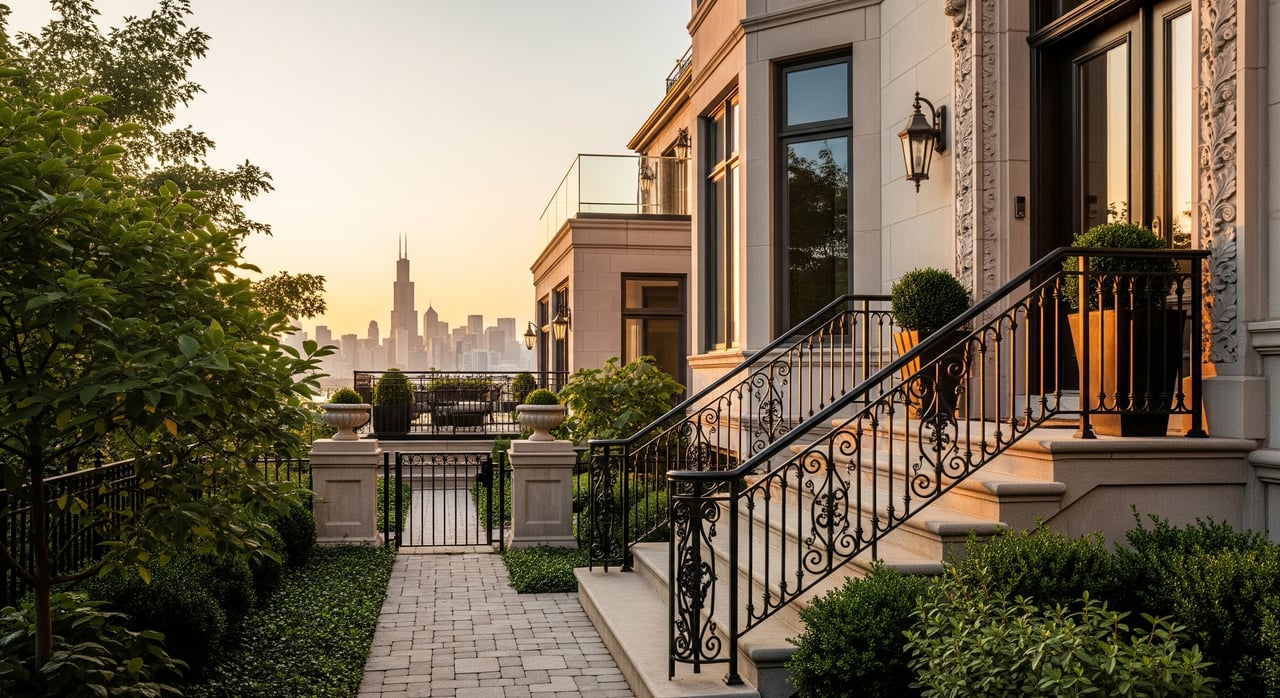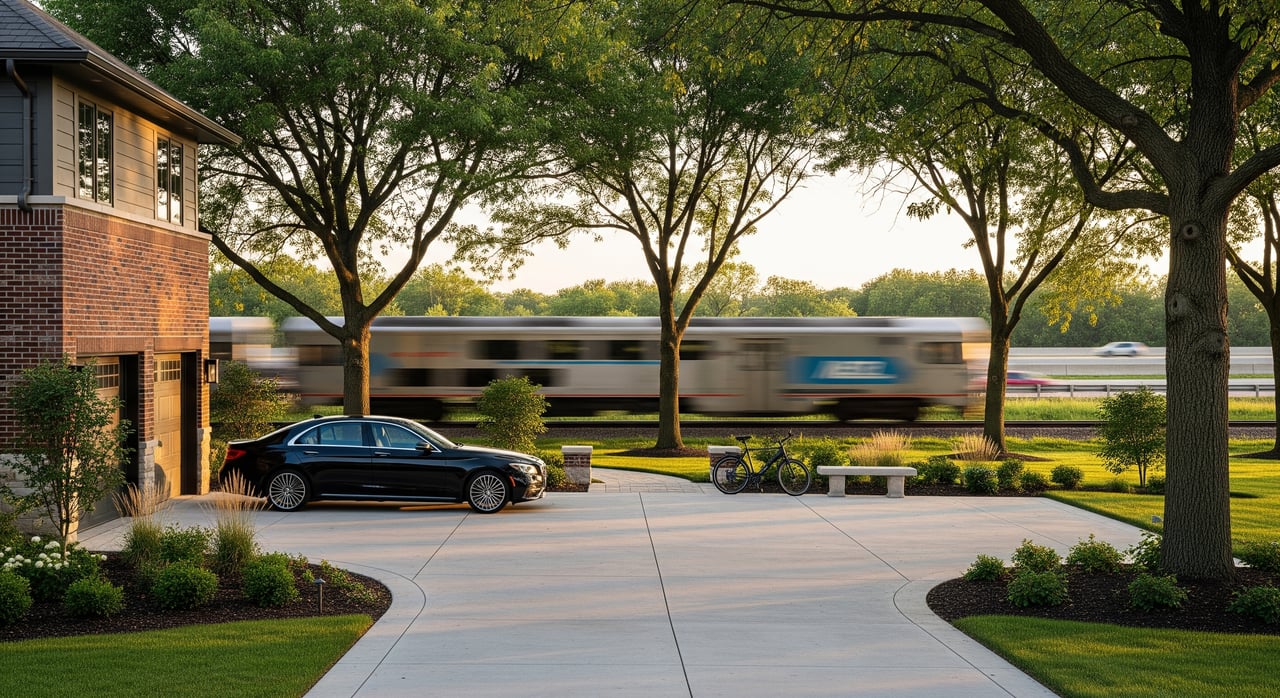
A century-old description of Chicago's Ridge still holds up on a drive down Longwood Drive today. A 1920s Rock Island Railroad magazine bragged that "the well-shaded streets lined with beautiful residences makes this section of the city one of the most desirable." That line was written to sell train tickets to a neighborhood most people now call Beverly. It could just as easily describe the blocks a mile south and west in Mount Greenwood, where the streets are flatter but just as tree-lined and just as proudly middle-class.
If you're cross-shopping these two South Side neighborhoods right now, the portals will tell you they're priced almost identically. What the portals won't tell you is that identical medians can describe two completely different markets, and that's exactly what's happening here.
The Number That Split in Two
By February 2026, Redfin's tracking showed Beverly's median sale price at $395,000, down 3.5% from a year earlier. That same snapshot put the average sale price at $487,000, up 26.7% year over year. Homes were also moving faster, selling in 60 days on average compared to 84 days the year before, even as the number of homes sold that month dipped slightly, from 38 to 35.
A median falling while an average climbs almost a quarter in the same neighborhood, in the same month, is not noise. It's a signal that the "typical" Beverly home and the "average" Beverly home stopped being the same thing. Something at the top of the market is pulling hard enough to drag the average up while the bulk of the market, the homes that actually determine the median, cooled off.
Mount Greenwood tells a cleaner story. Over the three months ending May 2026, Redfin had the median sale price at $365,000, up 15.3% from the same period a year earlier. By July 2026, Movoto's listing data put the median list price at $372,000, with homes spending a median of just 26 days on the market. No split. No contradiction. The number moves the way you'd expect a number to move when demand is real and broad-based.
Same Price Bracket, Different Market Structure
| Beverly | Mount Greenwood | |
|---|---|---|
| Median sale price | $395,000 (Feb 2026) | $365,000 (3 mo. ending May 2026) |
| Average vs. median | Average $487,000, up 26.7% YoY, while median fell 3.5% | Roughly aligned; no reported split |
| Days on market | 60, down from 84 a year prior | 26 (Movoto, July 2026) |
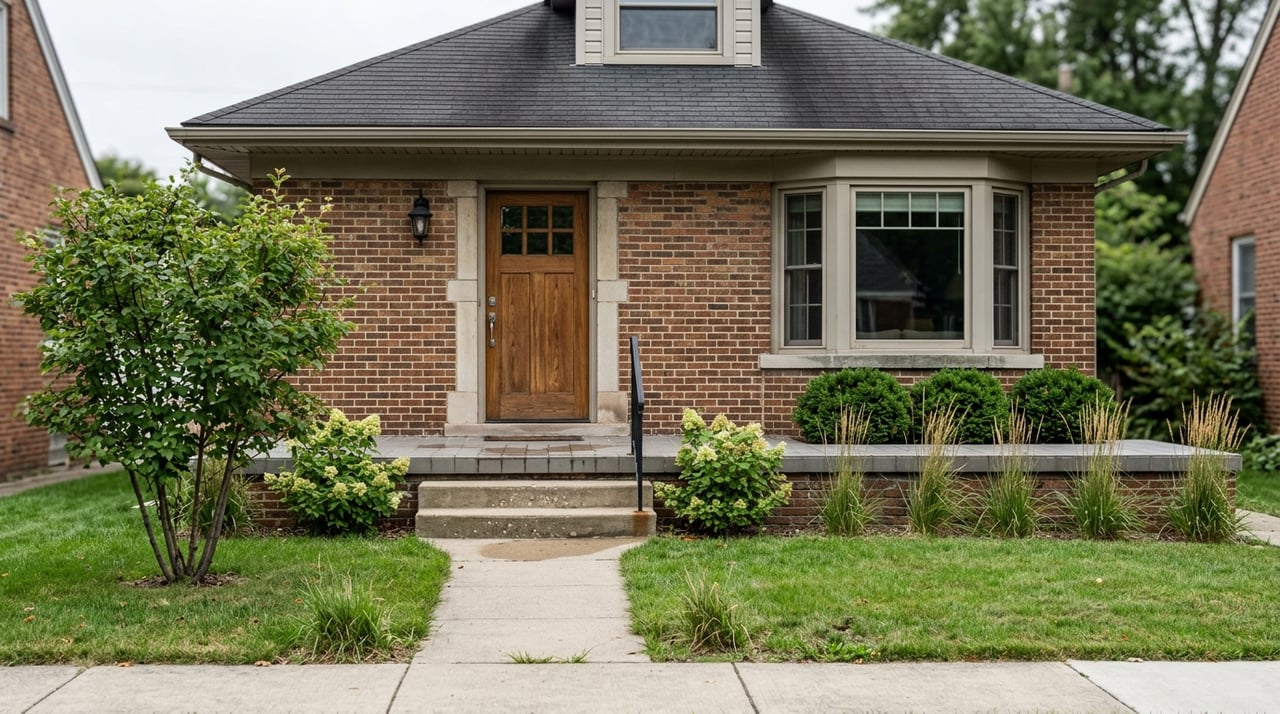
| Housing stock | Early 1900s bungalows, two-flats, and Prairie-style mansions | Bungalows and ranches, mostly built 1940 to 1970 |
| Price range | $335,000 to $1,100,000 across nine subdivisions (late Aug 2026) | Tighter band, entry-level to upper-middle |
That $1.1 million ceiling in Beverly is doing a lot of work. It belongs to a different tier of the neighborhood entirely, one that Mount Greenwood simply doesn't have.
Why Beverly's Median Is Lying to You, Gently
Beverly's housing stock isn't one market. It's two markets wearing the same zip code.
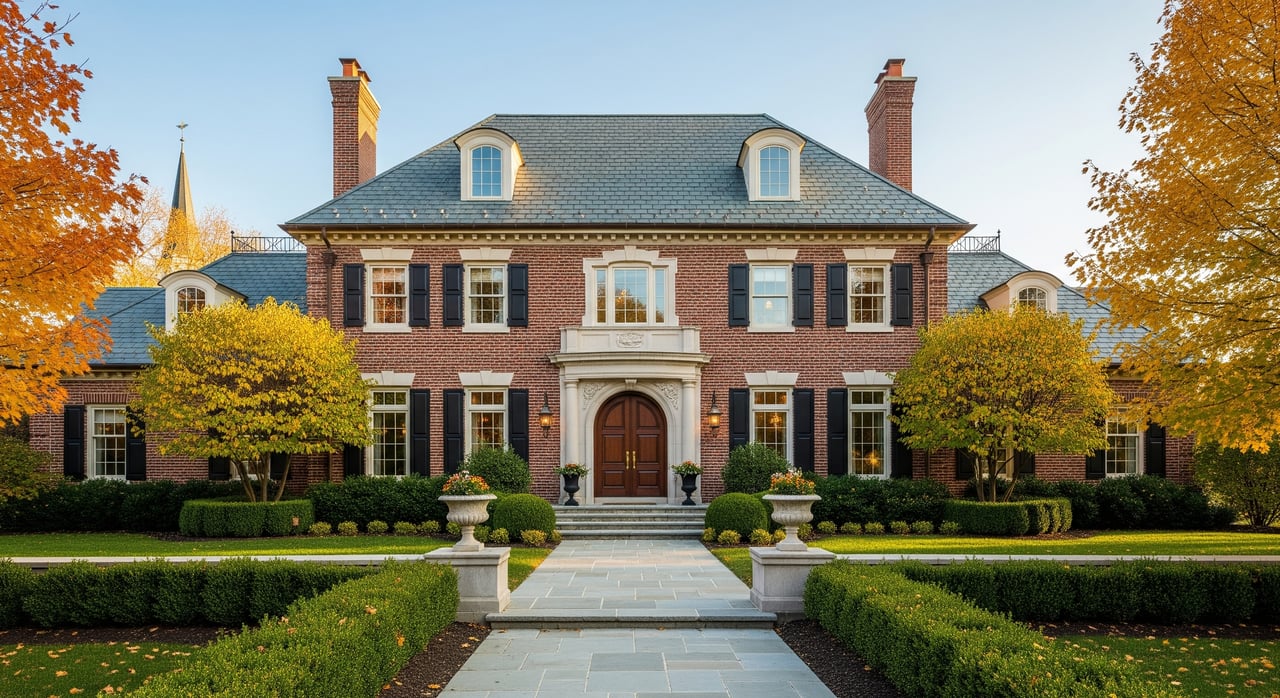
At one end are the starter bungalows and brick two-flats that make up most of the neighborhood's transaction volume. At the other end is the Longwood Drive Historic District, a Chicago Landmark District that runs roughly a dozen blocks along Longwood Drive. It contains the Givins' Irish Castle, a limestone mansion built in 1887 by developer Robert C. Givins that has served as home to the Beverly Unitarian Church since 1942, and it sits inside the larger Ridge Historic District, a National Register district with more than 3,000 buildings that includes several homes designed by Frank Lloyd Wright.
Sell three or four of those historic properties in a single quarter and you can pull a neighborhood's average price up by tens of thousands of dollars without moving the median at all, because the median only cares about the home in the exact middle of the sales list, not the size of the check written at the top. That's precisely what appears to be happening. The starter and mid-tier bungalows, the ones that set the median, actually softened slightly. The Longwood Drive tier kept selling at a premium strong enough to yank the average up 26.7% in the same window.
There's a second wrinkle worth flagging. Movoto's July 2026 data shows Beverly's median list price at $455,000, a full $60,000 above the neighborhood's actual February sale median. Sellers are asking for more than the recent transaction record supports. That gap between what's listed and what's actually closing is itself a piece of information: it suggests some sellers are pricing to the historic-district comps rather than to their own block.
Why Mount Greenwood's Median Behaves
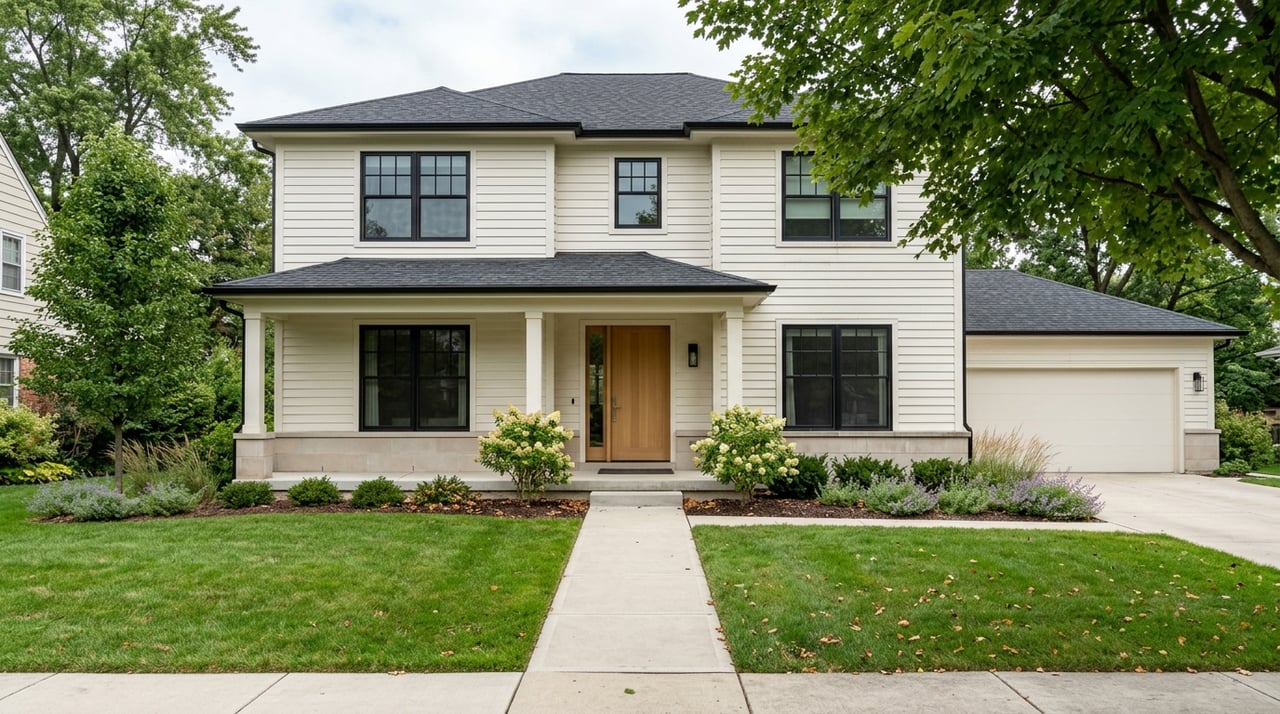
Mount Greenwood doesn't have a Longwood Drive. Its housing stock, built predominantly between 1940 and 1970, is bungalows and ranches sitting on a fairly consistent lot size and square footage, with the neighborhood's commercial life concentrated along the 111th Street corridor, which has operated as a tax increment financing district since 2009 to fund the retail strip rather than residential redevelopment.
Because the inventory doesn't stretch from starter home to architectural landmark, there's no small cluster of outlier sales capable of separating the average from the median. When the market moves, the whole stock tends to move together, which is why a 15.3% year-over-year gain in the median actually means something: it's describing what happened to the typical house, because there isn't a wildly atypical tier sitting off to the side distorting the picture.
The faster pace, a median of 26 days on market by midsummer 2026, backs this up. That's not a neighborhood with a soft middle and a hot top. That's a neighborhood where demand is even enough that most listings move quickly regardless of where they sit in the price band.
What This Means If You're Comparing the Two
If you're using median price alone to decide between these neighborhoods, you're comparing a number that means different things in each place. A few practical adjustments:
- In Beverly, ask where a specific listing sits relative to the Longwood Drive and Ridge Historic District core. A home priced near the $395,000 median is buying into a very different market experience than one priced near the $1.1 million ceiling, even though both wear the "Beverly" name.
- In Mount Greenwood, the median is closer to a reliable proxy for what you'll actually pay for a representative home, because the stock behind it is more uniform.
- If your budget sits in the high $300,000s to low $400,000s, both neighborhoods put a real home within reach, but the type of home differs: a Beverly bungalow off the historic core, or a Mount Greenwood bungalow or ranch closer to the middle of that neighborhood's whole range.
- If you want architectural pedigree, that's a Beverly-specific conversation, and it requires budgeting well above the neighborhood's median, not at it.
- Move quickly in Mount Greenwood. A 26-day median time on market by midsummer 2026 doesn't leave much room for a slow decision process.
A Few Quick Questions
Are Beverly and Mount Greenwood actually close to each other? Yes. Both sit on Chicago's far South Side and share proximity to the Rock Island District Metra line, with Beverly served by stations including 91st, 103rd, and 107th Streets, while Mount Greenwood residents commonly use the 111th and 115th Street stations just across the border in Morgan Park.
Which neighborhood is the better value? That depends entirely on what "value" means to you. Mount Greenwood's median is a more honest read on typical cost. Beverly's low end can undercut Mount Greenwood on price for a comparable bungalow, but the neighborhood's average is being pulled upward by a small, architecturally significant tier that has nothing to do with what a typical buyer will pay.
Does a falling median in Beverly mean the neighborhood is losing value? Not necessarily. It's more evidence that recent sales activity skewed toward the lower end of the inventory in that particular window. A median is a snapshot of who sold, not a verdict on the neighborhood's overall trajectory, which is exactly why pairing it with the average, the price range, and the historic-district context tells a fuller story than either number alone.
Comparing neighborhoods on price alone will only get you so far, especially on Chicago's South Side, where a shared zip code can hide two very different housing markets. If you're trying to figure out what a specific budget actually buys in Beverly or Mount Greenwood, Timothy Good can walk you through the comps block by block. What's My Home Worth?