In the three months ending May 2026, homes in Orland Park sold for a median of $385,000, sat on the market a median of 44 days, and drew four offers on average. That's the picture most portals show when you search the city: a market described as "somewhat competitive," moving fast, favoring sellers.
A few months earlier, a different slice of the same city's housing stock told a different story. Looking only at detached single-family homes, an absorption-rate calculation for the period ending February 1, 2026 found 394 active listings against just 29 January sales, working out to more than thirteen months of supply. Anything over six months is generally considered a buyer's market. New listings that same month outpaced sales, 36 to 29, meaning the backlog was still growing.
Both numbers are accurate. Neither is wrong. They're measuring different months, different property types, and, as it turns out, different Orland Park.
The Same City, Two Different Verdicts
The January reading covers single-family homes only, in the slowest month of the real estate calendar, when serious sellers list less and serious buyers wait for spring. The May reading blends every property type, condos and townhomes included, during the exact stretch when Chicago-area buying activity typically accelerates. Stack those two facts next to each other and the "contradiction" stops looking like one. It's seasonal timing plus a different denominator.
What it does confirm is something more useful than either number alone: Orland Park doesn't move as a single market. A single-family resale in one part of town can behave nothing like a townhome closing three miles away in the same month. Before trusting a headline about whether it's currently a buyer's or seller's market here, it's worth asking which property type and which stretch of the calendar that headline is actually describing.
Old Orland Park Doesn't Price Like New Orland Park
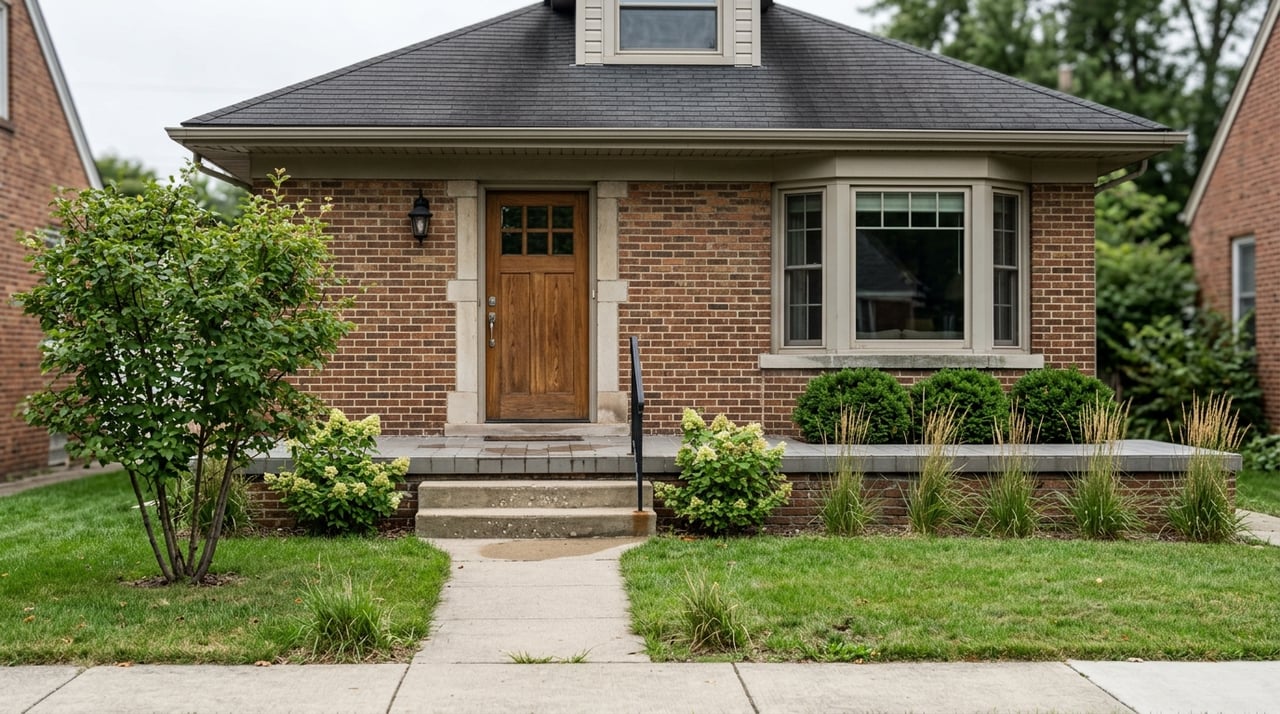
Zoom into specific pockets and the spread gets even wider. Central Orland, one of the city's older established areas, posted a median sale price of $289,500 over the trailing twelve months, up 7 percent from the year before. That's a neighborhood built out decades ago, mostly resale, with little in the way of new ground-up construction.
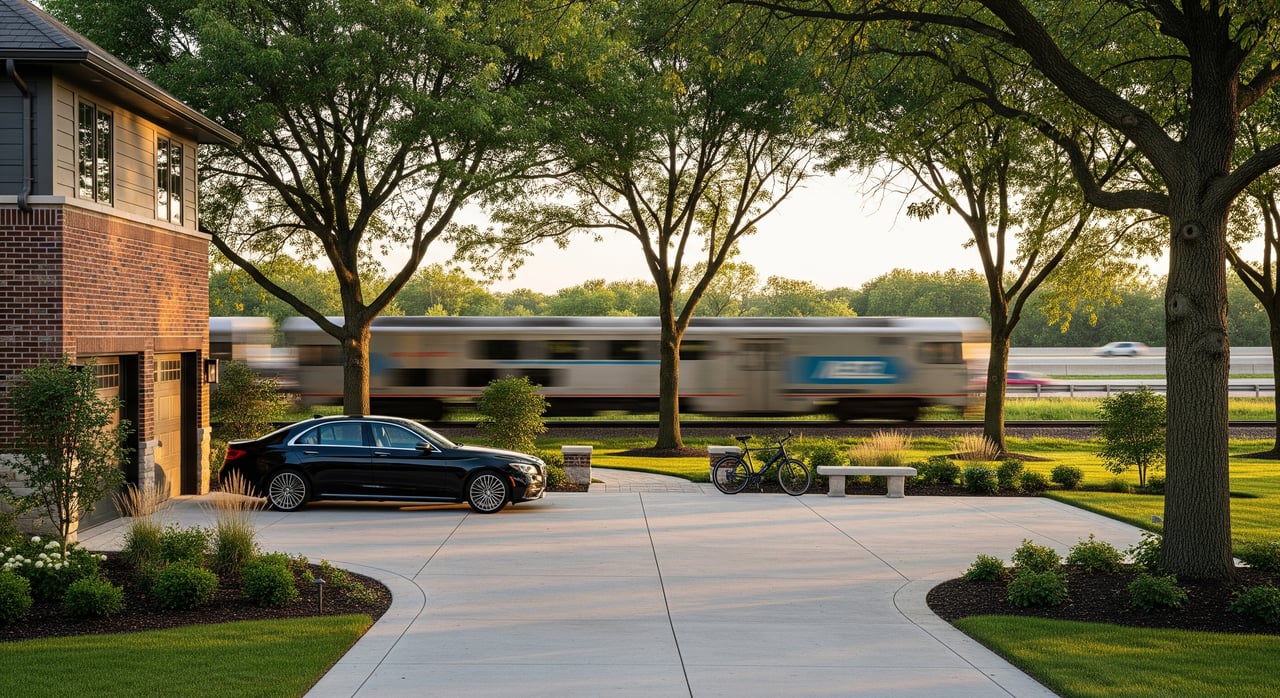
Downtown Orland Park tells a different story. Over the three months ending May 2026, homes there sold for a median of $366,000, up 12.7 percent year over year, with days on market improving from 60 to 52. That corridor mixes condos and townhomes near the Metra line and the new commercial development that's been reshaping the area's dining and retail scene.
Two established, non-luxury pockets of the same city, roughly $75,000 apart on median price, and both still sitting well under the citywide sold median of $385,000 for that same window. Neither number is more "real" than the other. They're just describing different housing stock.
The Handful of Listings Pulling the Average Up
Orland Park is largely built out. At any given time, the city typically has fewer than ten true new-construction listings on the market. That scarcity matters, because the few new builds that do exist tend to sit at the top of the price range, and a small number of expensive listings can move a citywide average more than their volume would suggest.
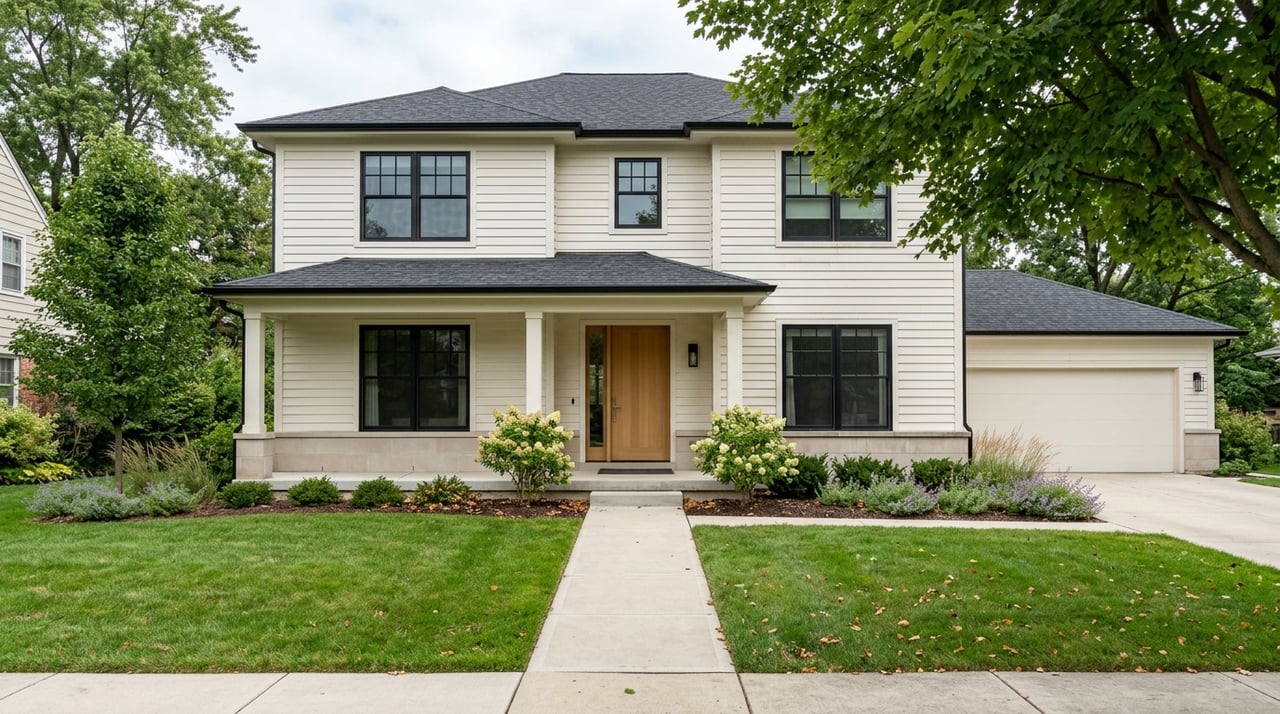
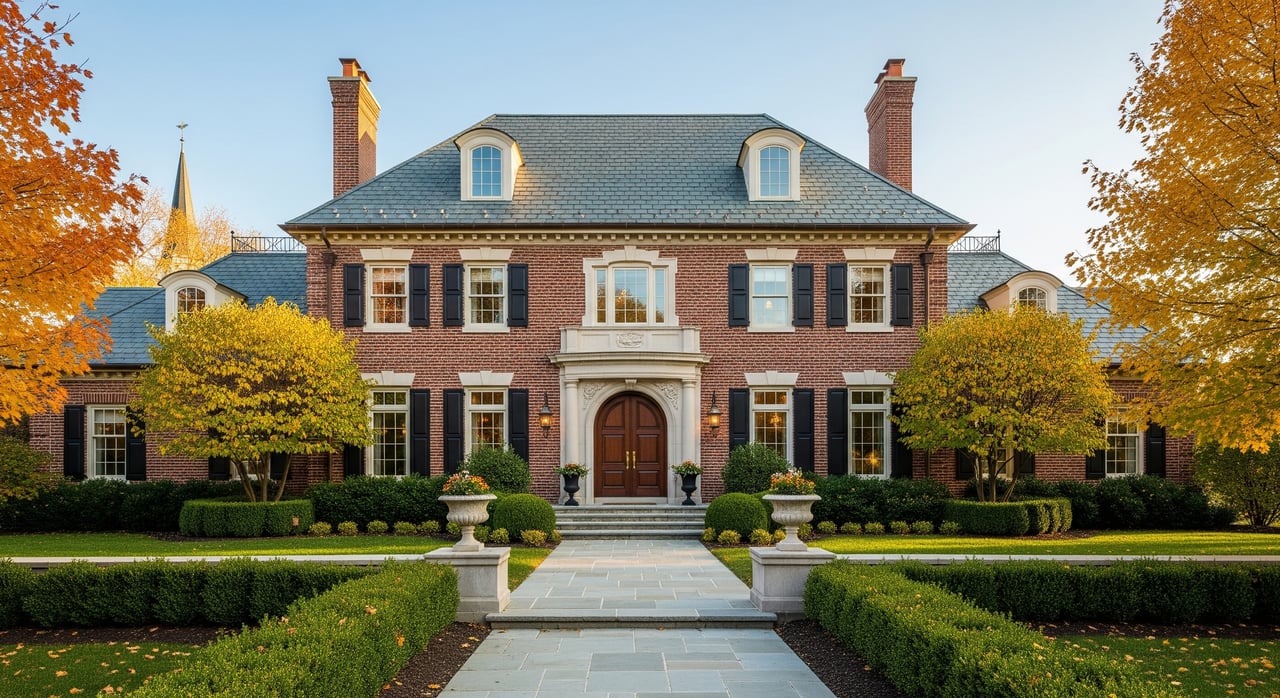
Waterford Pointe Villas, a new subdivision going up at the northeast corner of Wolf Road and 153rd Street, is marketed as maintenance-free luxury ranch townhomes with base prices starting at $699,000. Countryview Estates is seeing new construction from Mary Court Homes, with recent listings running four bedrooms, 3.1 baths, and three-car garages. Alpine Heights has custom new builds in a similar range, four and five bedroom homes with the kind of finish level that doesn't show up in an older resale.
None of these communities represent more than a few active listings at once. But list a $699,000 townhome next to a few hundred resale listings clustered in the $300,000s and $400,000s, and the math shifts. It helps explain a gap worth sitting with: the citywide sold median for the three months ending May 2026 was $385,000, while the citywide listed median in September 2026 climbed to $435,000. Some of that gap is four months of appreciation. Some of it is asking prices simply running ahead of what's actually closing, especially with new construction priced well above the resale base setting the tone on the list side.
The Middle That Doesn't Make Headlines
Between the older resale pockets and the rare new-construction sliver sits the part of Orland Park where most transactions actually happen, and it rarely gets its own headline.
Crystal Tree, a gated community built around a golf course, carries more active listings than any other single subdivision in the city and anchors the upper end of the resale market with a mix of townhouses and single-family homes. Catalina and Brook Hills see steady turnover as well. Below that tier, subdivisions like Eagle Ridge, Orlan Brook, and Golfview make up a wide middle band of housing stock, giving buyers a full range of options without leaving the same general school boundaries.
Here's a rough snapshot of how those pockets compare on recent price signals:
| Pocket or Segment | Housing Type | Recent Price Signal |
|---|---|---|
| Central Orland | Older single-family, mostly resale | $289,500 median sale, trailing 12 months, up 7% |
| Downtown Orland Park | Condo and townhome corridor | $366K median sale, 3 months ending May 2026, up 12.7% YoY |
| Citywide, sold | Mixed property types | $385K median sale, 3 months ending May 2026, up 5.8% YoY |
| Citywide, listed | Mixed property types | $435K median list price, September 2026 |
| Waterford Pointe Villas | New construction ranch townhomes | Base prices from $699,000 |
What This Means If You're Comparing Orland Park to Somewhere Else
If a listing sheet, a portal, or a friend tells you "Orland Park homes go for around $400K," the honest response is to ask which months and which property type that figure covers. A $420,000 budget lands somewhere very different depending on whether you're shopping Central Orland's older resale stock, the Downtown condo corridor, or one of the mid-range subdivisions like Eagle Ridge or Orlan Brook. None of those searches will get anywhere near Waterford Pointe Villas, and that's fine. The point isn't that one pocket is better. It's that the citywide median was never describing any single one of them.
The same caution applies to market-temperature claims. A report calling Orland Park "somewhat competitive" and a calculation showing thirteen months of single-family supply can both be true at once, for different reasons, in different months, for different kinds of homes. Before treating either as the final word on the whole city, it's worth asking what slice of the market that particular number is actually built from.
A Few Quick Questions
Is Orland Park a buyer's market or a seller's market right now? It depends on the property type and the month. Single-family inventory looked buyer-favorable in early 2026 based on absorption-rate math, while the broader, all-property-type read for the spring months came in as competitive with fast sales and multiple offers. Ask which segment a given report is describing before applying it to your own search.
Where can I still find new construction in Orland Park? Options are limited because the city is largely built out. Waterford Pointe Villas at Wolf Road and 153rd Street, Countryview Estates, and Alpine Heights represent the current pockets of new-build activity, and all of them sit toward the top of the price range.
Why is there such a gap between Central Orland and Downtown Orland Park prices? The two areas have different housing stock. Central Orland is largely older single-family resale, while Downtown Orland Park is a condo and townhome corridor near the Metra and the newer commercial development. Different property types in different parts of the same city rarely price the same way.
If you're trying to figure out which Orland Park pocket actually fits your budget before you start touring, Tim Good Group can walk you through the subdivision-level numbers rather than the citywide roll-up.